At COP31, push for a more equal climate bargain
Source Entity
Kamil Saiyed
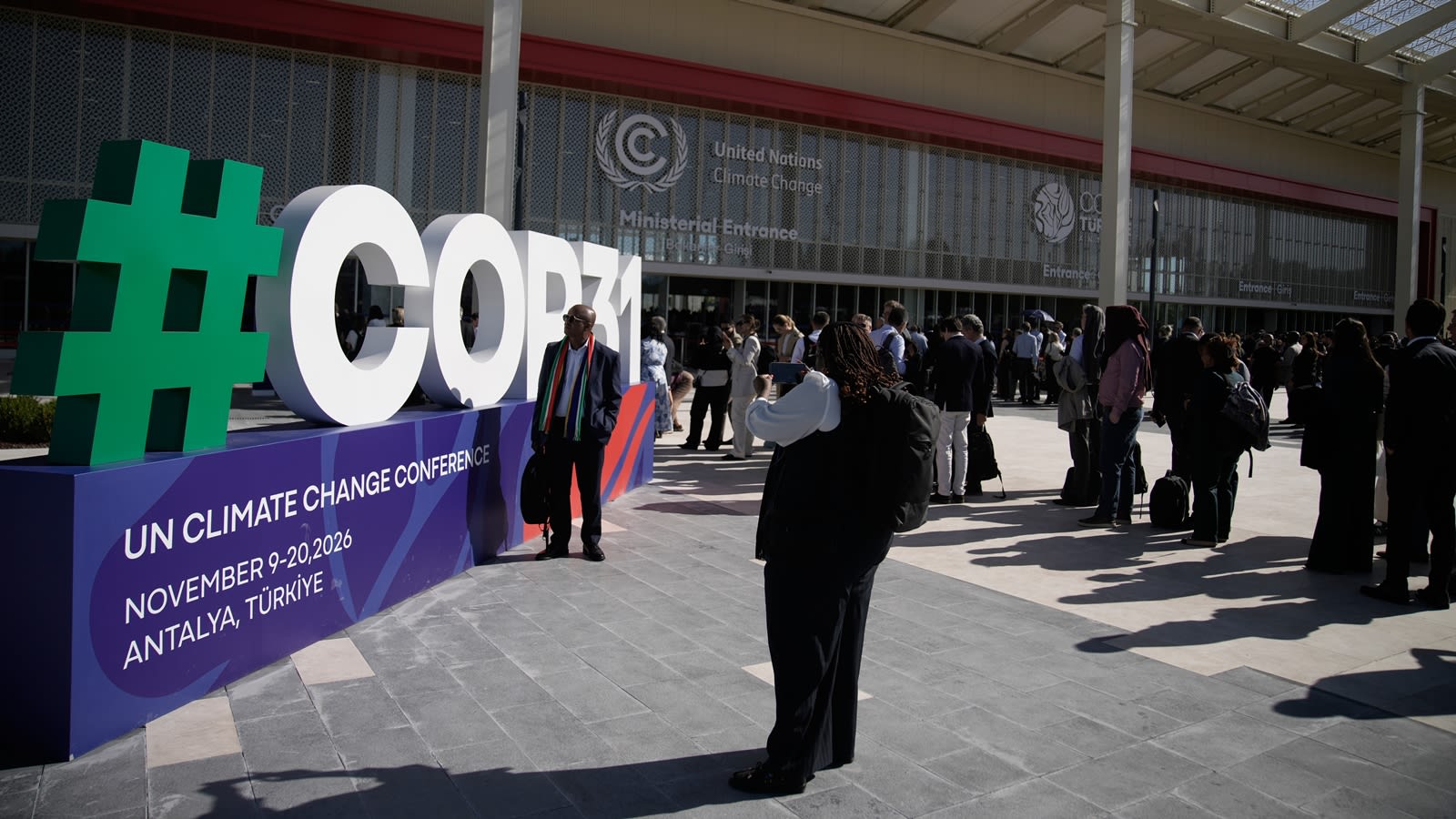
COP31 serves as a critical implementation summit where India is pushing for a minimum annual grant-based climate finance commitment from developed nations. The goal is to reach $300 billion annually by 2035, though political and fiscal hurdles in Western economies threaten these targets.
The Imperative of Climate Equity at COP31
As the international community convenes for COP31, the focus has shifted from setting ambitious long-term targets to the pragmatics of implementation. For India, this summit represents a pivotal moment to leverage its diplomatic capital to demand a more equitable climate bargain. The central contention rests on the necessity of grant-based finance, which remains the most critical tool for developing nations to manage the transition to sustainable energy without compromising their economic growth trajectories.
Building on the COP29 Momentum
The foundation for current discussions was laid at COP29, where a global goal was established to secure at least $300 billion in annual climate finance by 2035. This target is intended to be an evolution of the previous $100 billion goal. While the $100 billion benchmark was largely met through a mixture of bilateral channels, multilateral development banks like the World Bank, and dedicated climate funds such as the Green Climate Fund, the scale of the new target requires a significantly more robust mechanism for capital mobilization.
The Role of Private and Public Synergy
Historically, public climate finance has acted as a catalyst to unlock private investment. The transition from $100 billion to $300 billion cannot be achieved through public coffers alone; it necessitates a coordinated strategy to de-risk investments in the Global South. By leveraging multilateral institutions, developed nations can create environments where private capital feels secure enough to enter renewable energy and climate-resilient infrastructure projects in developing markets.
Confronting Geopolitical and Fiscal Realities
Despite the clear urgency, the path to achieving these financial goals is fraught with difficulty. The expansion of these financial flows is currently being hindered by significant political headwinds within the United States, where domestic priorities often clash with international climate commitments. Simultaneously, European nations are grappling with acute fiscal constraints, limiting their ability to contribute to international climate funds as aggressively as they might have in previous cycles.
India’s Strategic Negotiating Position
India occupies a unique position in this negotiation, acting as a bridge between the aspirations of developing nations and the technical capabilities of the developed world. By advocating for a minimum annual amount of grant finance, India is pushing for a structure that prioritizes direct aid over debt-creating loans. This distinction is vital for maintaining the economic sovereignty of developing nations as they invest heavily in climate adaptation and mitigation strategies.
Future Trends and Conclusion
Looking ahead, the success of COP31 will be measured by the transparency and reliability of these financial commitments. If developed nations fail to provide a clear roadmap for the $300 billion goal, the trust deficit between the Global North and South will likely widen, potentially stalling global climate action. Ultimately, the climate bargain is not merely about environmental protection; it is a fundamental restructuring of global economic cooperation that requires sustained political will and fiscal innovation.