India hits back at Norway FM’s Kashmir remarks during Pakistan visit
Source Entity
Latest News: Todays Latest News Headlines from India & World | Hindustan Times | Hindustan Times
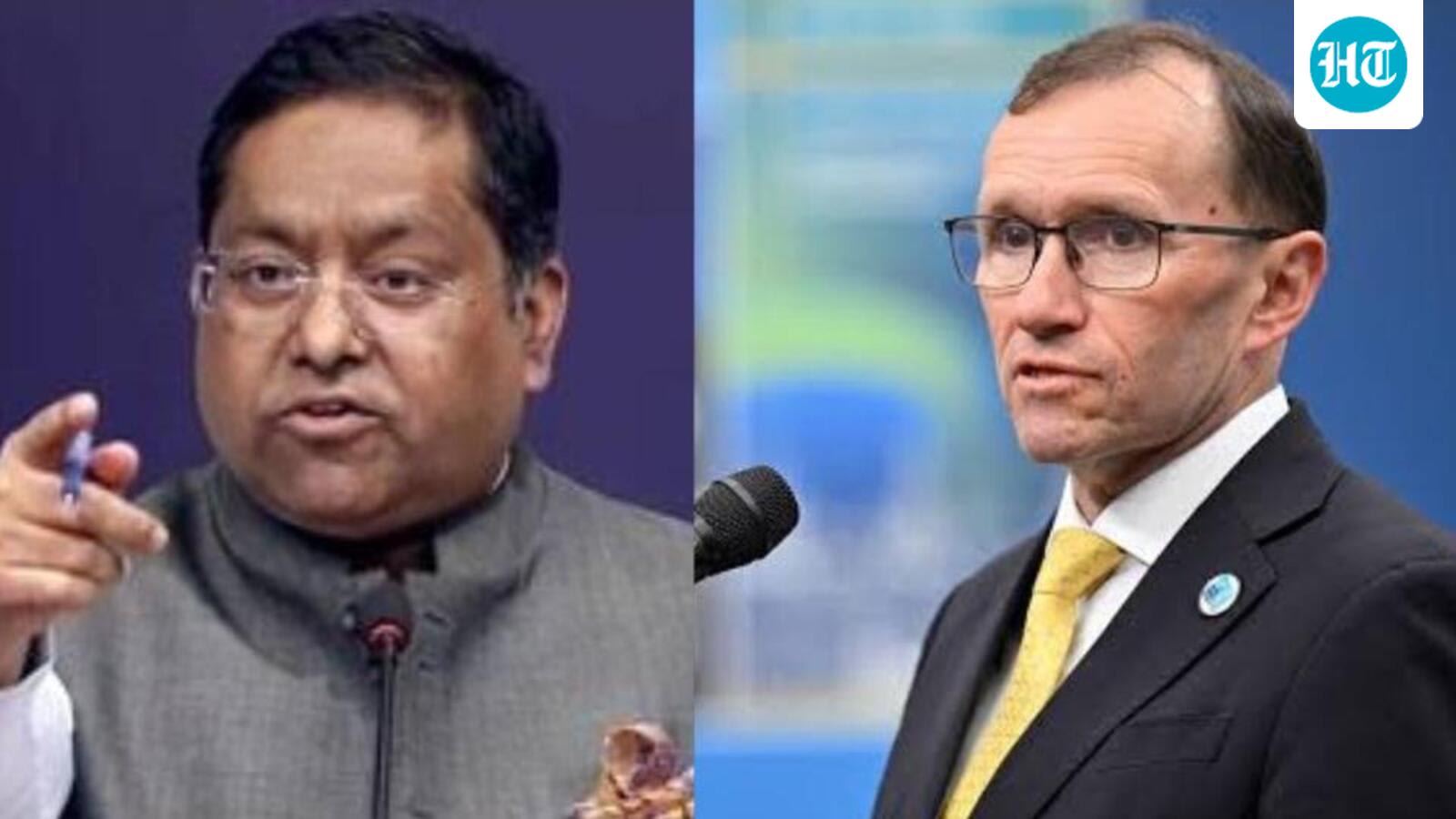
India has formally rejected remarks made by Norway’s Foreign Minister regarding Kashmir during his visit to Pakistan. New Delhi emphasized that Jammu, Kashmir, and Ladakh are integral Indian territories and urged the international community to address Pakistan's role in cross-border terrorism.
Diplomatic Friction: India Rejects Norway’s Stance on Kashmir
India has issued a sharp rebuttal to Norwegian Foreign Minister Espen Barth Eide following his comments on the Kashmir issue during a recent diplomatic visit to Islamabad. The Indian government reaffirmed its long-standing position that the Union Territories of Jammu and Kashmir, along with Ladakh, remain integral and inalienable parts of India. This diplomatic pushback underscores the sensitivity with which New Delhi views international commentary on its internal territorial integrity.
The Context of the Norwegian Visit
Foreign Minister Eide’s visit to Pakistan marked the first such high-level engagement from Norway in over a decade. During a joint press conference with Pakistani Foreign Minister Ishaq Dar, Eide touched upon regional security concerns, explicitly mentioning Jammu and Kashmir. For India, the inclusion of Kashmir in these discussions—framed as a 'long-standing unresolved dispute' by the Pakistani side—is viewed as an unwelcome externalization of a domestic matter that the Indian government insists is not subject to third-party mediation.
Addressing the Cross-Border Terrorism Narrative
Beyond asserting territorial sovereignty, India’s response highlighted a critical shift in its diplomatic posture: the demand for the international community to focus on Pakistan-occupied Kashmir (PoK). India explicitly linked the region to the systematic support of cross-border terrorism. By shifting the focus to the activities occurring within illegally occupied territories, New Delhi aims to reframe the international narrative from one of a 'territorial dispute' to one of regional security and state-sponsored extremism.
Strategic Implications for Regional Diplomacy
This incident highlights the ongoing challenge India faces in managing its diplomatic relationships with European nations that attempt to maintain a 'balanced' approach to South Asian regional conflicts. Norway, often seen as a neutral broker in international disputes, risks alienating New Delhi by engaging with narratives that India considers inflammatory. The tension illustrates the difficulty foreign diplomats face when navigating the complex geopolitical landscape of South Asia, where historical grievances and modern security concerns frequently collide.
Future Trends in Indo-Nordic Relations
Looking ahead, this exchange suggests that India will continue to adopt a proactive, assertive stance in responding to any international remarks that threaten its territorial claims. New Delhi is unlikely to tolerate attempts to internationalize the Kashmir issue, regardless of the source. As India continues to integrate its domestic policies in the region, the diplomatic friction observed with Norway serves as a template for how India will engage with international partners who fail to recognize its core concerns regarding sovereignty and regional stability.
Conclusion
In summary, the rejection of Minister Eide’s remarks marks a firm reaffirmation of India’s stance. By prioritizing the discourse on cross-border terrorism and the status of occupied territories, India is signaling to the international community that its patience for external commentary on Jammu, Kashmir, and Ladakh is limited, and that future diplomatic dialogues must align with its established sovereign reality.
Verification Required?