India poised to refine for world as global capacity declines: Union Minister Hardeep Puri
Source Entity
India Latest News: Top National Headlines Today & Breaking News | The Hindu
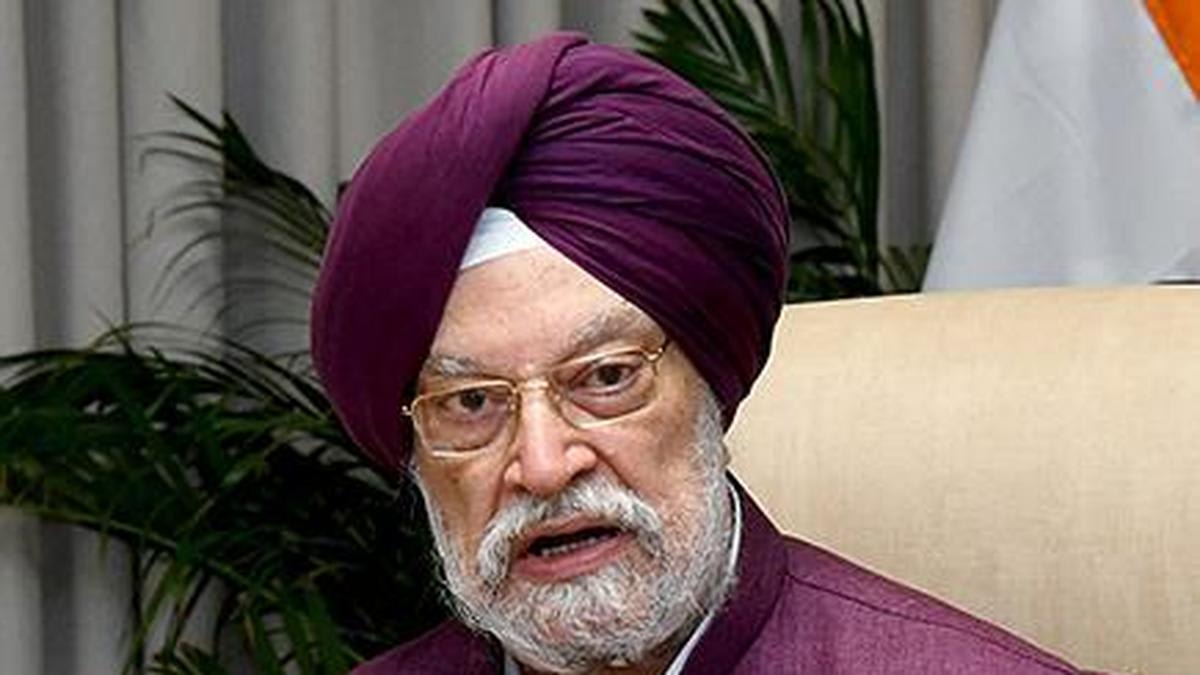
Union Minister Hardeep Singh Puri announced that India aims to expand its refining capacity to 300 million tonnes by 2030. This growth positions India as a critical global energy hub while maintaining its strategic autonomy regarding Russian oil imports.
India's Strategic Ascension as a Global Refining Powerhouse
India is aggressively positioning itself as a cornerstone of global energy security as traditional refining centers in the West undergo contraction. Union Minister for Petroleum and Natural Gas, Hardeep Singh Puri, recently outlined a vision to elevate India’s annual oil processing capacity from the current 290 million tonnes to 300 million tonnes by 2030. This expansion strategy, articulated during the 29th Energy Technology and Innovation Meet in Goa, signals a significant shift in the global energy value chain.
The Shift in Global Refining Dynamics
The global energy landscape is currently witnessing a paradoxical trend: while many Western nations, particularly in Europe, are seeing a decline in refinery capacity due to aging infrastructure and stringent energy transition policies, India is choosing to scale up. By investing in the expansion of existing facilities and initiating new projects, India is not merely preparing to meet its own domestic demand—which is surging alongside its rapid industrial growth—but is also positioning itself to become a net exporter of refined petroleum products to international markets.
Strategic Autonomy and Global Scrutiny
A pivotal component of India's energy strategy remains its pragmatic approach to crude procurement. Minister Puri has consistently emphasized that India remains under no pressure to halt its purchases of Russian crude oil, despite ongoing international scrutiny. This stance underscores a policy of strategic autonomy, where the primary objective is to secure affordable energy for the Indian consumer while maintaining economic stability in a volatile global market.
Scaling Infrastructure for Future Demands
The commitment to reaching a 300 million tonne capacity by 2030 is rooted in long-term infrastructure planning. By leveraging technological advancements in refining, India aims to improve efficiency and yield, ensuring that the country remains competitive even as global market dynamics shift toward cleaner energy sources. This infrastructure push is designed to hedge against supply chain disruptions and solidify India’s role as a reliable energy partner for the global south.
Economic Implications and Future Trends
The broader implications of this capacity expansion are profound. As India becomes a larger processing hub, it gains greater leverage in global energy negotiations. Looking ahead, the trend suggests that India will continue to balance its transition toward renewables with the necessity of maintaining robust fossil fuel refining capabilities to support its manufacturing and transportation sectors. The dual focus on refining expansion and independent sourcing policies suggests a resilient, growth-oriented energy trajectory for the remainder of the decade.
Verification Required?