‘Same old stalling as expected’: India hits back at Pakistan over naval collision response
Source Entity
Latest News: Todays Latest News Headlines from India & World | Hindustan Times | Hindustan Times
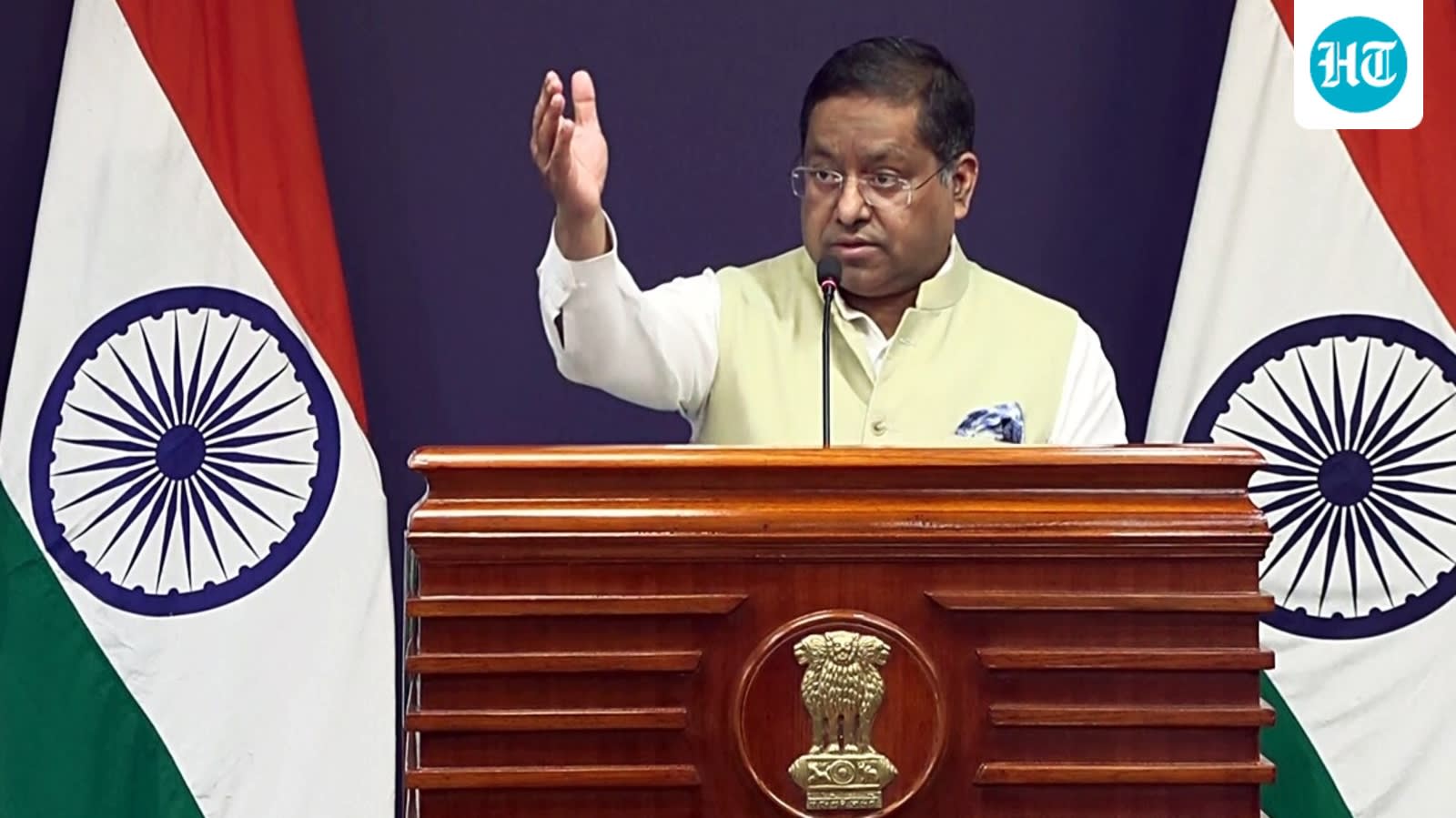
India has rejected Pakistan's response regarding a recent naval collision between INS Kolkata and PNS Hunain in the Arabian Sea. New Delhi accused Islamabad of violating maritime norms and attempting to obscure the truth behind the incident.
Diplomatic Tensions Escalate in the Arabian Sea
Recent maritime interactions in the western Arabian Sea have taken a contentious turn, as India and Pakistan exchange accusations following a collision between the Indian Navy warship INS Kolkata and the Pakistan Navy vessel PNS Hunain. The Indian Ministry of External Affairs (MEA), through spokesperson Randhir Jaiswal, has formally rejected Pakistan’s response to a diplomatic protest lodged by New Delhi. This incident has reignited long-standing regional tensions, with India characterizing the Pakistani response as a predictable instance of "stalling" rather than a genuine attempt at conflict resolution.
The Core Dispute and Alleged Violations
At the heart of the dispute is the claim by India that the PNS Hunain violated both international maritime regulations and a specific 1991 bilateral agreement between the two nations. New Delhi maintains that the INS Kolkata was conducting a routine deployment when the collision occurred, suggesting that the Pakistani vessel’s maneuvers were non-compliant with standard safety protocols. By categorically rejecting the counter-allegations leveled by Islamabad, India is positioning itself as the party upholding established maritime conduct while accusing Pakistan of attempting to "hide the truth" regarding the sequence of events.
Historical Context of Naval Interactions
Maritime incidents between India and Pakistan are historically sensitive, often occurring against a backdrop of broader geopolitical friction. The reliance on the 1991 bilateral agreement as a touchstone for this argument highlights how both nations attempt to utilize existing frameworks to govern their naval activities in the Arabian Sea. However, the current breakdown in communication suggests that these mechanisms are increasingly strained, as both sides utilize diplomatic channels not just for communication, but as forums for public narrative control.
Implications for Regional Stability
This incident carries significant implications for regional security. The Arabian Sea serves as a vital artery for global maritime trade and energy transit; therefore, any increase in naval friction between two nuclear-armed neighbors invites international scrutiny. The "stalling" tactics described by the MEA indicate a lack of willingness from both parties to engage in a transparent, independent investigation, which could have otherwise de-escalated the situation. Instead, the discourse remains firmly rooted in accusations and defensive posturing.
Future Trends and Diplomatic Outlook
Looking forward, it is likely that this event will lead to a hardening of positions in future maritime interactions. As India continues to assert its presence in the Indian Ocean region through routine deployments, the likelihood of "close-proximity" encounters with Pakistani vessels remains high. Without a renewed commitment to direct military-to-military communication or a neutral mediation framework, such collisions will likely continue to be framed as political tools rather than operational accidents. The current stalemate underscores the fragile nature of Indo-Pakistani maritime relations, where even routine deployments carry the risk of precipitating a deeper diplomatic crisis.
Verification Required?