'Cops could plant evidence': CJP alleges 'phone cloning' in press brief - top quotes
Source Entity
RAJEEV SINGH
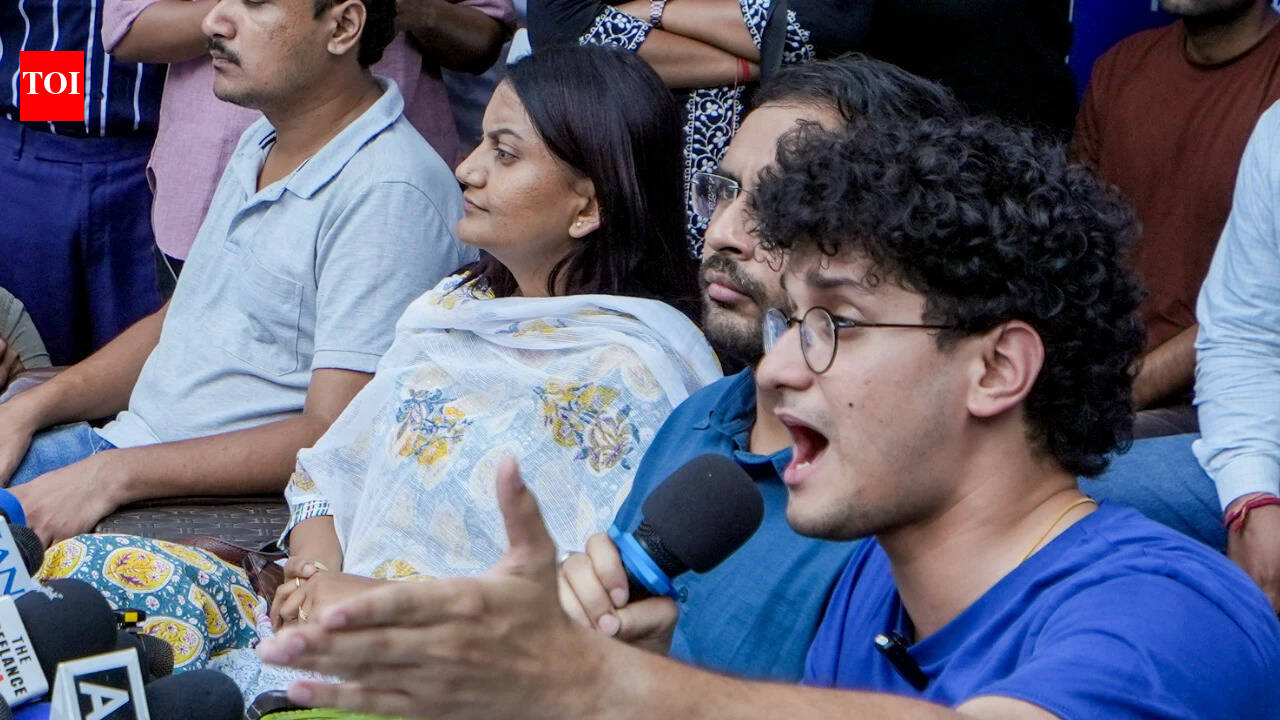
India has rejected UN human rights concerns regarding the detention of protesters in New Delhi, labeling the criticism as unwarranted interference. The government maintains that its constitutional framework and independent institutions effectively protect the right to peaceful assembly.
Diplomatic Tensions Rise Over Delhi Protests
The recent standoff between the Indian government and the Office of the United Nations High Commissioner for Human Rights (OHCHR) marks a significant moment in the discourse surrounding democratic rights and national sovereignty. The controversy stems from a protest organized by the Cockroach Janta Party (CJP) at Jantar Mantar, where demonstrators voiced grievances against Chief Election Commissioner (CEC) Gyanesh Kumar, specifically citing alleged irregularities in electoral rolls.
The OHCHR Stance and Government Rebuttal
Following reports of mass detentions by security forces, the OHCHR issued a statement on October 10, 2026, expressing concern over the handling of the protesters. The UN body invoked the principles of necessity and proportionality, urging the immediate and unconditional release of those it deemed to have been detained arbitrarily. In response, the Permanent Mission of India to the UN in Geneva issued a sharp rebuttal on social media, characterizing the UN's remarks as "misplaced" and an "unwarranted interference" in India's internal affairs.
Constitutional Guarantees vs. Public Order
At the heart of this dispute is the interpretation of the right to peaceful assembly. The Indian government maintains that this right is fundamentally guaranteed by the Indian Constitution. However, it emphasizes that this right is not absolute and is subject to "reasonable restrictions" explicitly designed to maintain public order. By highlighting the role of India's independent judiciary and free media, the government is asserting that it possesses the necessary internal mechanisms to address grievances without external oversight.
Institutional Integrity and Sovereignty
India’s response underscores a long-standing position regarding international scrutiny: that as the world's largest democracy, it has robust institutional frameworks to safeguard its citizens' rights. The government’s rejection of the OHCHR’s input serves as a firm assertion of its sovereign authority to manage domestic protests and maintain civil order. This incident highlights the ongoing tension between international human rights advocacy and the principle of non-interference in the internal affairs of a sovereign state.
Future Implications for Civil Discourse
As the CJP continues to call for further protests at Jantar Mantar, the situation remains fluid. The lack of information regarding the whereabouts of certain detained leaders has only intensified the domestic debate. This development suggests that the friction between activists demanding electoral transparency and the state's mandate to preserve public order will continue to be a focal point of Indian political discourse in the coming days, with international observers likely to maintain a watchful eye on how these domestic legal processes unfold.
Multiple Citing Sources