Exclusive: Kainchi Dham may cap number of people who can visit each day
Source Entity
Vidheesha Kuntamalla
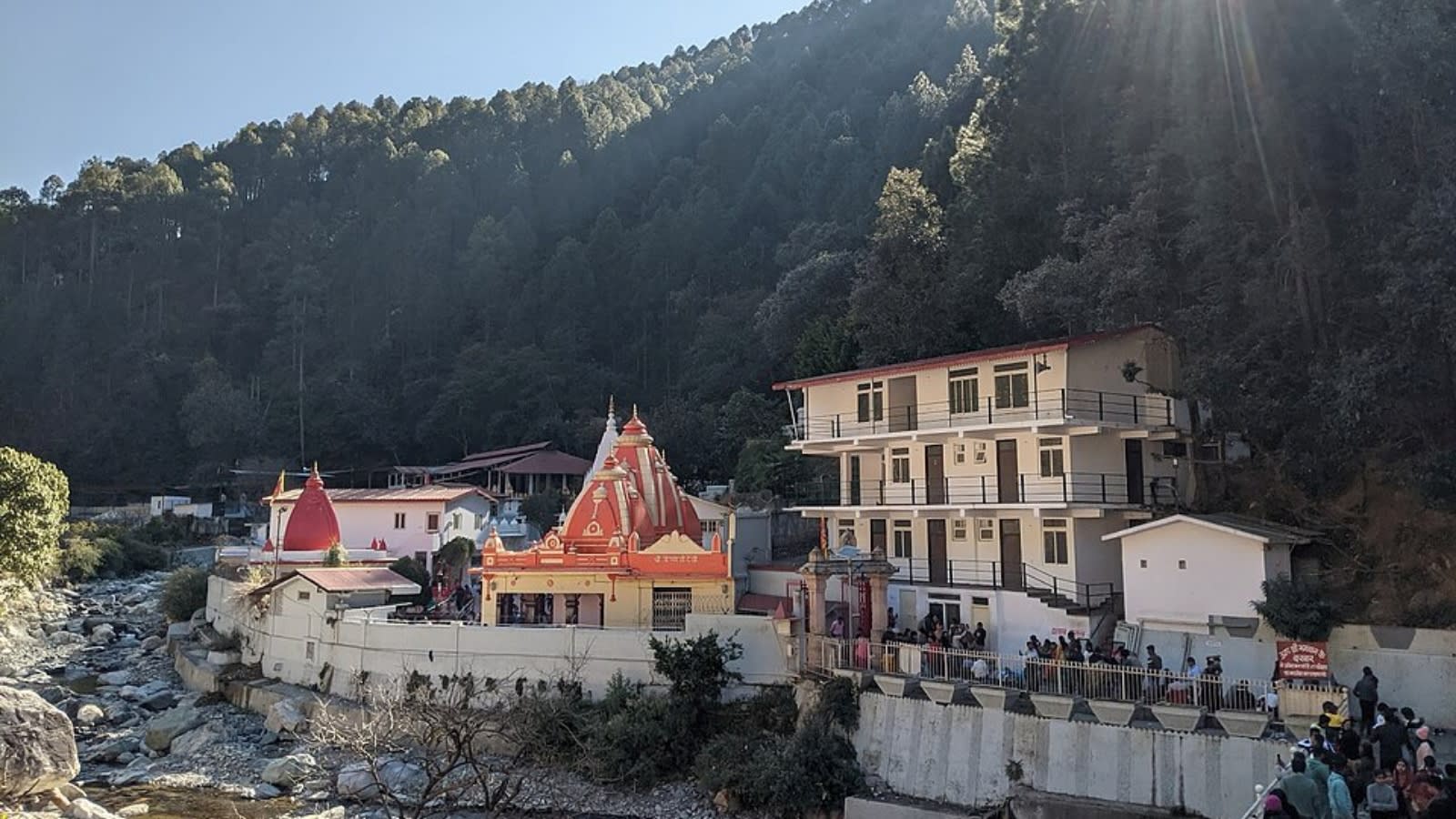
The Nainital district administration is considering a daily cap of 20,000-25,000 pilgrims at Kainchi Dham. This proposed registration system aims to manage overcrowding and traffic congestion, mirroring the successful model used for the Char Dham pilgrimage.
Addressing Overcrowding at Kainchi Dham
The Nainital district administration is currently evaluating a significant shift in how it manages the influx of devotees at the revered Kainchi Dham shrine. As the site continues to experience surging popularity, local authorities have proposed implementing a daily cap of 20,000 to 25,000 pilgrims. This regulatory measure is designed to address the logistical challenges posed by massive crowds, which have increasingly strained local infrastructure and resulted in severe traffic congestion in the Kumaon region.
The Proposed Registration Mechanism
The core of this initiative involves a mandatory registration system, which would function similarly to the mechanism currently in place for the Char Dham pilgrimage. Under this proposed framework, an official digital portal would track visitor numbers in real-time. Once the predetermined threshold of 20,000 to 25,000 registrations is met for a specific day, the portal would effectively lock, preventing further entries. This ensures that the administration maintains a predictable flow of visitors, allowing for better crowd control and resource allocation.
Historical and Regional Context
Kainchi Dham has evolved from a local spiritual landmark into a major pilgrimage hub, necessitating a transition toward more formal crowd management strategies. By adopting the Char Dham model—which has been refined to handle high volumes of pilgrims across rugged Himalayan terrain—the administration is signaling a shift toward proactive infrastructure planning. This transition is essential for maintaining both the sanctity of the shrine and the safety of the pilgrims who travel through narrow, mountainous routes that are particularly vulnerable to bottlenecks.
Broader Implications for Pilgrimage Tourism
The proposal highlights a broader trend in Indian religious tourism, where authorities are increasingly prioritizing safety and sustainability over unrestricted access. As popular spiritual destinations face unprecedented visitor numbers, the use of digital monitoring tools has become a standard necessity. By limiting daily footfall, the administration hopes to mitigate the environmental impact on the Kumaon region while simultaneously reducing the risk of accidents or health emergencies caused by overcrowding.
Future Trends and Sustainability
Looking ahead, the success of this pilot program at Kainchi Dham could influence the management of other high-traffic shrines across Uttarakhand. If effective, the implementation of a registration-based cap could serve as a template for balancing religious tourism with public safety. The administration’s focus on regulating the flow of devotees suggests a long-term commitment to improving the pilgrim experience through data-driven planning and infrastructure modernization, ultimately ensuring that these cultural sites remain accessible without compromising public order.