India's record renewable generation in July cuts coal's share in power mix to 1-year low
Source Entity
India Latest News: Top National Headlines Today & Breaking News | The Hindu
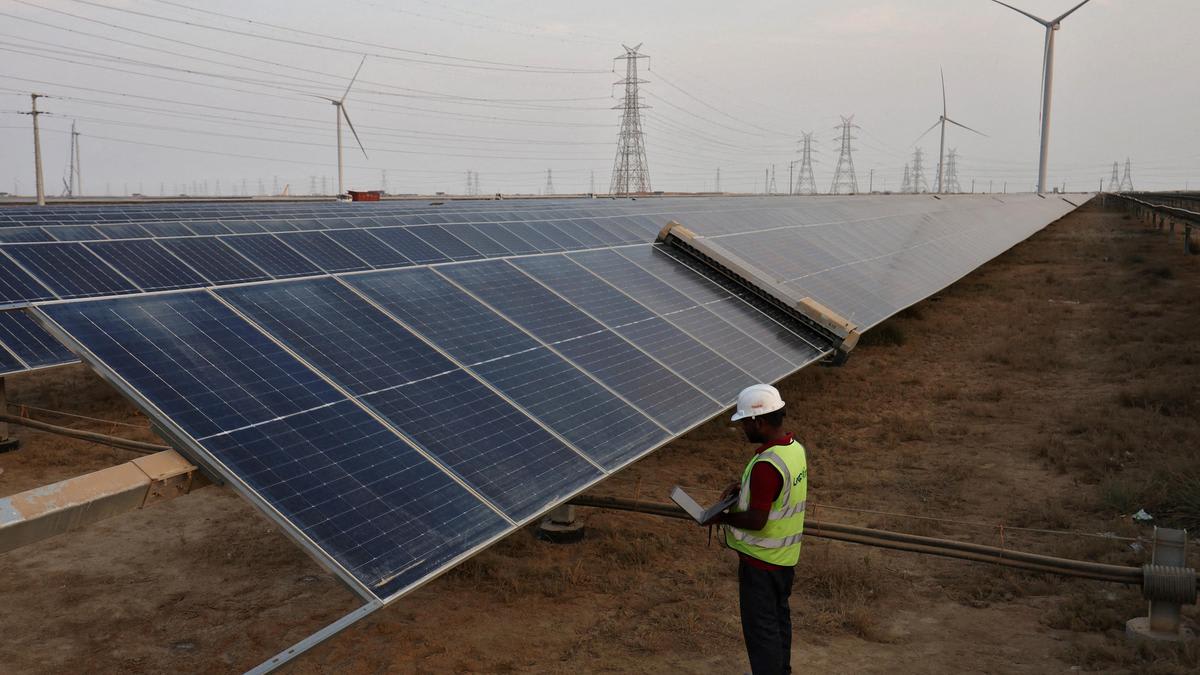
India achieved a record-breaking surge in renewable energy production this July, causing coal's share of the power mix to drop to a one-year low. Solar and wind output surpassed 100 gigawatts, significantly bolstering the nation's clean-energy transition.
India's Renewable Energy Milestone: A Shift in the Power Landscape
India has reached a significant turning point in its energy transition, as government data from July reveals that renewable energy generation has hit record levels. This surge in clean energy, driven by solar and wind, has effectively pushed coal's contribution to the national power mix to its lowest point in over a year. By diversifying its energy sources, India is signaling a proactive shift toward meeting its ambitious climate goals while managing the complexities of a rapidly growing economy.
The Data Behind the Surge
The scale of this transition is underscored by the impressive growth in generation capacity. Renewable power production reached 36.25 billion kilowatt-hours (kWh) in July, representing a 30% increase compared to the same period last year. Notably, renewable sources now account for 20% of the total power mix. This growth was anchored by solar and wind output exceeding 100 gigawatts for the first time, a benchmark that reflects the successful scaling of infrastructure and investment in green technology.
Coal's Declining Dominance
Historically, India has been heavily reliant on coal to power its vast industrial and residential sectors. However, the data highlights a clear cooling of this dependency. Coal-power generation fell to 65.7% in July, down from 69% in June. This reduction is not merely a statistical anomaly but a direct consequence of the increased reliability and availability of renewable energy during peak daytime hours, when solar energy is most potent and can effectively meet rising demand.
The Role of Solar in Peak Demand
A critical factor in this shift is the alignment of solar energy production with peak power demand. As the country experiences high electricity consumption during daylight hours, solar power has become an essential contributor to grid stability. On July 13, solar and wind sources accounted for a record 42.8% of India's electricity supply, proving that renewables can play a central role in baseload management rather than acting as a peripheral energy source.
Broader Implications and Future Trends
The implications of this shift are profound for India's economic and environmental future. By successfully integrating higher percentages of renewables, India is reducing its vulnerability to volatile coal supply chains and environmental externalities associated with fossil fuels. If this trend continues, it will likely attract further foreign and domestic investment in green infrastructure, potentially accelerating the country's timeline for net-zero objectives.
Conclusion
In summary, the record-breaking performance of India's renewable sector in July serves as a validation of the nation's ongoing energy policies. As solar and wind capacity continues to expand, the reliance on coal will likely face sustained downward pressure. This transition is not only necessary for long-term sustainability but is also demonstrating that clean energy is becoming a reliable, scalable, and cost-effective pillar of India's national power grid.
Verification Required?