Fugitive drug kingpin Virender Singh Basoya extradited from UAE
Source Entity
RAJ SHEKHAR JHA
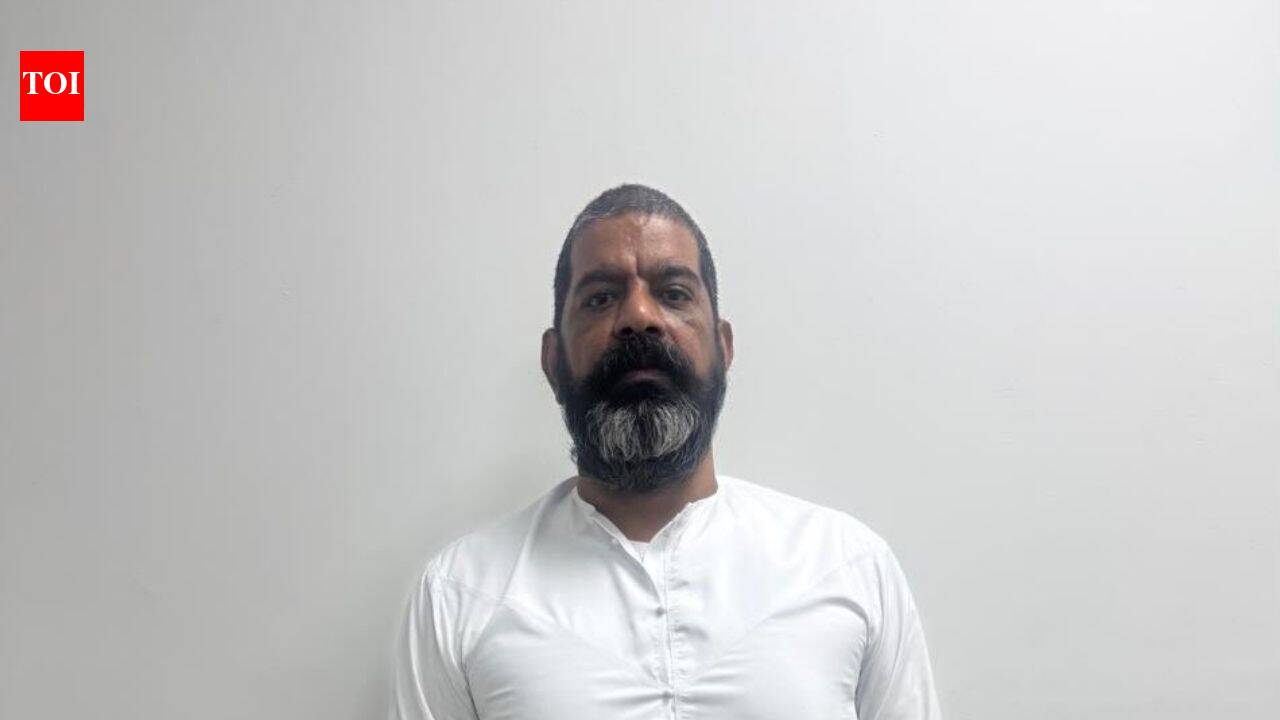
The Indian government has successfully secured the extradition of fugitive drug kingpin Virender Singh Basoya from the UAE. Home Minister Amit Shah hailed the move as a major milestone in India's zero-tolerance policy against narcotics trafficking.
India Secures Extradition of Fugitive Drug Kingpin Virender Singh Basoya
In a significant development for India’s internal security and anti-narcotics operations, the Narcotics Control Bureau (NCB) has successfully secured the return of fugitive drug kingpin Virender Singh Basoya from the United Arab Emirates. This operation marks a major achievement in the government's ongoing campaign against transnational drug syndicates, which have increasingly leveraged international borders to evade Indian jurisdiction.
A Milestone in Zero-Tolerance Policy
Union Home Minister Amit Shah officially announced the apprehension, characterizing the development as a "new milestone" in the Modi government’s "zero-tolerance policy towards narcotics." The extradition underscores a shift in how Indian law enforcement agencies handle high-profile fugitives. By moving beyond traditional investigative methods, the government is focusing on dismantling the entire ecosystem of drug trafficking rather than merely targeting individual street-level dealers.
Strategic Inter-Agency Coordination
According to official statements, the success of this mission is the result of sustained inter-agency coordination and complex international legal maneuvering. The NCB’s ability to track Basoya to the UAE highlights the growing efficacy of India’s diplomatic and legal channels for extradition. This operation reflects a "top-to-bottom and bottom-to-top" investigative approach, designed to expose the hierarchical structure of drug cartels and identify the accomplices who facilitate their operations from abroad.
Dismantling the Cocaine Syndicate
Basoya is accused of masterminding a multi-crore cocaine syndicate, an operation that has had severe implications for public health and safety within India. With his return, investigators are poised to initiate rigorous interrogations to map out the syndicate’s financial networks and distribution channels. The goal is to ensure that the entire infrastructure supporting such criminal activities is dismantled, preventing the resurgence of similar illicit networks.
Implications for Global Fugitives
This extradition sends a strong message to other fugitives hiding in foreign territories: the long arm of the Indian law is becoming increasingly capable of bridging jurisdictional gaps. The collaboration with the UAE authorities serves as a blueprint for future operations, suggesting that India is committed to utilizing international treaties and law enforcement partnerships to maintain domestic security. The focus remains on ensuring that those who orchestrate drug trafficking from the safety of foreign soil are held accountable.
Future Trends in Anti-Narcotics Enforcement
Looking ahead, the successful return of Basoya suggests an intensification of India’s crackdown on organized crime. As the NCB continues to refine its investigative strategies, we can expect more aggressive pursuit of high-value targets across the globe. By prioritizing the destruction of trafficking ecosystems, the Indian government aims to create a significant deterrent, making it increasingly difficult for drug kingpins to operate with impunity, regardless of where they choose to hide.
Multiple Citing Sources