SIM card rules 2026: What changes from Aug 24 & how many connections can you have
Source Entity
YASHASVI VASISTHA
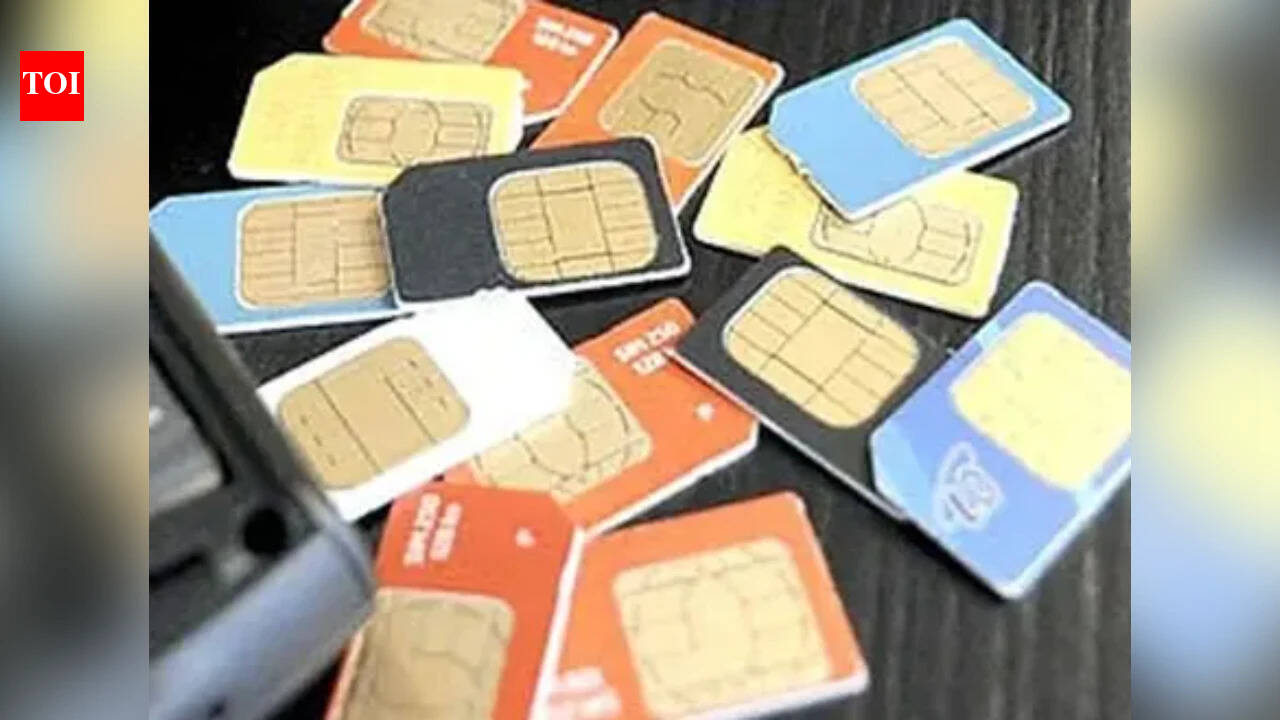
The Indian government is mandating that telecom operators strictly enforce a limit of nine mobile connections per subscriber. New verification protocols using the Digital Intelligence Platform will transition to real-time prevention of excess SIM issuance by November 30, 2024.
Strengthening Telecom Security: The New SIM Verification Mandate
The Shift Toward Stricter Regulatory Oversight
The Indian government has initiated a significant crackdown on the issuance of mobile connections to curb potential misuse and ensure regulatory compliance within the telecommunications sector. By mandating that telecom operators strictly enforce a cap of nine SIM cards per subscriber, authorities are addressing long-standing concerns regarding identity verification and fraud prevention. This directive marks a transition from reactive monitoring to a proactive, real-time prevention model, signaling a robust shift in how the Department of Telecommunications (DoT) manages the national subscriber base.
Mechanics of the New Verification System
Starting August 24, 2024, the process begins with a post-facto verification system designed to audit existing connections against established limits. Telecom operators are now required to utilize subscriber photographs stored within the Digital Intelligence Platform (DIP) to conduct these checks. This integration is critical, as it centralizes identity data, allowing providers to cross-reference new applications against the existing national database to identify individuals who have already reached or exceeded the permitted threshold.
Regional Variations and Compliance Standards
While the national limit for mobile connections is set at nine, the government acknowledges specific regional requirements. In sensitive areas, including Jammu and Kashmir, Assam, and the North-East, the limit is capped at six connections per subscriber. These regional variations reflect the government's tailored approach to security, acknowledging that different geographic zones require distinct regulatory thresholds to maintain public order and national security integrity.
The Path to Real-Time Prevention
A pivotal deadline for this initiative is November 30, 2024, by which time telecom operators must implement full-scale, real-time identification protocols. This evolution from periodic auditing to instantaneous verification is designed to block excess SIM activations at the point of sale. By automating the rejection of applications that would push a user over their limit, the government aims to eliminate the administrative lag that previously allowed for the proliferation of unauthorized or excessive connections.
Broader Implications and Future Trends
The enforcement of these rules represents a broader trend in Indian digital governance: the integration of centralized databases with private-sector service delivery. By leveraging the Digital Intelligence Platform, the government is not only cleaning up the subscriber database but also creating a deterrent against identity theft and telecom-related fraud. As these systems become more sophisticated, it is likely that the government will continue to integrate more AI-driven checks to verify user identity, ensuring that the digital infrastructure remains secure and compliant with national security mandates.
Conclusion
This policy overhaul is a decisive move to standardize telecom operations across all licensed service areas. By setting clear limits and providing the technological framework for real-time enforcement, the government is creating a more transparent and manageable telecommunications ecosystem. For the average subscriber, these changes ensure that the mobile network remains a secure utility, while for telecom providers, it necessitates a swift upgrade in their internal verification infrastructure to meet the upcoming November deadline.
Multiple Citing Sources