IND vs SL Live Score, 2nd Test: India hunt final two wickets with Sri Lanka still 238 behind
Source Entity
Latest News: Todays Latest News Headlines from India & World | Hindustan Times | Hindustan Times
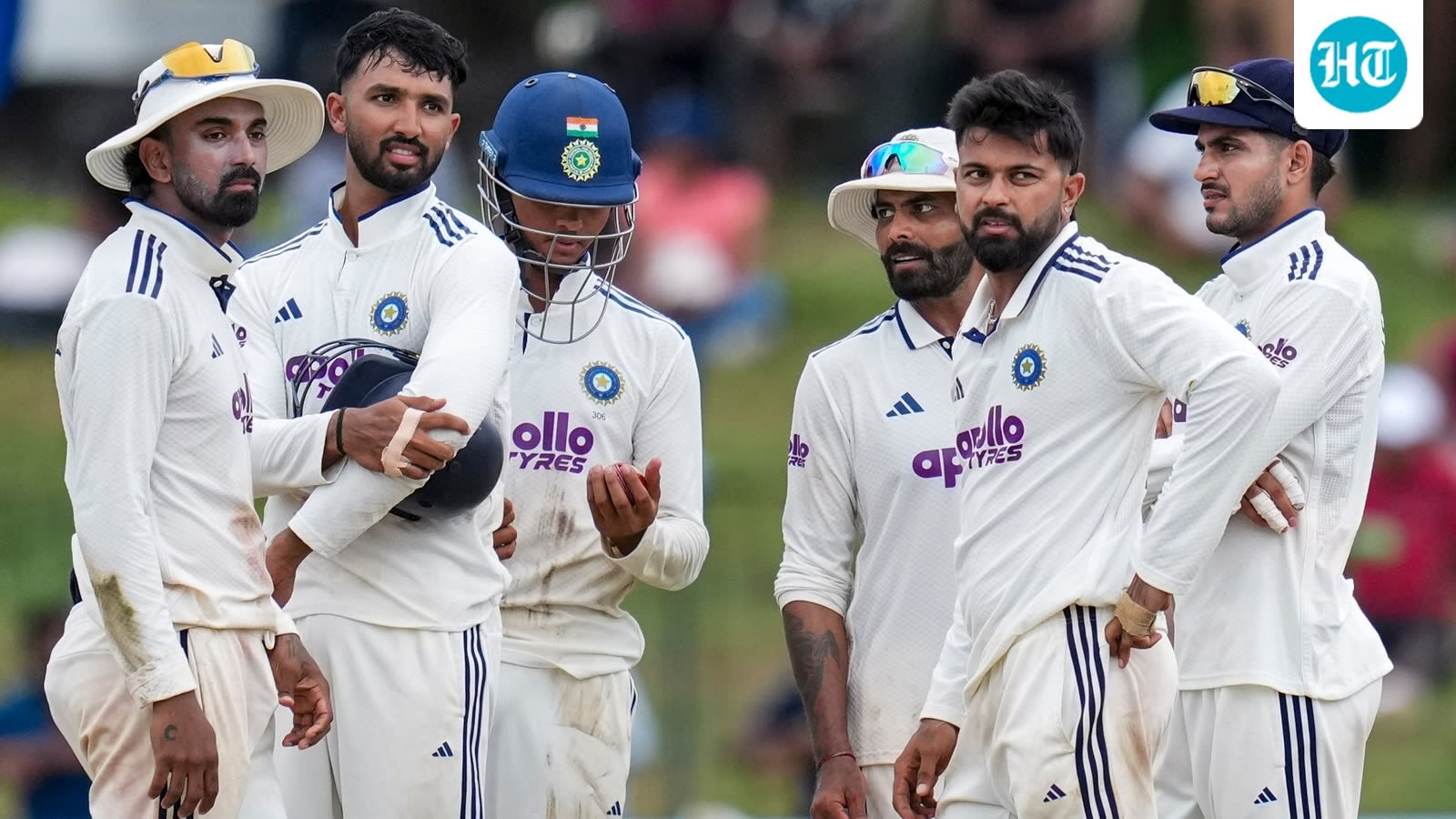
A resilient Sri Lankan lower-order performance, led by Sonal Dinusha's century, forced a draw in the second Test against India in Colombo. The result significantly damages India's prospects for the World Test Championship final. India's inability to secure the final wickets despite a dominant position highlights tactical concerns.
A Stalled Momentum: India’s Colombo Setback
The second Test match between India and Sri Lanka at the Sinhalese Sports Club in Colombo concluded in a stalemate that feels, for the Indian side, akin to a defeat. Despite commanding the majority of the match, India’s inability to dismantle the final Sri Lankan wickets ultimately cost them a victory. This result has immediate and severe ramifications for India’s standing in the World Test Championship (WTC) points table, leaving them with almost no room for error in future fixtures.
The Resilience of Sonal Dinusha
The narrative of the match was undoubtedly defined by the remarkable resistance of the Sri Lankan lower order. Sonal Dinusha emerged as the protagonist for the hosts, delivering an unbeaten 133 that anchored the Sri Lankan innings. Having already established a pattern of consistency against the Indian bowling attack with three consecutive fifties prior to this match, Dinusha’s maiden century underscored his growth as a resilient middle-order anchor capable of frustrating elite international bowling units.
India’s Bowling Challenges
India’s bowling effort was characterized by a mix of individual brilliance and collective stagnation. Prasidh Krishna stood out as the most potent threat, consistently challenging the Lankan batsmen. However, the inability of the rest of the attack—including debutant Saransh Jain and the experienced Ravindra Jadeja—to provide the necessary support to finish off the tail proved costly. The match context confirms that even when India took the second new ball, they struggled to capitalize on the pressure, allowing the hosts to climb out of a dire 8/2 situation.
Tactical Implications and Weather Concerns
Throughout the match, the looming threat of rain played a significant role in India’s decision-making process. The desire to enforce a follow-on was driven by the necessity to mitigate the impact of weather interruptions, which have become a recurring theme in Colombo. When the match eventually drifted toward a draw, questions were raised regarding India’s tactical rigidity. The failure to adapt to the stubborn defensive approach of the Sri Lankan tailenders ultimately allowed the hosts to force a draw rather than capitulate to an innings defeat.
Impact on World Test Championship Hopes
The draw in Colombo acts as a significant dent in India's WTC final qualification campaign. In the high-stakes environment of the World Test Championship, every match point is critical. By failing to secure a win from a position of dominance, India has effectively narrowed their margin for error. The team now faces a challenging road ahead, where they must secure maximum points in subsequent series to remain in contention for a spot in the final.
Conclusion
In summary, the Colombo Test serves as a cautionary tale for the Indian team regarding the dangers of complacency against a lower-ranked but determined opponent. While individual performances like those of Prasidh Krishna were notable, the collective failure to close out the game reflects a need for tactical evolution. As the team looks toward the remainder of the WTC calendar, the lessons from this draw—specifically the need to dismiss tailenders efficiently and maintain intensity under pressure—will be paramount to their ultimate success.
Multiple Citing Sources
Verification Required?