India wants to join the strawberry superpowers
Source Entity
BBC News
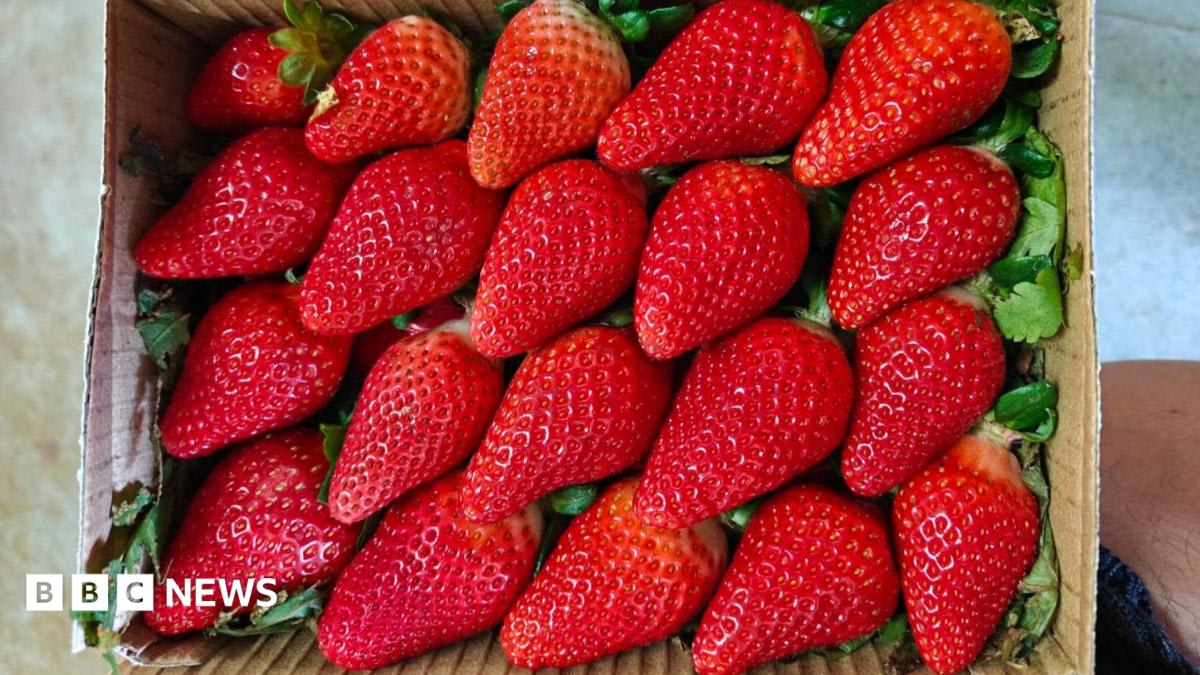
Indian strawberry farmers are shifting from traditional open-field methods to advanced hydroponic technology to combat climate-induced crop failures. This transition aims to reduce reliance on imported varieties and stabilize production during unpredictable weather.
The Evolution of Indian Strawberry Farming
India’s agricultural landscape is currently undergoing a quiet but significant transformation as it attempts to position itself among global strawberry superpowers. Historically, Indian farmers have relied heavily on strawberry varieties imported from the United States and Europe. While these international cultivars provided a starting point for the domestic market, their integration into India’s unique climatic conditions has proven difficult, leading to a persistent dependence on external supply chains and foreign genetic stock.
The Challenge of Climate Volatility
The primary catalyst for this shift is the increasing unpredictability of Indian weather patterns. As noted by Ketan Yashwant Sodha, founder of Berry Fresh Agrotech, the traditional open-field farming model is becoming untenable. For the past decade, unseasonal rains during the critical peak season of November through early January have resulted in catastrophic losses for farmers. In open-field environments, a single rain event during the peak harvest period can decimate an entire crop, illustrating the extreme vulnerability of traditional cultivation to climate change.
Embracing Hydroponic Innovation
To mitigate these risks, well-resourced farms are increasingly investing in sophisticated technology, most notably hydroponics. This method of covered cultivation bypasses the need for soil, allowing farmers to exert precise control over water, nutrients, light, and temperature. By moving production into a controlled environment, farmers like Sodha aim to decouple their yields from the whims of the weather, ensuring consistent quality and volume regardless of external atmospheric conditions.
The Price of Progress
The transition to high-tech farming is not without its hurdles. Sodha’s personal journey highlights the steep learning curve associated with such advanced systems; his initial experiments with hydroponics in 2022 resulted in significant financial setbacks and repeated failures. These early struggles underscore the reality that modernizing Indian agriculture requires more than just capital; it demands deep technical expertise and the patience to adapt international technology to local requirements.
Future Implications and Outlook
As the industry matures, the move toward controlled-environment agriculture represents a broader trend in Indian agribusiness. By reducing dependence on soil quality and weather patterns, India is slowly building the infrastructure necessary to decrease its reliance on imported varieties. If these large-scale investments in technology prove successful and scalable, India could transition from a consumer of foreign strawberry genetic stock to a self-sufficient producer capable of competing on the global stage. This shift signifies a long-term commitment to agricultural resilience and economic independence.