India summons Pak envoy over 'cross-border infiltration', rejects Ferozepur claims
Source Entity
AASTHA JHA
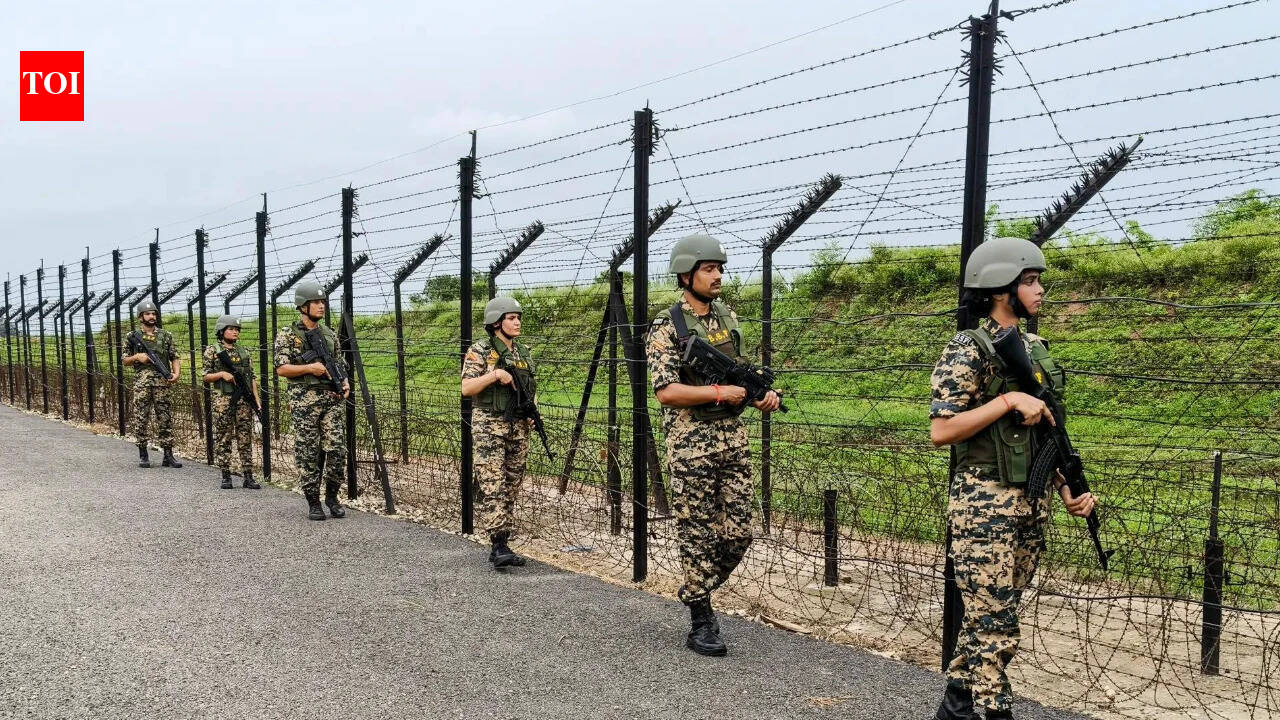
India has summoned the Pakistani Chargé d'Affaires to protest ongoing cross-border infiltration. The MEA formally rejected Pakistan's allegations regarding a recent border incident in the Ferozepur sector as baseless.
Diplomatic Tensions Escalate Over Ferozepur Incident
The recent diplomatic standoff between India and Pakistan, triggered by an incident in the Ferozepur sector of Punjab, highlights the persistent fragility of border security along the International Border (IB). By summoning the Chargé d'Affaires of the Pakistan High Commission, the Indian Ministry of External Affairs (MEA) has signaled a firm stance against what it characterizes as the continued facilitation of illegal cross-border infiltration from Pakistani soil.
The Sequence of Events
According to official reports, the confrontation began when three individuals crossed into Indian territory. Despite explicit warnings issued by the Border Security Force (BSF) demanding their retreat, the individuals continued their advancement toward the border fence. This direct challenge to border protocols necessitated an immediate response from the BSF, and the subsequent diplomatic friction stems from conflicting narratives regarding the nature and intent of these individuals.
Rejecting 'Baseless' Allegations
Following the event, Pakistan leveled accusations against India regarding the handling of the situation. The MEA has categorically rejected these claims, labeling them as "baseless and motivated." By utilizing such strong diplomatic language, New Delhi is attempting to shift the narrative, framing the incident not as a case of Indian aggression, but as a direct result of Pakistan’s failure to prevent unauthorized movement across the border.
Broader Implications for Border Security
This incident is not an isolated event but rather a manifestation of the ongoing security challenges India faces along its western frontier. The Ferozepur sector has historically been a sensitive area, and the BSF’s vigilance in the face of infiltration attempts remains a cornerstone of India’s national security strategy. The summoning of a diplomat is a standard yet serious procedure that underscores the severity with which India views any breach of its territorial integrity.
Future Trends and Diplomatic Outlook
Looking ahead, the incident suggests that tensions between the two nations are unlikely to dissipate in the near term. As long as infiltration remains a point of contention, diplomatic exchanges will continue to be characterized by mutual accusations and formal protests. The reliance on official summons suggests that both nations are currently opting for diplomatic maneuvering rather than direct escalation, yet the potential for localized incidents to impact broader bilateral relations remains a significant concern for regional stability.