India refused to take illegal migrants back as UK didn’t extradite Nirav Modi: Priti Patel
Source Entity
NAOMI CANTON
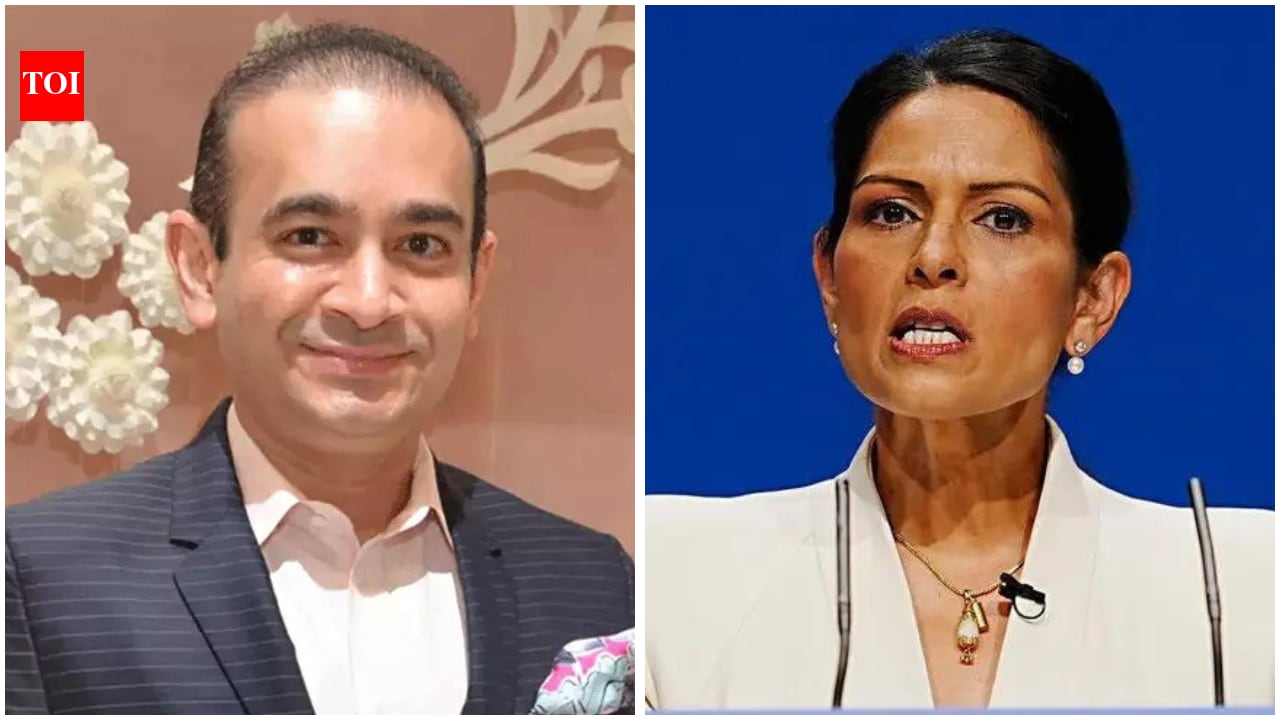
Former UK Home Secretary Priti Patel claims India withheld the return of illegal migrants due to frustration over the delayed extradition of fugitive Nirav Modi. The Indian Ministry of External Affairs has denied these allegations, citing established legal procedures for deportation.
The Diplomatic Standoff Over Extradition and Migration
Recent statements by former UK Home Secretary Priti Patel have brought to light a complex intersection of international migration policy and high-profile criminal extradition cases. Patel alleged that the Indian government previously refused to accept the return of illegal migrants from the UK as a form of diplomatic leverage, specifically linked to the prolonged presence of fugitive jeweler Nirav Modi in London. This claim highlights the delicate nature of bilateral relations, where domestic political pressure often clashes with international legal obligations.
The Nirav Modi Case: A Point of Contention
At the center of this friction is the case of Nirav Modi, the 55-year-old jeweler wanted in India for his alleged involvement in a $2 billion Punjab National Bank loan scam. The case, involving serious charges of fraud and money laundering, has been a significant irritant in India-UK relations for years. Patel’s assertion that India was "hugely angry" over the UK's failure to expedite his extradition underscores the frustration felt in New Delhi regarding the pace of British legal processes, which have allowed the fugitive to remain in London for seven years.
Official Responses and Procedural Reality
In response to these claims, India’s Ministry of External Affairs (MEA) has officially denied that the repatriation of illegal migrants is contingent upon the outcome of extradition proceedings. MEA spokesperson Randhir Jaiswal emphasized that the deportation of any individual is governed by a set of established legal procedures. These protocols require rigorous documentation to verify citizenship before any transfer can occur, distancing the administrative process of migration from the political optics of criminal extradition.
Legal Processes vs. Diplomatic Expectations
The disconnect between Patel's political narrative and the MEA’s procedural stance highlights the challenges inherent in international law. While political figures may perceive extradition delays as a lack of bilateral cooperation, the UK and Indian legal systems operate under strict judicial mandates. The MEA reiterated that legal proceedings against Modi are currently active, and that he will be deported once these judicial steps are fully concluded, reinforcing India’s commitment to bringing him to justice through legitimate channels.
Broader Implications for Future Relations
This episode serves as a case study for the complexities of modern statecraft, where migration management and criminal justice are increasingly intertwined in the public eye. As both nations continue to navigate these issues, the reliance on formal, transparent legal procedures remains the most stable path forward. Moving beyond the rhetoric of "refusal" and "anger," both London and New Delhi must continue to prioritize the integrity of their respective legal systems to prevent domestic political frictions from undermining broader strategic cooperation.