India’s BRICS diplomacy is more than one summit’s result
Source Entity
Tariq Mansoor
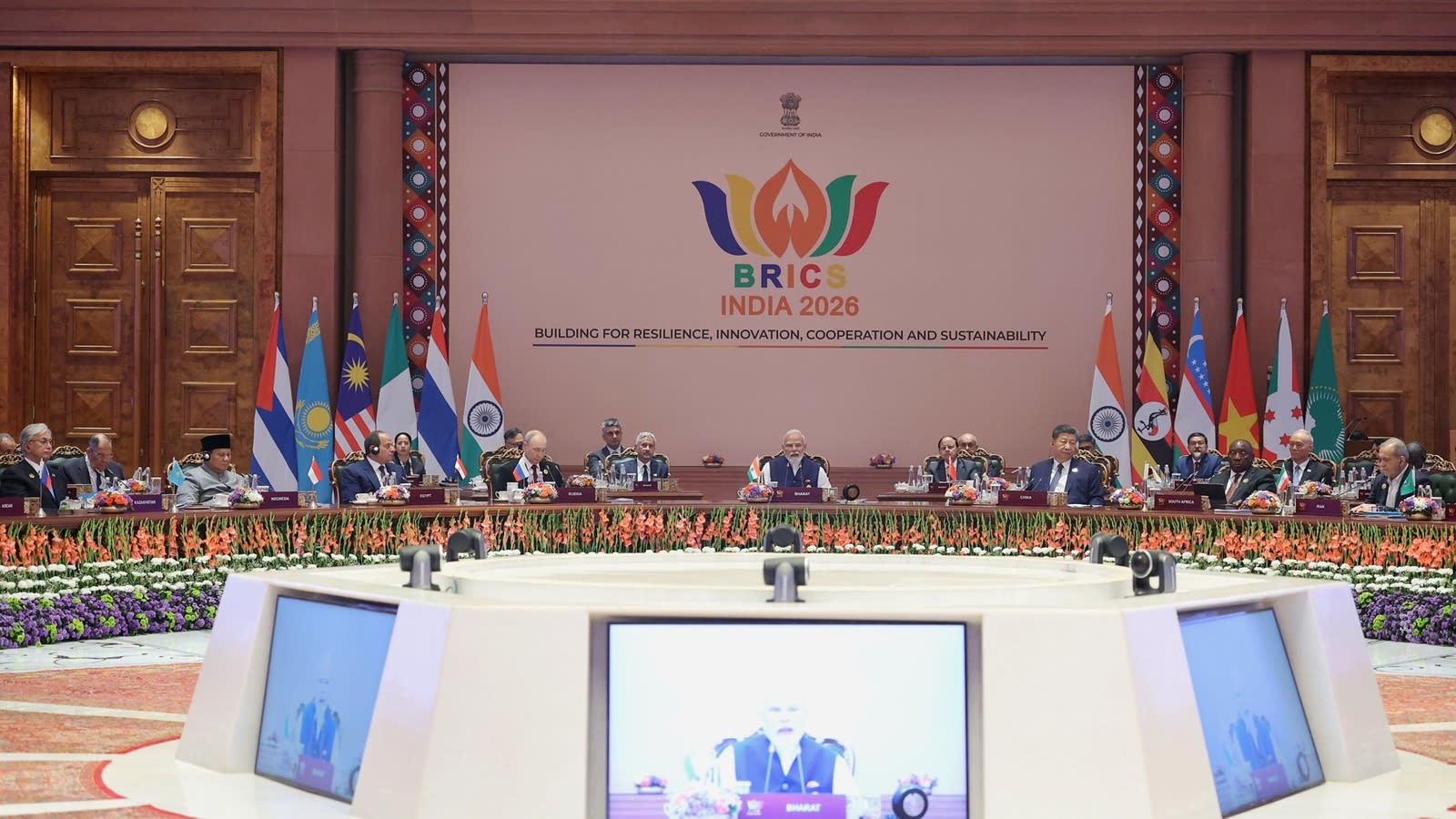
The US Congress has passed the Lindsey O Graham Sanctioning Russia and Iran Act 2026, targeting major Russian energy importers like India. This move is being criticized as 'blackmail' diplomacy, complicating India's strategic autonomy and its broader role in multilateral forums like BRICS.
The Geopolitical Shift: US-India Relations Under the 2026 Sanctions Act
The recent passage of the 'Lindsey O Graham Sanctioning Russia and Iran Act 2026' by the United States Congress marks a significant inflection point in Indo-US relations. By authorizing the US President to impose tariffs of up to 100 percent on goods from the five largest purchasers of Russian energy—China, India, Slovakia, Hungary, and Azerbaijan—Washington has signaled a departure from collaborative engagement toward a more coercive economic policy. This legislative development places India in a precarious position, forcing a delicate balancing act between its burgeoning economic ties with the West and its foundational commitment to sovereign national interest.
The 'Blackmail' Diplomacy Narrative
Critics have characterized this legislative maneuver as 'blackmail' diplomacy. The core of this argument lies in the perceived hypocrisy of the US framework: while European allies have been granted exemptions under the guise of energy transition efforts, the inclusion of India in the sanction net is viewed as a direct attempt to force a change in New Delhi’s principled foreign policy. By leveraging economic pain to alter India's geopolitical alignment, the US is attempting to treat a sovereign partner as a pawn in its broader conflict against Russia, a move that threatens to erode the trust built over decades of strategic dialogue.
BRICS as a Forum for Strategic Autonomy
Amidst this external pressure, India’s engagement with multilateral forums like BRICS takes on renewed importance. While some analysts argue that the value of such forums should be measured solely by tangible outcomes, the events at BRICS 2026 suggest otherwise. The forum served as a critical platform for high-level diplomacy, such as the first meeting between Iran and the UAE since the onset of the West Asia war. This highlights that for India, BRICS is not merely a transactional space but an essential venue for regional stability and dialogue, independent of Western-led agendas.
De-risking vs. Decoupling: India's Economic Strategy
India's current strategy is defined by a commitment to 'de-risking' rather than 'decoupling' from major powers like the US and China. The threat of 100 percent tariffs on exports creates an urgent need for New Delhi to navigate these sanctions while maintaining its economic development trajectory. The potential for President Trump to use this legislative authority as a bargaining chip for future trade deals indicates that the next phase of this relationship will be defined by intense, high-stakes bilateral negotiations rather than ideological consensus.
Future Trends and Regional Implications
Looking ahead, the effectiveness of the Graham Act will likely be tested by its impact on global energy markets and the internal cohesion of the targeted nations. If the US proceeds with full implementation, the risk of retaliatory trade measures remains high, potentially triggering a broader global trade volatility. For India, the challenge will be to maintain its 'principled stand' while preventing these sanctions from stifling its domestic economic momentum. The reliance on multilateralism as a hedge against unilateral Western pressure is likely to remain a cornerstone of Indian statecraft for the foreseeable future.
Multiple Citing Sources