CM Yogi hails women’s role in history at Greater Noida event
Source Entity
Latest News: Todays Latest News Headlines from India & World | Hindustan Times | Hindustan Times
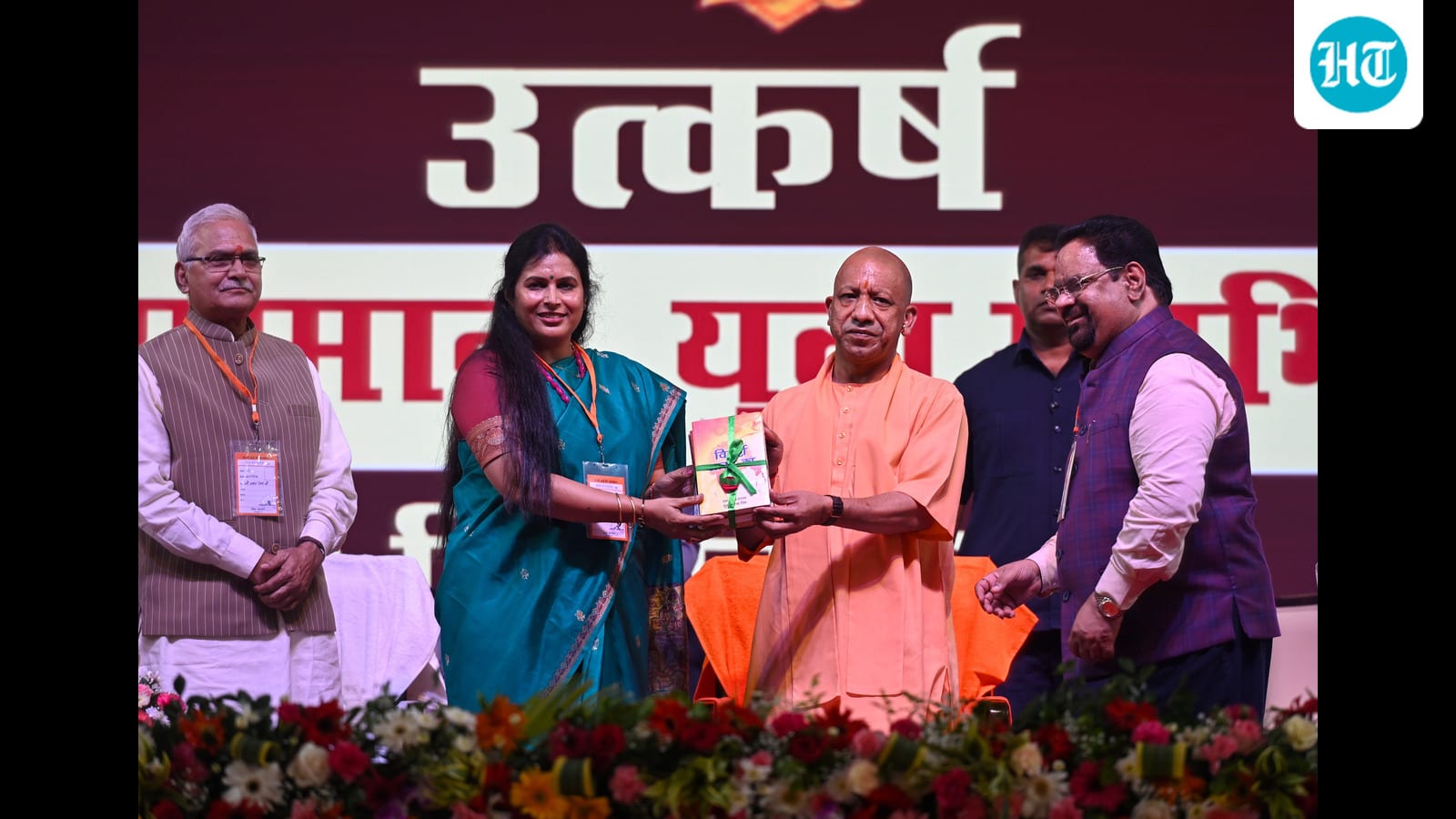
UP Chief Minister Yogi Adityanath has declared the state a new national growth engine, shedding its former 'BIMARU' label. He emphasized women's empowerment through banking initiatives and the creation of women-only PAC battalions named after historical figures.
Uttar Pradesh: From BIMARU to Growth Engine
Uttar Pradesh Chief Minister Yogi Adityanath, speaking at the conclusion of the 'Prerna Vimarsh-2026' event in Greater Noida, has framed a transformative narrative for the state. By contrasting the current economic status of Uttar Pradesh as a 'revenue surplus' entity with its historical categorization as a 'BIMARU' (Bihar, Madhya Pradesh, Rajasthan, and Uttar Pradesh) state, the Chief Minister underscored a definitive shift in governance philosophy. This rhetoric serves to distance the current administration from the legacy of previous regimes, which he explicitly criticized for systemic nepotism and corruption in recruitment processes.
Economic Revitalization and Governance
The claim that Uttar Pradesh has evolved into the 'country’s growth engine' suggests a significant shift in fiscal management and industrial policy. The transition from a state historically characterized by economic stagnation and poor social indices to one that is now revenue surplus indicates a focus on structural reforms. By addressing the 'irregularities' of the past, the current leadership aims to project stability, which is often a prerequisite for the large-scale investment required to sustain a state of this demographic magnitude.
Prioritizing Women in Financial Inclusion
A cornerstone of the Chief Minister's address was the role of women in the state's socio-economic development. The deployment of 54,000 'Banking Correspondent Sakhis' represents a tangible effort to bridge the financial inclusion gap in rural areas. By bringing banking services directly to the village level through female representatives, the government is not only empowering women professionally but also ensuring that the state’s financial architecture reaches the grassroots, thereby fostering a more inclusive economic environment.
Historical Recognition and Symbolic Empowerment
Beyond economic initiatives, the event—themed 'Prerna Vimarsh - Naari Samman, Yuva Swabhiman'—sought to culturally integrate women’s empowerment with national identity. The announcement of three women-only Provincial Armed Constabulary (PAC) battalions, named after 1857 uprising warriors Rani Avantibai Lodhi, Uda Devi, and Jhalkari Bai, serves to anchor modern policy in historical reverence. This move is designed to bolster the state's security apparatus while simultaneously elevating the status of women in public service.
Broader Implications and Future Trends
The synthesis of economic modernization and cultural symbolism reflects a broader trend in Indian governance where states strive to redefine their regional brand. By citing figures like Meera Bai and the 1857 freedom fighters, the administration is linking its current policy agenda to a historical narrative of strength and resilience. Looking ahead, the success of this model will likely be measured by the sustained growth of the revenue surplus and the efficacy of the women-led banking and security initiatives in creating long-term social stability.
Multiple Citing Sources
Verification Required?