Opinion: Opinion | 'Blackmail' Diplomacy: Why India Can't Be A Pawn In US' War On Russia
Source Entity
NDTV News Search Records Found 1000
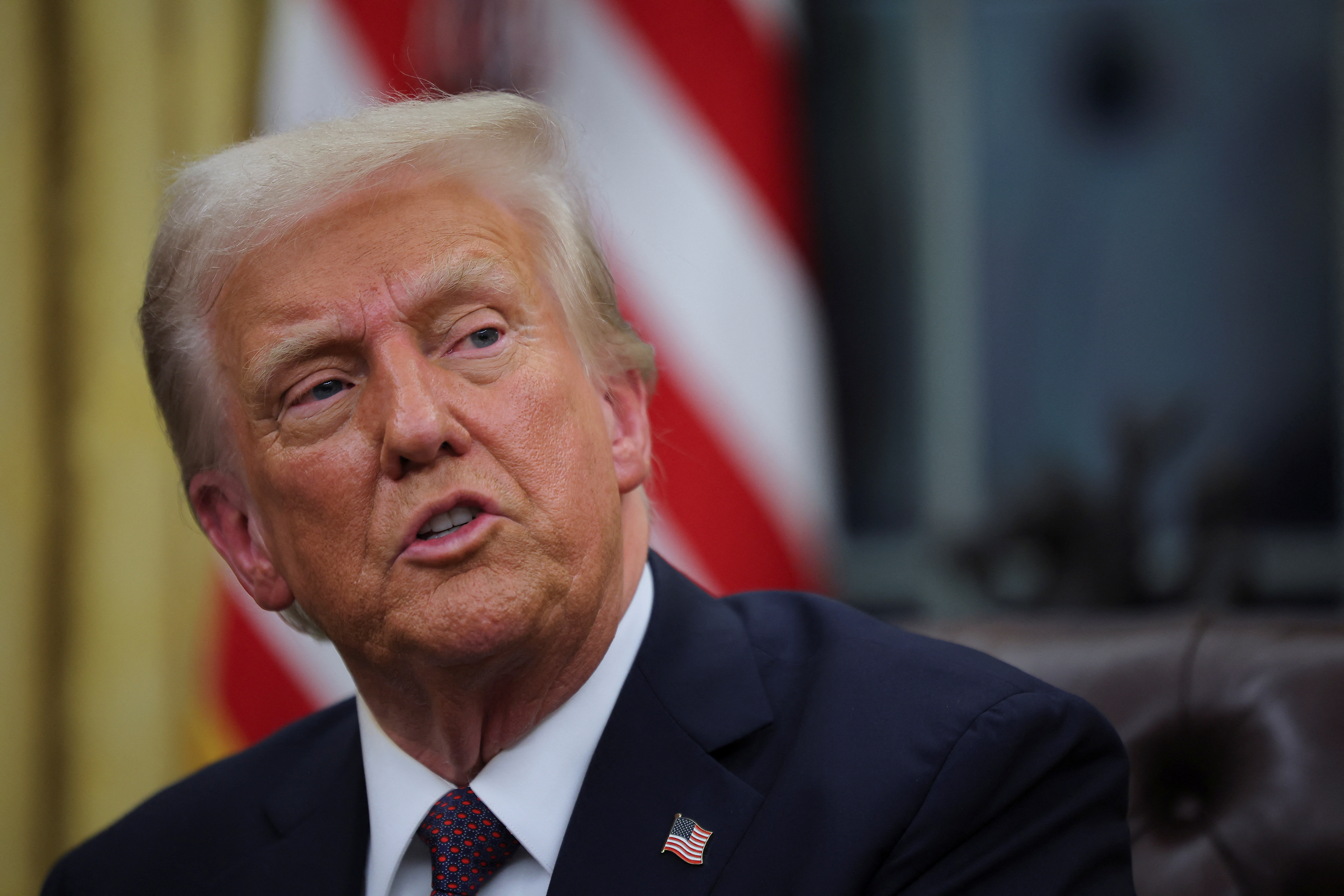
The U.S. Congress has passed the Lindsey O Graham Sanctioning Russia and Iran Act 2026, targeting major Russian energy importers like India. This move is being criticized as hypocritical 'blackmail' while India continues to navigate complex multilateral diplomacy through forums like BRICS.
The Geopolitical Pressure Point: U.S. Sanctions and India's Strategic Autonomy
The recent passage of the 'Lindsey O Graham Sanctioning Russia and Iran Act 2026' by the United States Congress marks a significant escalation in the tensions between Washington and emerging global powers. By authorizing the U.S. President to impose tariffs of up to 100 percent on the five largest purchasers of Russian energy—including India, China, Slovakia, Hungary, and Azerbaijan—the legislation represents a direct challenge to India’s pursuit of economic development and its independent foreign policy. Critics have characterized this legislative maneuver as both 'blackmail' and 'hypocritical,' noting that the U.S. has notably carved out exemptions for other European allies under the guise of energy transition efforts, while selectively targeting others.
The Hypocrisy of Selective Enforcement
The core of the criticism lies in the perceived double standard applied by the United States. By providing exemptions to European allies while threatening punitive tariffs against India, the U.S. is effectively using its market access as a tool of geopolitical coercion. This approach risks undermining the bilateral relationship, as it attempts to force India to abandon its principled stand on energy security. For India, the purchase of Russian oil is a matter of pragmatic economic necessity, and the attempt to use the 2026 Act to leverage a change in this policy is viewed as an infringement on national sovereignty.
BRICS as a Diplomatic Buffer
In the face of this external pressure, India’s engagement in multilateral forums such as BRICS becomes increasingly vital. While some critics argue that the value of such forums should be measured solely by tangible outcomes, the events of the BRICS 2026 summit suggest otherwise. The forum served as a critical venue for high-level bilateral diplomacy, including the first meeting between Iran and the UAE since the onset of the West Asia war. This demonstrates that the value of such platforms lies in their ability to foster dialogue in a fractured global landscape, providing a space for de-escalation where Western-led institutions may currently be failing.
The Strategy of De-risking vs. Decoupling
India’s current economic trajectory is defined by a policy of 'de-risking' rather than a total decoupling from major global powers. By maintaining trade ties with Russia while managing relations with the U.S. and China, India is attempting to insulate its economy from the volatility of global sanctions regimes. However, the authority granted to President Donald Trump under the new Act introduces a high degree of uncertainty. It is widely expected that the administration may utilize these tariffs as a bargaining chip to secure specific trade concessions from the targeted countries before implementing the sanctions in their entirety.
Future Implications for Global Governance
The emergence of the 2026 Sanctions Act highlights a broader trend: the weaponization of economic policy in the pursuit of security objectives. As the U.S. continues to utilize its legislative power to influence the energy procurement strategies of other nations, the global order faces a period of recalibration. India’s challenge will be to maintain its strategic autonomy while navigating a world where economic interdependence is increasingly being used as a lever of influence. The success of this balancing act will depend on India's ability to leverage its position in diverse diplomatic groupings to mitigate the impact of unilateral actions by major powers.
Verification Required?