Once described as BIMARU, U.P. transformed as country’s growth engine, says CM Yogi
Source Entity
India Latest News: Top National Headlines Today & Breaking News | The Hindu
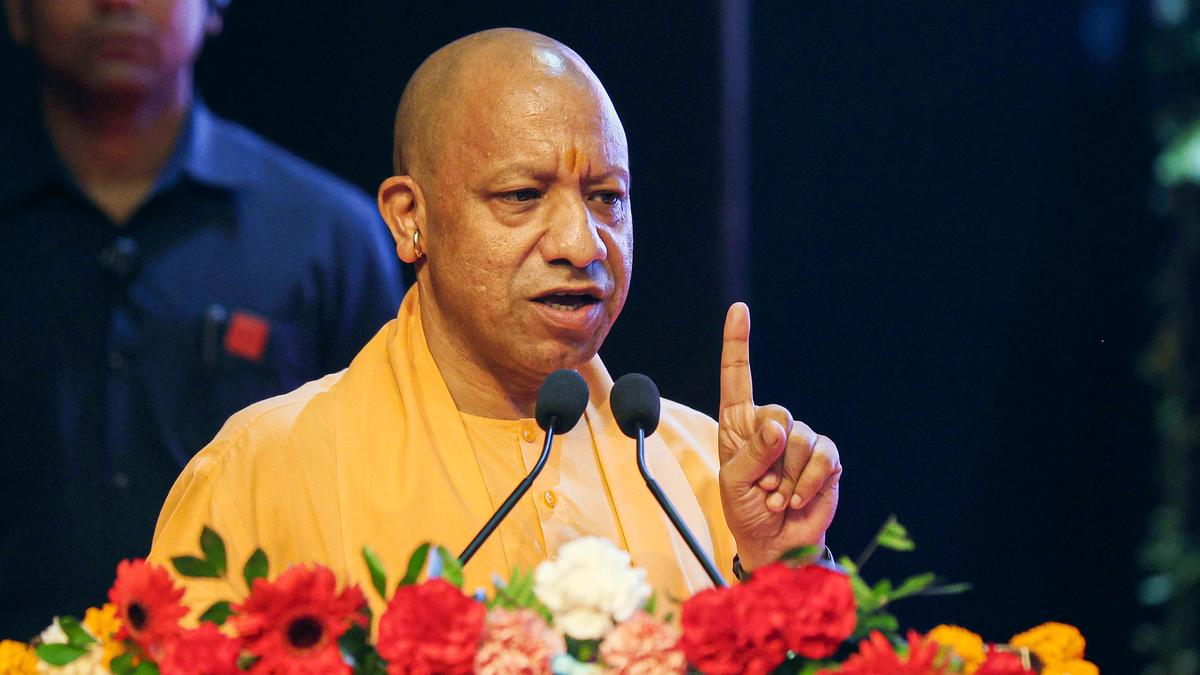
Uttar Pradesh Chief Minister Yogi Adityanath has claimed the state has evolved from its former status as a 'BIMARU' state into a revenue-surplus growth engine. The CM emphasized women's empowerment initiatives, including the deployment of banking correspondents and the creation of women-only PAC battalions.
The Transformation of Uttar Pradesh: From BIMARU to Growth Engine
Uttar Pradesh Chief Minister Yogi Adityanath recently addressed the 'Prerna Vimarsh-2026' event in Greater Noida, marking a significant moment in the state's political narrative. During his address, the CM drew a sharp contrast between the state’s historical classification as a 'BIMARU' state—a term historically used to describe states with poor socioeconomic indicators—and its current status as a revenue-surplus 'growth engine' for India. This shift represents a core pillar of his administration's claims of improved governance, transparency, and economic revitalization.
Addressing Governance and Corruption
Central to the CM's discourse was a critique of past political administrations. Adityanath explicitly blamed previous governments for fostering an environment of nepotism and corruption, particularly regarding recruitment processes. By contrasting the alleged administrative failures of the past with current policies, he seeks to validate his administration's legislative and bureaucratic reforms. The assertion that the state has moved away from a culture of systemic failure is positioned as the primary catalyst for its recent economic performance.
Women-Led Financial Inclusion
A significant focus of the state’s current development strategy is the empowerment of women, which the CM highlighted as a priority. One of the most tangible examples of this is the deployment of 54,000 'Banking Correspondent Sakhis' across rural Uttar Pradesh. By integrating these women into the financial sector, the government is not only facilitating banking services in remote villages but also creating decentralized economic participation, which is vital for the state's long-term socioeconomic health.
Honoring Historical Legacy through Policy
Beyond economic initiatives, the administration is focusing on cultural and historical symbolism to reinforce its 'Naari Samman' (respect for women) agenda. During the Prerna Vimarsh 2026 event, the CM announced the creation of three women-only Provincial Armed Constabulary (PAC) battalions. These units are to be named after legendary figures from the 1857 uprising: Rani Avantibai Lodhi, Uda Devi, and Jhalkari Bai. This move serves to institutionalize the recognition of women’s historical contributions to Indian independence.
Bridging History and Modern Governance
By invoking figures such as the 16th-century poet Meera Bai alongside 19th-century freedom fighters, the administration is weaving a narrative that links traditional Indian values with modern state-building. This strategy aims to foster 'Yuva Swabhiman' (youth pride) by grounding contemporary policy in a rich historical context, suggesting that the current path of governance is an evolution of India's inherent cultural strength.
Future Implications and Outlook
Looking ahead, the success of the current administration’s model will likely be measured by the sustainability of these initiatives. The transition from a 'BIMARU' state to a growth engine is a complex process that hinges on maintaining revenue surpluses and ensuring that grassroots empowerment programs, like the Banking Correspondent Sakhis, remain effective. As Uttar Pradesh continues to position itself as a central player in India's economy, these policies regarding gender-inclusive security and financial access will likely remain key indicators of the state's progress.
Verification Required?