CNN, MS NOW and Politico to file lawsuit against Trump's White House ban
Source Entity
BBC News
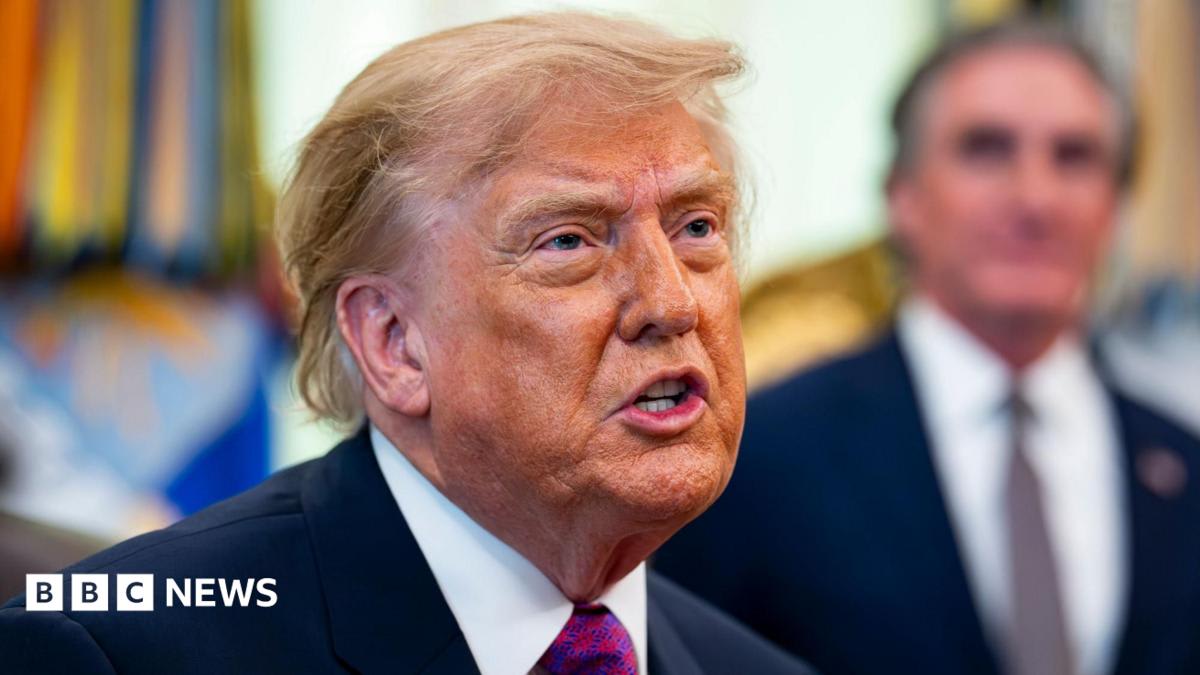
CNN, MS NOW, and Politico are suing the Trump administration following a total ban from the White House. In response, major TV networks have suspended their pooled coverage of the president as he travels to the UN General Assembly.
Constitutional Crisis: Media Outlets Challenge White House Press Ban
In an unprecedented escalation of tensions between the executive branch and the press, CNN, Politico, and MS NOW have initiated a legal challenge against the Trump administration. This move follows President Donald Trump's Friday announcement barring these specific outlets from White House grounds, citing his frustration with what he termed "fiction or lies" and "cumulative stories" about his administration. By Saturday, journalists from these organizations were denied physical access to the building, triggering a swift and severe response from the media coalition.
The Legal Argument: First Amendment Protections
The core of the lawsuit rests on the First Amendment of the U.S. Constitution, which explicitly prohibits the government from abridging the freedom of the press. The plaintiffs argue that the ban is a "direct assault" on these constitutional principles. Their legal filing asserts that the government holds no authority to dictate the content or tenor of journalistic reporting, framing the administration's actions as a fundamental violation of the democratic requirement for an independent and unfettered press.
Solidarity and the Collapse of the TV Pool
The implications of this ban have rippled through the broader media landscape, leading to a significant breakdown in traditional operations. Major U.S. TV networks have made the collective decision to suspend their participation in the White House "pooled coverage" system. This system, which operates on a rotating basis to ensure all news organizations have access to the president, has been rendered non-functional by the administration's decision to exclude CNN from the five-member pool during the president's trip to the United Nations General Assembly in New York.
Historical Context of Executive-Media Relations
While presidents throughout American history have often clashed with the press, the current situation marks a departure from standard practice. The lawsuit notes that executive dissatisfaction with media coverage is not new; however, the transition from verbal criticism to a total physical ban represents a shift in the executive branch's approach to media management. This action challenges the long-standing norms that have governed the relationship between the White House and the press corps since the early days of the Republic.
Broader Implications for Government Transparency
The exclusion of these outlets creates a vacuum in official reporting, particularly as the President engages in high-stakes international diplomacy at the UN summit. If the courts uphold the administration's right to bar specific organizations, it could redefine the boundaries of government transparency, potentially allowing future administrations to bypass critical scrutiny by selectively admitting only favorable outlets. Conversely, a victory for the media outlets would reinforce the judiciary's role as a check on executive power regarding the access and rights of the press.
Future Trends and Judicial Precedent
As the case moves forward, all eyes are on the federal judge who will preside over the request to reverse the ban. This decision will likely set a lasting precedent for how "pool" access and general White House press credentials are handled in the digital age. The industry is watching closely to see if the current solidarity among major networks will hold or if the logistical necessity of covering the President will force a shift in strategy. Ultimately, this conflict underscores the fragile balance between executive authority and the constitutional mandate of the Fourth Estate.