'Notices do not mean name deletion': EC clarifies after Kejriwal, Jaishankar, Advani get SIR letters
Source Entity
Latest News: Todays Latest News Headlines from India & World | Hindustan Times | Hindustan Times
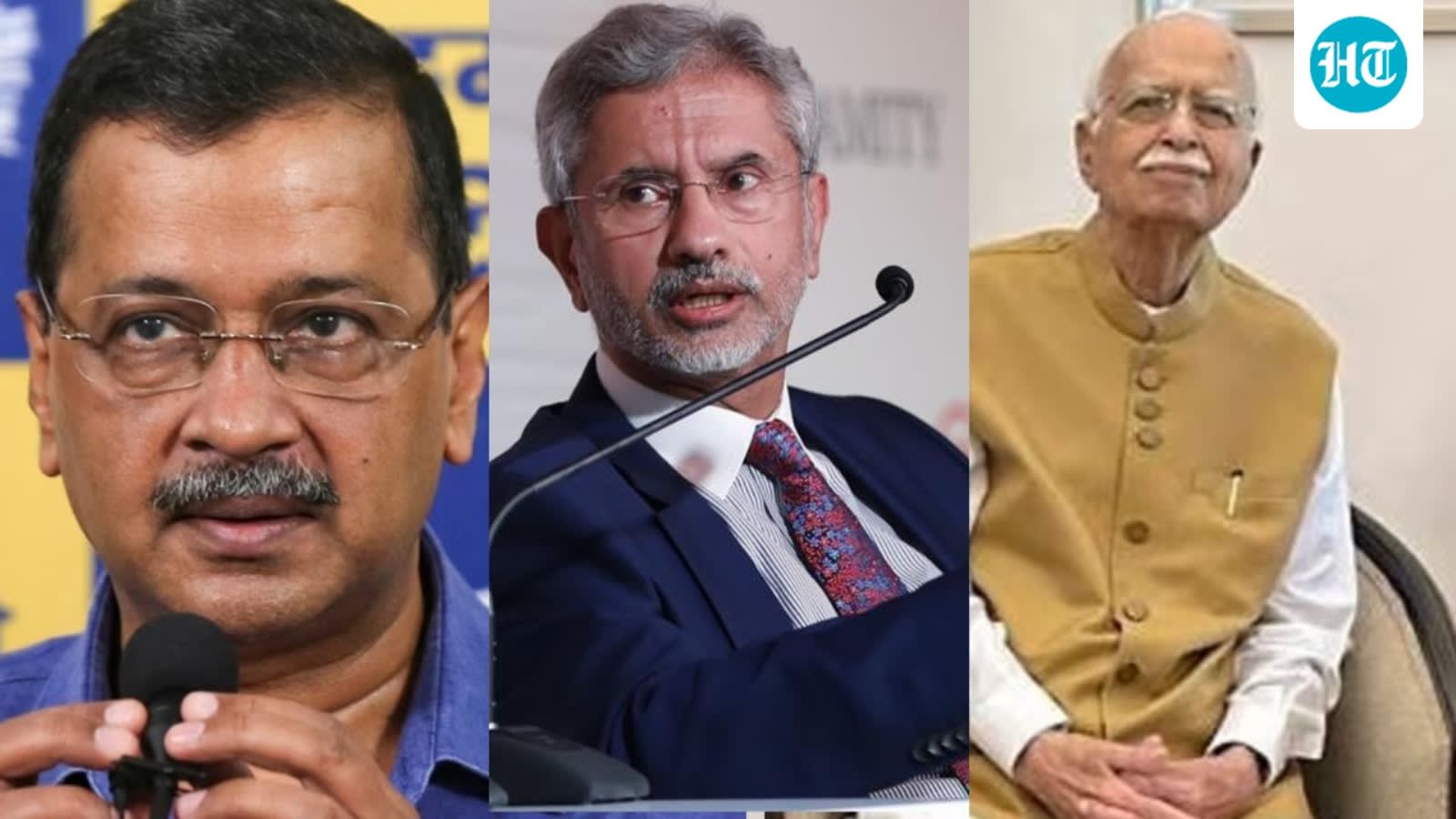
The Delhi Election Commission has removed nearly one-third of voters from the draft electoral roll, citing logical discrepancies during a Special Intensive Revision. High-profile figures, including CM Rekha Gupta and former CM Arvind Kejriwal, are among the millions receiving notices to verify their credentials.
Massive Voter Roll Revision Sparks Controversy in Delhi
On August 31, 2026, the Delhi Election Commission (EC) initiated a Special Intensive Revision (SIR) of the city's electoral rolls, resulting in a staggering reduction of the voter base. Data indicates that the draft roll now contains 97,53,577 electors, marking a 32.8% decline from the 1,45,10,299 electors recorded as of June 30. This process effectively removed one in every three voters, triggering widespread concern regarding the integrity and administrative handling of the electoral process.
The Scope of 'Logical Discrepancies'
According to Chief Electoral Officer Ashok Kumar, the reduction is attributed to the identification of 'logical discrepancies' and 'no mapping' errors within the database. To address these inconsistencies, the office has published lists of affected individuals online and is actively issuing notices to 3.31 million electors. The scale of this operation is unprecedented, requiring the establishment of hearing camps to manage claims and objections, with officials suggesting that more camps may be added if the current volume of grievances persists.
High-Profile Impact and Political Backlash
The reach of this revision has extended to the highest levels of Delhi’s political establishment. Notable figures, including current Chief Minister Rekha Gupta and her predecessor Arvind Kejriwal, have been issued notices to present documentation. The inclusion of Kejriwal’s family members, including Sunita Kejriwal, his parents, and his son, has drawn sharp criticism from the Aam Aadmi Party (AAP). The party has publicly questioned the legitimacy of the process, asking, 'How is it possible?' for such prominent, long-term residents to face sudden exclusion.
Procedural Challenges and Public Trust
Administrative efforts to rectify these discrepancies are currently focused on providing citizens a pathway to re-verify their status. However, the sheer volume of notices—3.31 million—presents a significant logistical challenge. The requirement for voters to present supporting documents to prove their eligibility in the face of a mass-deletion event places a heavy burden on the electorate, raising questions about the efficacy of the digital tools used to flag these 'discrepancies.'
Legal and Future Implications
The situation has escalated to the judiciary, with the Supreme Court expected to urgently hear a plea regarding the SIR process. This legal intervention highlights the critical nature of the electoral roll as the foundation of democratic representation. As the Election Commission continues its hearings, the outcome of these sessions will be a litmus test for the administrative capability of the EC and the resilience of Delhi's democratic processes. Future trends suggest that this event will likely lead to calls for more transparent, audit-ready systems for voter list maintenance to prevent mass disenfranchisement in future election cycles.
Multiple Citing Sources
Verification Required?