India-US tariff standoff: Why New Delhi must balance trade interests with strategic autonomy
Source Entity
Latest News: Todays Latest News Headlines from India & World | Hindustan Times | Hindustan Times
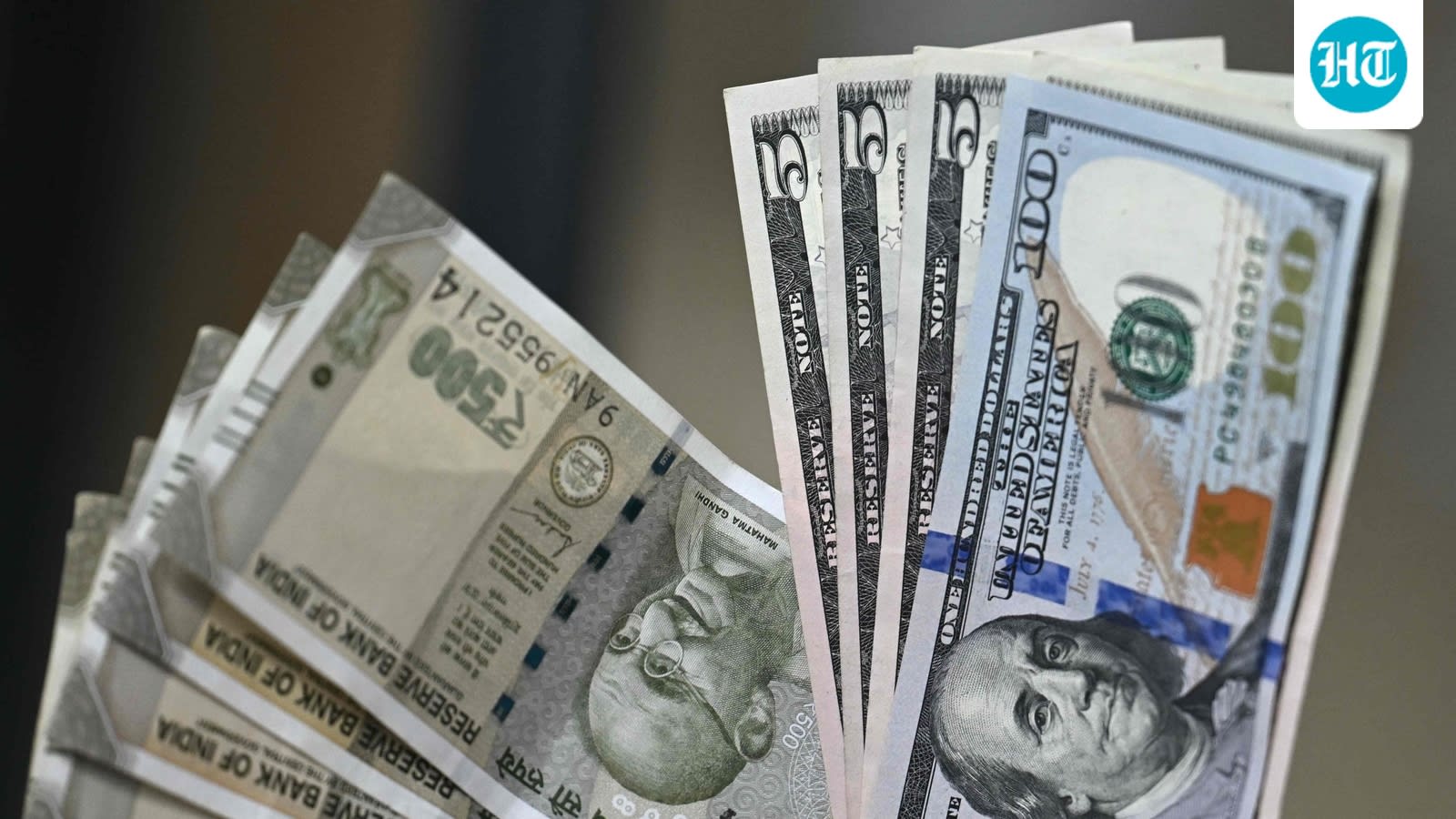
India and the US are navigating renewed tariff tensions that threaten to complicate their deepening strategic partnership. Despite record bilateral trade figures, persistent trade deficits and economic friction necessitate ongoing, high-stakes negotiations.
Navigating the India-US Economic Paradox
The relationship between India and the United States has long been defined by a complex duality: a flourishing strategic alignment contrasted with recurring, systemic trade friction. As noted by K P Vijayalakshmi, these tariff tensions have become a persistent irritant, particularly during periods of global economic instability. While the geopolitical partnership has reached new heights over the last decade, the economic dimension remains susceptible to the volatile nature of protectionist policies and shifting domestic priorities in both Washington and New Delhi.
The Data Behind the Friction
Despite the political rhetoric of cooperation, the underlying trade data reveals a significant imbalance. According to revised US Census data from July 2025, the US exported $3.418 billion in goods to India, while importing $9.161 billion. This goods deficit has long been a point of contention for US policymakers, who often view such imbalances as a metric for economic policy adjustments. However, when viewed through the lens of the total bilateral trade in goods and services—which reached $241.66 billion in 2025—the picture becomes more nuanced, highlighting the deep integration of the two economies.
Strategic Autonomy vs. Commercial Interests
For India, the challenge lies in maintaining 'strategic autonomy' while managing the pressures of international trade regimes. New Delhi must balance its domestic industrial ambitions, which often require tariff protections, with the need to remain an attractive partner for US investment and technology transfer. This delicate equilibrium is essential to prevent trade disputes from spilling over into the broader security and diplomatic architecture that both nations have spent years cultivating.
The Impact of Global Crises
The timing of these disputes is often exacerbated by global crises, which tend to force nations to turn inward and prioritize domestic supply chain resilience. As both countries navigate post-pandemic recovery and shifting global supply chains, the temptation to utilize tariffs as a tool for economic leverage increases. This creates a cyclical challenge where economic frictions threaten to undermine the very stability that both nations seek to protect through their deepening geopolitical ties.
Future Outlook and Negotiation
Looking ahead, the sustainability of the India-US partnership will depend on the success of sustained negotiation. Both nations must move beyond the transactional nature of tariff disputes and toward a more comprehensive framework for economic cooperation. By institutionalizing dialogue and creating mechanisms to address trade imbalances without resorting to retaliatory measures, India and the US can ensure that their commercial relationship matures alongside their strategic convergence.
Conclusion
The India-US trade standoff serves as a critical test for modern diplomacy. As the world moves toward a more fragmented economic order, the ability of New Delhi and Washington to resolve these tensions will determine whether their partnership can truly transcend traditional barriers. Success will require a pragmatic approach that honors both the strategic necessity of their alliance and the economic realities of their respective markets.
Verification Required?