'Preferential access already agreed': Goyal's big update on India-US trade deal
Source Entity
AYUSH PANDEY
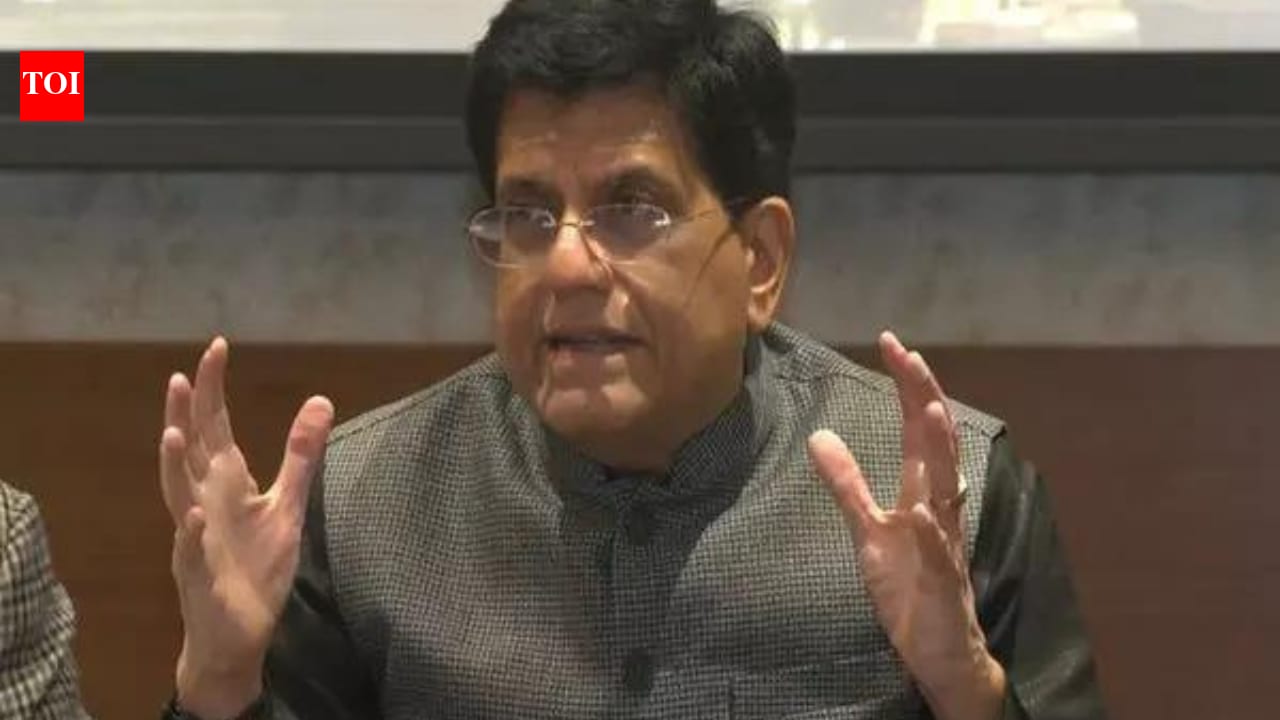
Union Minister Piyush Goyal has confirmed that India and the U.S. have reached a consensus on preferential trade access. This development signals a significant strengthening of bilateral economic ties and marks a positive shift in trade relations.
Strengthening Bilateral Economic Ties: The India-US Trade Outlook
A Milestone in Trade Diplomacy
Union Minister Piyush Goyal’s recent announcement regarding the agreement on preferential access between India and the United States marks a pivotal moment in the bilateral economic partnership. By securing these terms, both nations are actively working to reduce trade barriers, which has historically been a complex point of negotiation. This development suggests a move toward a more seamless integration of supply chains and a mutual recognition of the strategic necessity to bolster trade flows between the world’s two largest democracies.
The Significance of Preferential Access
Preferential access refers to the lowering or elimination of tariffs on specific goods, providing a competitive edge to exporters in both markets. For India, this could mean expanded opportunities for sectors like textiles, pharmaceuticals, and engineering goods to penetrate the vast American market more effectively. Conversely, the U.S. gains better entry for its high-tech exports and agricultural products, creating a balanced ecosystem that benefits industries on both sides of the Pacific.
Historical Context and Strategic Alignment
Historically, trade negotiations between India and the U.S. have navigated through various regulatory hurdles and divergent interests. However, the current momentum reflects a broader geopolitical alignment. As global supply chains undergo a 'China Plus One' diversification strategy, India is positioning itself as a reliable alternative manufacturing hub. This trade update is not merely an isolated bureaucratic achievement but a reflection of a deepening strategic partnership that prioritizes economic security and resilience.
Broader Economic Implications
The implications of this agreement extend beyond simple tariff reductions. By fostering a predictable trade environment, both governments are encouraging increased Foreign Direct Investment (FDI). Investors often seek stability and clear market access rules before committing capital; thus, this deal serves as a confidence booster for multinational corporations looking to expand their presence in India. This could lead to a significant uptick in cross-border ventures, technology transfers, and collaborative research and development initiatives.
Future Trends and Outlook
Looking ahead, this consensus may pave the way for more comprehensive trade agreements or even a potential Free Trade Agreement (FTA) framework in the long term. As India continues to focus on its 'Make in India' initiative, securing preferential access to the U.S. market is vital for achieving export targets and scaling industrial capacity. If successfully implemented, this agreement could act as a blueprint for India's future economic engagements with other Western economies, setting a precedent for how the nation handles complex multilateral trade negotiations.
Conclusion
In summary, the confirmation of preferential access is a clear signal of maturity in India-US trade relations. By addressing core concerns through structured dialogue, both nations have demonstrated a commitment to mutual prosperity. While the fine print of these agreements will determine the immediate impact on specific industries, the overall trajectory points toward a robust and mutually beneficial economic future that supports growth, innovation, and strategic collaboration.