Maharashtra extends 7% VAT on aviation turbine fuel till April 14
Source Entity
Latest News: Todays Latest News Headlines from India & World | Hindustan Times
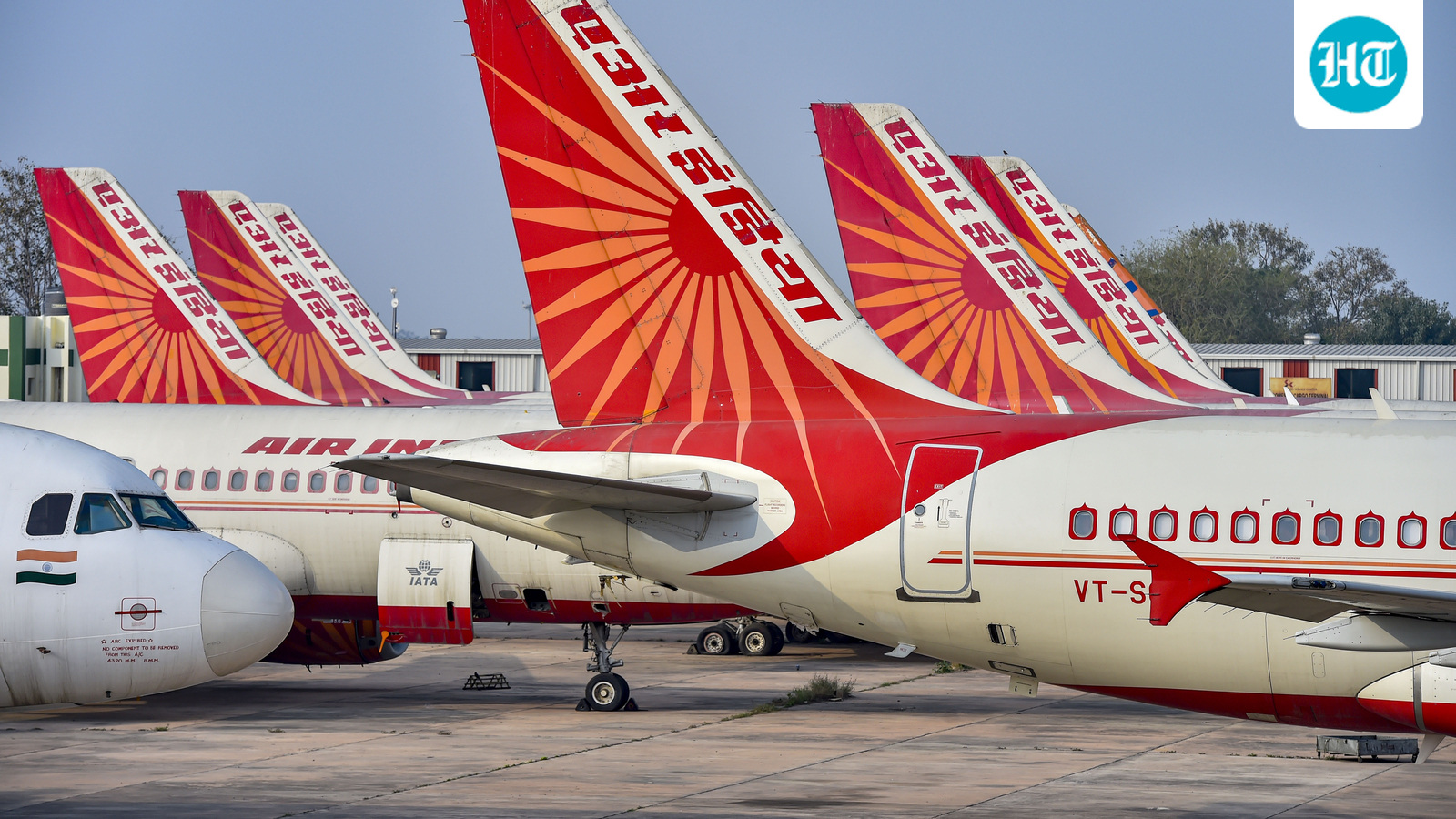
The Maharashtra government has extended its 7% VAT rate on aviation turbine fuel (ATF) until April 14, 2027. This measure aims to provide financial relief to airlines, as fuel costs constitute nearly half of their total operating expenses.
Maharashtra Extends ATF Tax Relief: A Strategic Move for Aviation
The Maharashtra state government has officially announced the extension of the concessional 7% Value Added Tax (VAT) rate on Aviation Turbine Fuel (ATF) until April 14, 2027. This policy, which was initially implemented on May 15 following a reduction from the previous 18% rate, was set to expire on November 14. By extending this relief through a notification issued by the state finance department on November 12, the administration has signaled a long-term commitment to stabilizing the aviation sector within the state.
The Economic Weight of Fuel Costs
To understand the gravity of this decision, one must consider the structure of airline economics. Aviation Turbine Fuel is consistently the most significant variable cost for carriers, typically accounting for between 40% and 50% of total operating expenditures. When VAT rates are high, the cost of flying increases, which is often passed down to passengers or forces airlines to trim routes. By maintaining the 7% cap, Maharashtra is effectively insulating airlines from excessive tax burdens that could otherwise destabilize air connectivity.
Contextualizing the Global Market
This fiscal policy was originally born out of necessity. Earlier this year, a convergence of factors—specifically rising global crude oil prices and the escalation of conflicts in West Asia—put immense pressure on airline operating costs. These geopolitical tensions disrupted supply chains and increased the volatility of fuel prices. The initial tax reduction in May served as a vital buffer, preventing a potential contraction in flight services that could have hindered regional economic activity.
Implications for Connectivity and Tourism
Beyond the balance sheets of airlines, this extension has broader implications for Maharashtra’s economy. As a key hub for commerce and tourism in India, maintaining competitive fuel prices ensures that the state remains an attractive destination for both domestic and international carriers. Affordable ATF is a prerequisite for keeping ticket prices sustainable, which in turn stimulates business travel and leisure tourism, both of which are critical drivers of the state's GDP.
Future Trends and Policy Stability
Looking ahead, the extension of this tax regime until 2027 provides a predictable regulatory environment for the aviation industry. Airlines favor jurisdictions where operational costs are stable, allowing them to plan their fleet deployments and route expansions with greater certainty. By providing a multi-year window for this tax concession, the Maharashtra government is fostering an environment conducive to long-term investment in its aviation infrastructure.
Conclusion
The decision to maintain the 7% VAT on ATF is a prudent fiscal measure that balances the state's revenue interests with the need for a healthy, functioning aviation market. By mitigating the impact of global volatility on local airline operations, Maharashtra is positioning itself to maintain robust connectivity, which is essential for its continued economic growth and status as a premiere hub for aviation in India.
Verification Required?