IND vs NED LIVE Score, Hockey World Cup: India need win over Netherlands in their first Pool E game
Source Entity
Latest News: Todays Latest News Headlines from India & World | Hindustan Times | Hindustan Times
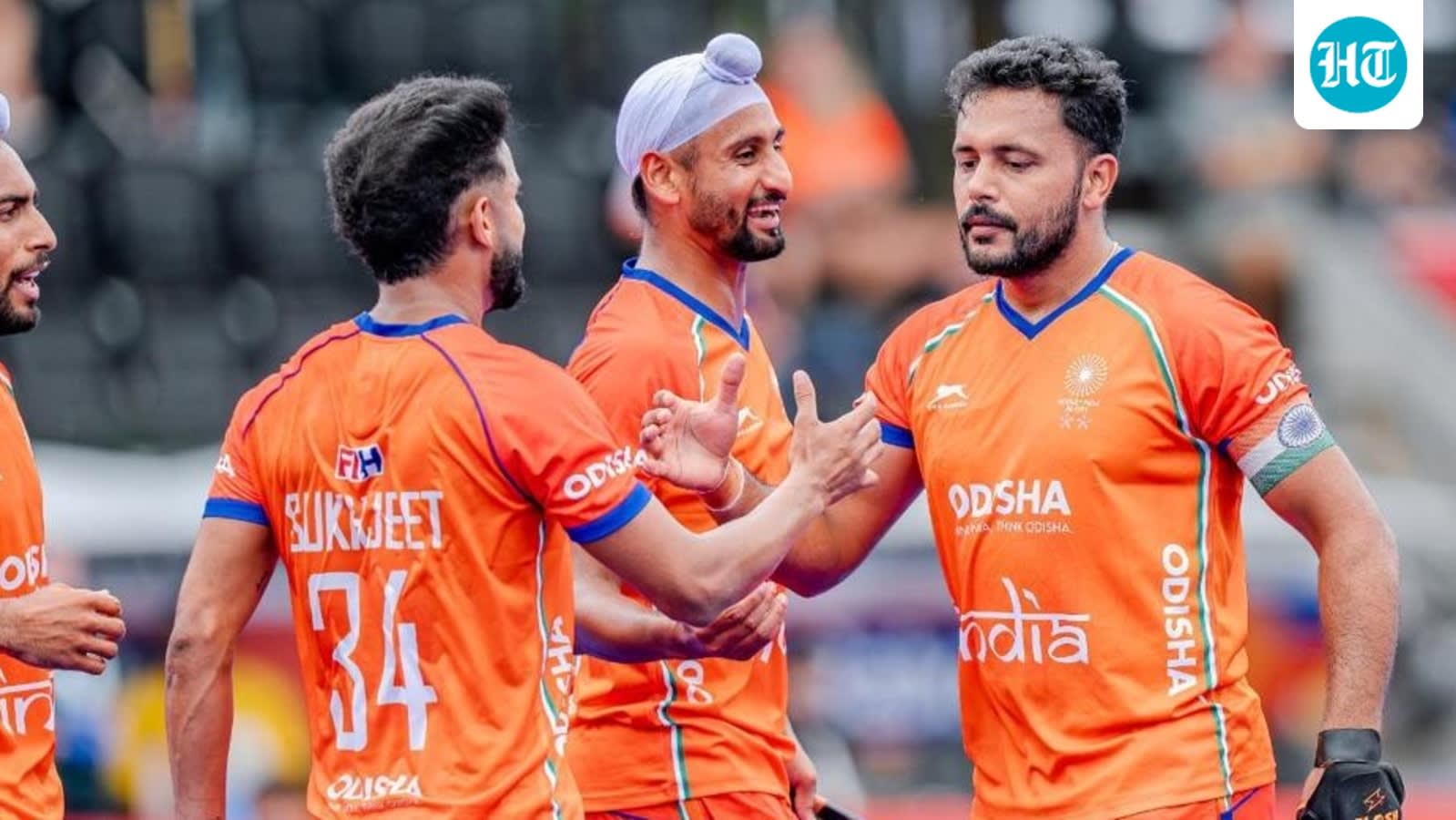
The Indian women's hockey team faced a challenging 2-0 defeat against the top-ranked Netherlands in the second round of the 2026 World Cup. Despite the loss, India demonstrated significant defensive growth compared to their previous encounters, keeping their semifinal hopes alive.
A Test of Resilience: India vs. Netherlands at the 2026 World Cup
The 2026 Women’s Hockey World Cup in Amsterdam witnessed a high-stakes clash between the Indian women’s hockey team and the world-dominating Netherlands side. Entering the second round with an unbeaten record, India faced the daunting task of overcoming the World No. 1 hosts. While the final scoreline favored the Dutch 2-0, the match served as a critical barometer for India’s development on the global stage.
The Tactical Landscape
From the opening whistle at the Wagener Stadium, the Netherlands demonstrated the clinical precision that has defined their status as the premier team in world hockey. An early second-minute strike by Yibbi Jansen set the tone, putting India on the back foot immediately. Despite the overwhelming pressure, India’s defensive unit displayed remarkable grit, frequently throwing themselves into the path of shots to limit the Dutch scoring opportunities—a stark contrast to the lopsided 5-1 defeat the team suffered against the same opponent at the 2021 Tokyo Olympics.
Defensive Discipline and Strategic Growth
One of the most notable aspects of the match was the tactical discipline exhibited by the Indian squad. Although they struggled to maintain possession and mount sustained offensive pressure, their ability to disrupt the Dutch rhythm marked a significant improvement. The team, currently ranked ninth, has navigated a challenging period of instability and transition, yet their performance in the group stages and their defensive resilience against the hosts suggest a team finding its footing under the guidance of coach Sjoerd Marijne.
Historical Context and Team Evolution
Comparing this performance to the Tokyo Olympics five years prior highlights the evolution of the Indian side. The 2026 squad features a blend of seasoned veterans and emerging young talent, reflecting a strategic shift in personnel. The return of Marijne has provided the tactical continuity necessary to integrate these younger players into a high-pressure environment, allowing the team to bridge the gap between being a participant and a competitive threat to the world's elite.
Broader Implications and Future Outlook
Despite the 2-0 loss, India’s campaign remains alive. The loss, while disappointing, was a "fighting" performance that keeps their semifinal aspirations intact as they prepare to face Australia. The ability to keep the scoreline respectable against the Netherlands—who scored 15 goals in their opening three matches—indicates that India possesses the defensive structure to compete against top-tier opposition.
Conclusion
The encounter in Amstelveen was more than just a defeat; it was a testament to the growth of Indian hockey. As the team moves forward to face Australia, the lessons learned from the Dutch encounter—specifically regarding defensive structure and composure under pressure—will be vital. India’s trajectory in this tournament suggests that they are no longer just making up the numbers, but are actively evolving into a side capable of challenging the established hierarchy of women’s international hockey.
Verification Required?