Deadline to remediate country’s all legacy landfills pushed to Dec 2027
Source Entity
Damini Nath
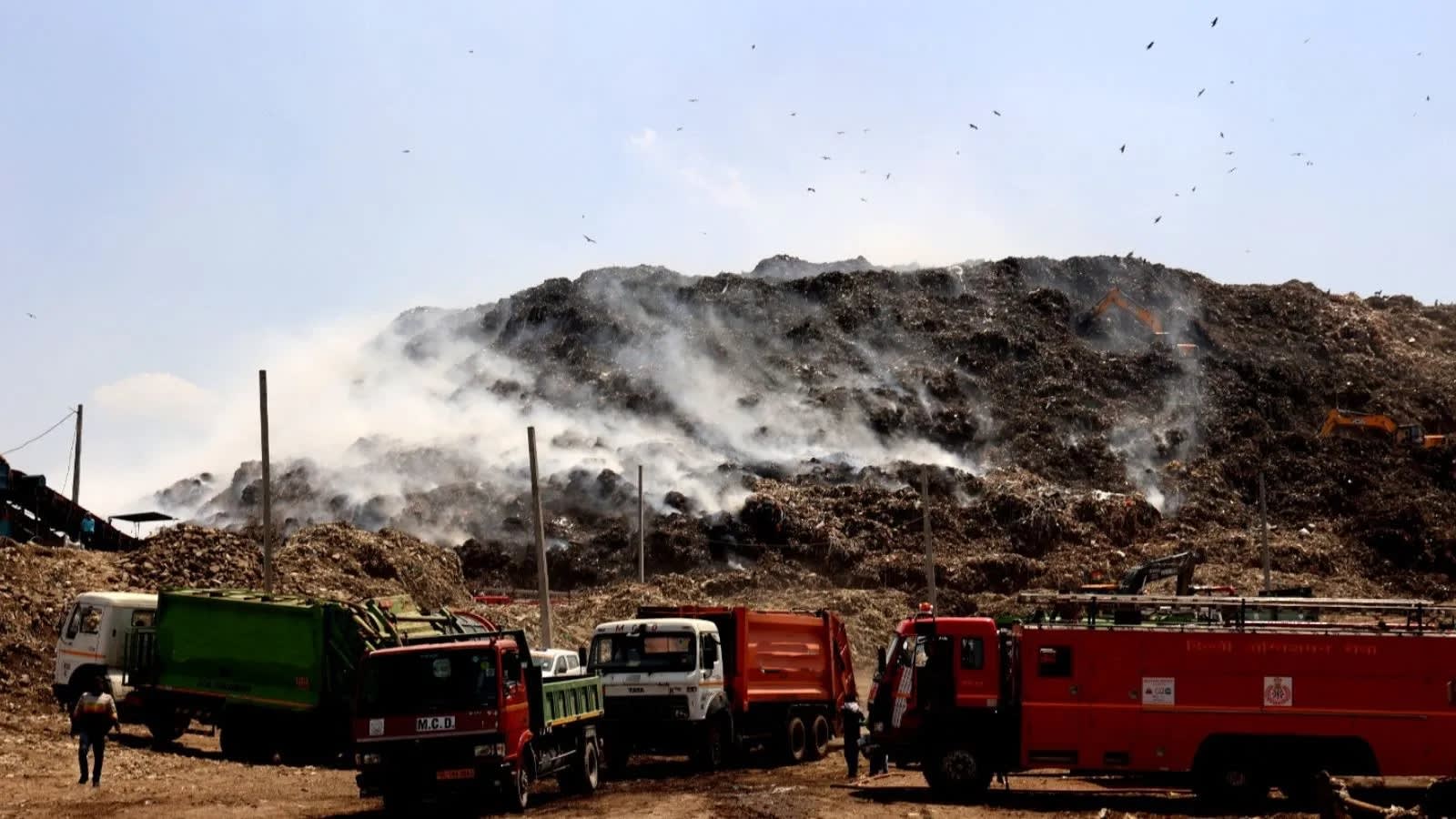
India is accelerating its transition to renewable energy through new waste-to-biogas and bio-crude projects in Karnataka and Maharashtra. These initiatives align with national efforts to remediate legacy landfills and reduce reliance on fossil fuels by 2027.
Scaling India’s Waste-to-Energy Infrastructure: A Strategic Shift
India is currently witnessing a transformative shift in its waste management and renewable energy sectors, driven by the dual necessity of clearing mounting urban landfills and reducing the national carbon footprint. Recent developments, including GAIL’s proposed ₹123-crore compressed biogas (CBG) plant in Bengaluru and Greenjoules’ ₹250-crore investment in bio-crude technology near Pune, signal a robust commitment to circular economy principles.
The Bengaluru Initiative: Turning Municipal Waste into Fuel
The Gas Authority of India Limited (GAIL) has proposed a significant infrastructure project at the Karnataka Compost Development Corporation (KCDC) site in Bengaluru. By establishing a 300-tonne-per-day facility on 18 acres, the project aims to process segregated organic municipal waste into 12.6 tonnes of CBG and 21.6 tonnes of fermented organic manure (FOM) daily. This project is not merely a waste management solution; it acts as a localized energy hub, where the produced biogas is channeled to GAIL Gas for distribution as a clean, sustainable fuel source for the city.
National Context: Remediating Legacy Landfills
These localized efforts are critical to achieving broader federal goals. Currently, the nation faces the monumental task of clearing over 1,000 lakh tonnes of waste across 4,632 acres of legacy dumpsites. While the Ministry of Housing and Urban Affairs initially aimed to clear these sites under the Swachh Bharat Mission-Urban 2.0 by 2026, the deadline has been extended to December 2027. This extension highlights the sheer scale of the waste management crisis, but also reinforces the government's resolve to integrate permanent remediation with long-term energy recovery models.
Technological Innovation in Agriwaste
Beyond municipal waste, the agricultural sector is becoming a primary feedstock for India’s energy independence. Greenjoules Private Ltd’s investment in a greenfield plant at Khed City represents a sophisticated approach to agriwaste. Utilizing a proprietary Integrated Catalytic Thermo Cracking (ICTC) process, the company converts materials like paddy straw, husk, and sugarcane bagasse into bio-crude. With plans to reach a production capacity of 5,00,000 litres per day by 2028, this technological leap demonstrates that agricultural byproducts can be effectively commoditized into high-value energy assets.
Broader Economic and Environmental Implications
These projects represent a convergence of environmental sustainability and energy security. By diverting organic waste from landfills, cities like Bengaluru can mitigate methane emissions and soil contamination, while simultaneously producing organic fertilizer (FOM) to support sustainable agriculture. The transition to bio-crude and CBG also provides a buffer against global oil price volatility, positioning India as a leader in decentralized green energy production.
Future Trends and Outlook
The alignment of private sector innovation, such as Greenjoules’ catalytic processes, with public sector infrastructure, such as GAIL’s KCDC plant, suggests a scalable blueprint for the future. As the 2027 deadline for legacy landfill remediation approaches, the integration of waste-to-energy plants will likely become a standard component of urban planning. Moving forward, the success of these initiatives will depend on the consistency of waste segregation at the source and the continued scaling of proprietary conversion technologies to ensure economic viability.
Multiple Citing Sources