Rs 250 crore funding for India’s proposed largest agriwaste-to-fuels plant
Source Entity
The Indian Express
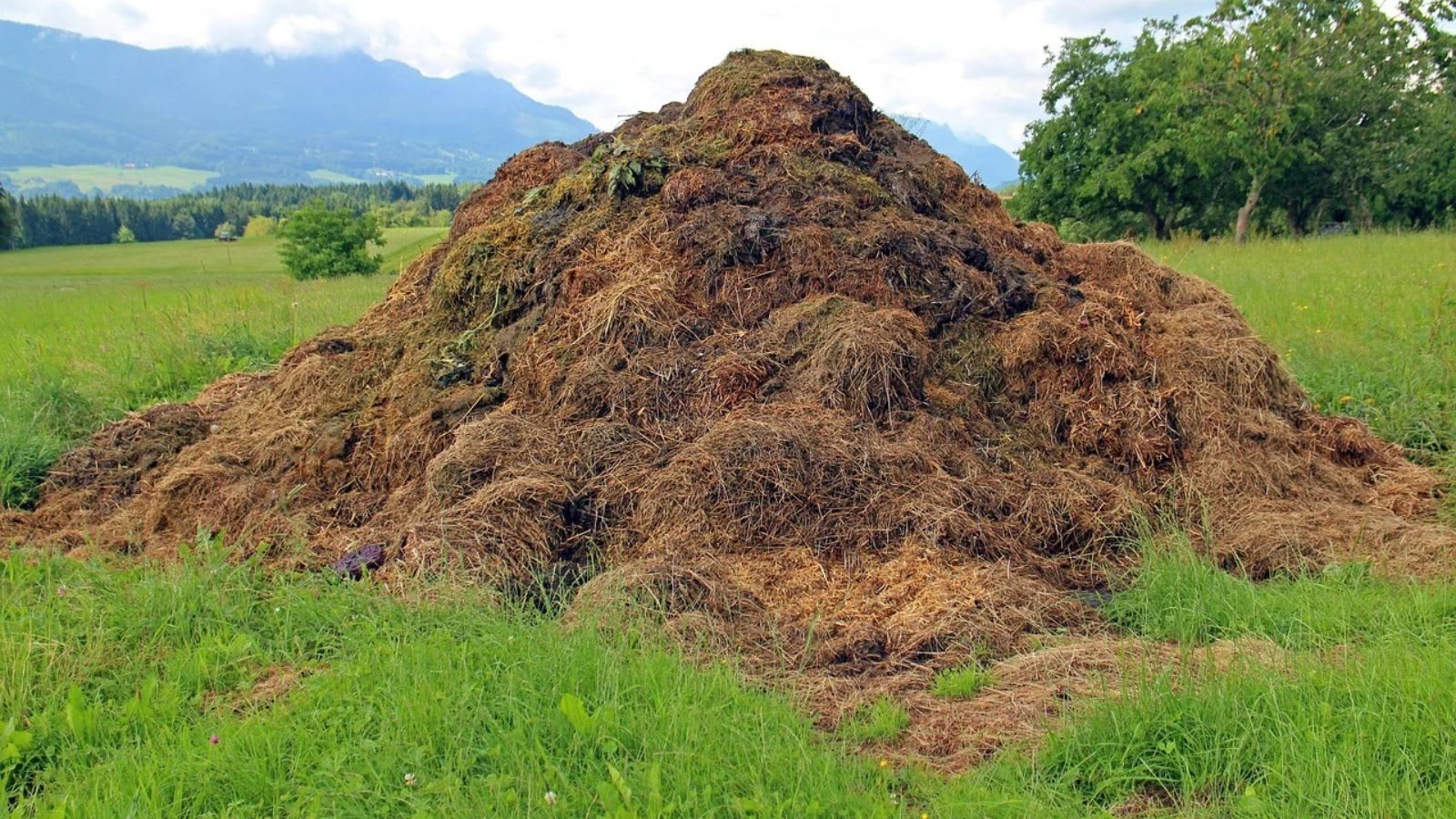
India is aggressively scaling its waste-to-energy sector with major projects like Greenjoules' bio-crude plant and GAIL's biogas facility. These initiatives align with the national push to remediate legacy landfills by December 2027.
India's Strategic Shift Toward Waste-to-Energy Solutions
India is witnessing a transformative phase in its renewable energy landscape, marked by significant investments and policy shifts aimed at converting waste into valuable energy resources. Recent developments, including a Rs 250 crore investment by Greenjoules Private Ltd and a proposed Rs 123-crore biogas facility by GAIL, underscore a concerted effort to address the dual challenges of waste management and energy security.
Scaling Bio-Crude Production
Greenjoules Private Ltd is positioning itself as a leader in the renewable fuel sector with its ambitious expansion in Khed City, near Pune. By utilizing a proprietary Integrated Catalytic Thermo Cracking (ICTC) process, the company converts agricultural residues—such as paddy straw, husk, and sugarcane bagasse—into bio-crude at high temperatures. This technology represents a significant advancement in valorizing agri-waste, which has historically been a source of environmental concern due to seasonal burning. With a goal to reach a production capacity of 5,00,000 litres per day by 2028, Greenjoules is setting a blueprint for decentralized, sustainable fuel production.
Urban Waste and Biogas Integration
Parallel to private sector innovation, the Gas Authority of India Limited (GAIL) is tackling the urban waste crisis through a proposed 300-tonne-per-day compressed biogas (CBG) plant in Bengaluru. By leveraging the Karnataka Compost Development Corporation (KCDC) site, GAIL aims to convert segregated organic municipal waste into 12.6 tonnes of CBG and 21.6 tonnes of fermented organic manure daily. This circular economy model not only provides clean fuel to GAIL Gas but also mitigates the environmental impact of urban waste disposal.
Addressing the Legacy Landfill Challenge
These technological interventions arrive at a critical juncture, as the Indian government has extended the deadline to remediate legacy landfills to December 2027. With over 1,000 lakh tonnes of waste currently occupying 4,632 acres across urban centers, the Swachh Bharat Mission-Urban 2.0 faces the massive logistical hurdle of clearing these sites. The extension reflects the complexity of legacy waste management, which requires sustained investment in processing infrastructure to prevent the re-accumulation of dumpsites.
Broader Implications for Sustainability
The synergy between these projects suggests a multi-pronged strategy: using advanced technology like ICTC for agricultural waste and anaerobic digestion for urban organic waste. By decoupling economic growth from landfill dependency, India is moving toward a more sustainable industrial framework. These efforts are essential to reducing the carbon footprint of the transport sector and improving urban sanitation standards.
Future Trends and Outlook
Looking ahead, the success of these projects will likely depend on the scalability of waste collection and segregation systems. As these plants become operational, they will serve as pilot models for other municipalities and private firms. The integration of bio-crude and CBG into the national energy grid is expected to play a pivotal role in India’s long-term decarbonization goals, provided that the supply chain for feedstock remains consistent and economically viable.
Multiple Citing Sources