Indian Americans must keep marching despite racial insults
Source Entity
Latest News: Todays Latest News Headlines from India & World | Hindustan Times | Hindustan Times
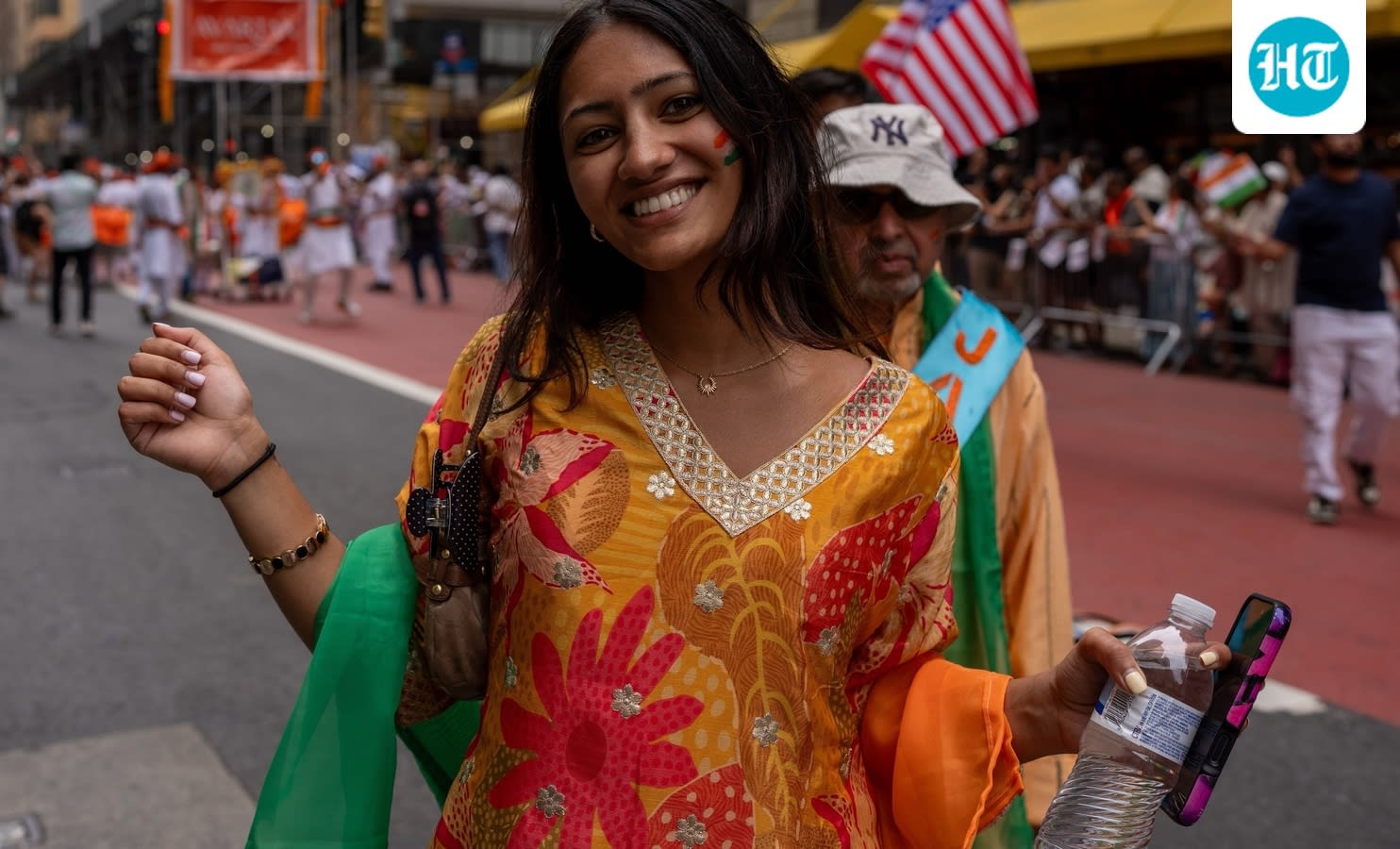
Indian Americans are facing rising levels of racial hostility and scrutiny in the United States, as evidenced by recent polling data. Despite these challenges, the community continues to navigate the complexities of assimilation and civic engagement.
The Evolving Landscape of the Indian American Experience
The Indian American community is currently navigating a period of heightened social volatility, marked by an uptick in racial hostility that has permeated both digital spaces and physical public life. As noted in the recent Carnegie report, Indian Americans in a Time of Turbulence, nearly half of those surveyed since the start of 2025 have reported frequent exposure to racist content on social media. This data underscores a troubling trend: the visibility of the community, once viewed as a hallmark of successful integration, is now frequently met with intensified scrutiny and overt abuse.
The Dual Nature of Harassment
While the digital sphere acts as a primary vector for this hostility, it is critical to recognize the hybrid nature of these threats. The analysis suggests that while some harassment originates from international actors, there is a distinct and undeniable domestic base for such animus. Whether it is the targeted vitriol directed at public figures like Usha Vance or Vivek Ramaswamy, the rhetoric often centers on questioning the fundamental belonging and cultural authenticity of Indian Americans, regardless of their professional achievements or civic contributions.
The Challenge of Assimilation
Assimilation remains an 'aching business' for the community, a process that is as much about societal perception as it is about internal cultural evolution. Indian Americans are participating in profound generational shifts—ranging from changes in linguistic fluency and the softening of traditional customs to increasing rates of intermarriage. These processes are fundamental to the immigrant experience, yet they are currently occurring against a backdrop of public suspicion that challenges the community’s right to define its own identity within the American tapestry.
Implications for Civic Life
This hostile environment impacts more than just private individuals; it affects the community's engagement in public spaces. From attending community events to the construction of religious institutions, Indian Americans are finding that their presence is often subjected to intense, sometimes exclusionary, scrutiny. This challenges the foundational promise of the American dream, where the expectation of inclusion is meant to be a constant, even as the demographic and cultural makeup of the nation shifts.
Future Trends and Resilience
Looking forward, the resilience of the Indian American community will likely be tested by the persistence of these racial tensions. The ability to advocate for their place in American society while maintaining cultural heritage will be the defining challenge of the coming decade. As the community continues to integrate, the broader American society must reconcile its changing demographic reality with the inclusive values it claims to uphold. The path forward requires a persistent commitment to civic visibility, ensuring that the progress made by previous generations is not eroded by contemporary cycles of intolerance.
Verification Required?