Iran war costs US $45.1 bn; fatalities possibly higher than 18 reported by Pentagon
Source Entity
PRISHA PATNAIK
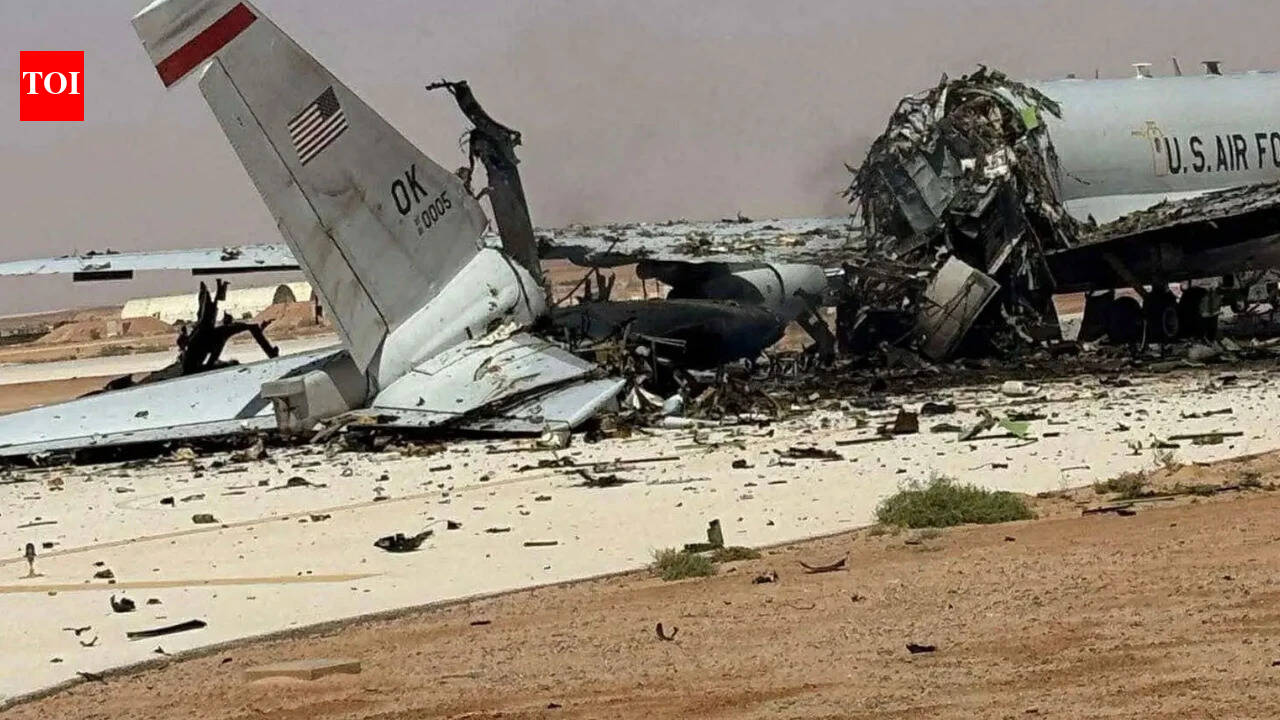
The Pentagon has disclosed that the conflict with Iran has cost at least $45.1 billion to date. Emerging reports suggest that military fatalities and structural damage to US bases are significantly higher than previously acknowledged.
The Expanding Fiscal and Human Toll of the Iran-US Conflict
Recent disclosures have brought the escalating costs of the ongoing conflict between the United States and Iran into sharp focus. According to reports provided to Congress, the Pentagon has confirmed that the war has reached a fiscal expenditure of $45.1 billion. This figure, which includes $43.6 billion in operational costs and an additional $1.5 billion in fuel expenditures, underscores the massive financial burden of maintaining a high-tempo military posture in the Gulf region.
The Acceleration of Military Spending
The financial data reveals a concerning trend of rapid escalation. Within a single month, expenditures on weapons systems alone surged by over $6 billion. This acceleration suggests that the intensity of the engagement is not merely static but is evolving into a more resource-heavy confrontation. The sheer volume of this spending indicates the deployment of advanced munitions and the necessity of constant replenishment, which places significant strain on defense budgets and logistical chains.
Discrepancies in Human Fatalities
Beyond the financial metrics, the human cost of the conflict is now facing intense scrutiny. While the Pentagon has maintained a specific public tally of fatalities, investigative reports from the Washington Post suggest that the actual number of US military personnel lost may be higher than officially disclosed. This discrepancy between official reporting and emerging accounts raises critical questions regarding transparency and the accuracy of casualty tracking in a volatile theater of operations.
Structural Damage and Operational Capacity
Visual evidence, including imagery of shredded tents and destroyed jet aircraft at US Gulf bases, provides a stark contrast to the sanitized narratives often presented in official briefings. The current cost estimates are notably incomplete, as they do not account for the extensive repair of damaged military infrastructure and buildings. These hidden costs signify that the long-term fiscal impact of the conflict will likely far exceed the current $45.1 billion figure once reconstruction and asset replacement are factored in.
Broader Strategic Implications
This conflict highlights the complexities of modern asymmetric warfare, where regional strikes can result in both high-value asset destruction and a lingering, opaque human toll. As the Pentagon continues to report to lawmakers, the gap between initial estimates and the reality on the ground—characterized by destroyed hardware and potential under-reporting of casualties—suggests that the strategic calculus of the conflict is shifting. Future trends indicate that unless there is a de-escalation, the requirement for sustained defense funding will likely continue to climb, further complicating the geopolitical landscape of the Middle East.
Multiple Citing Sources