Indian national missing after attacks on commercial vessel in Strait of Hormuz
Source Entity
India Latest News: Top National Headlines Today & Breaking News | The Hindu
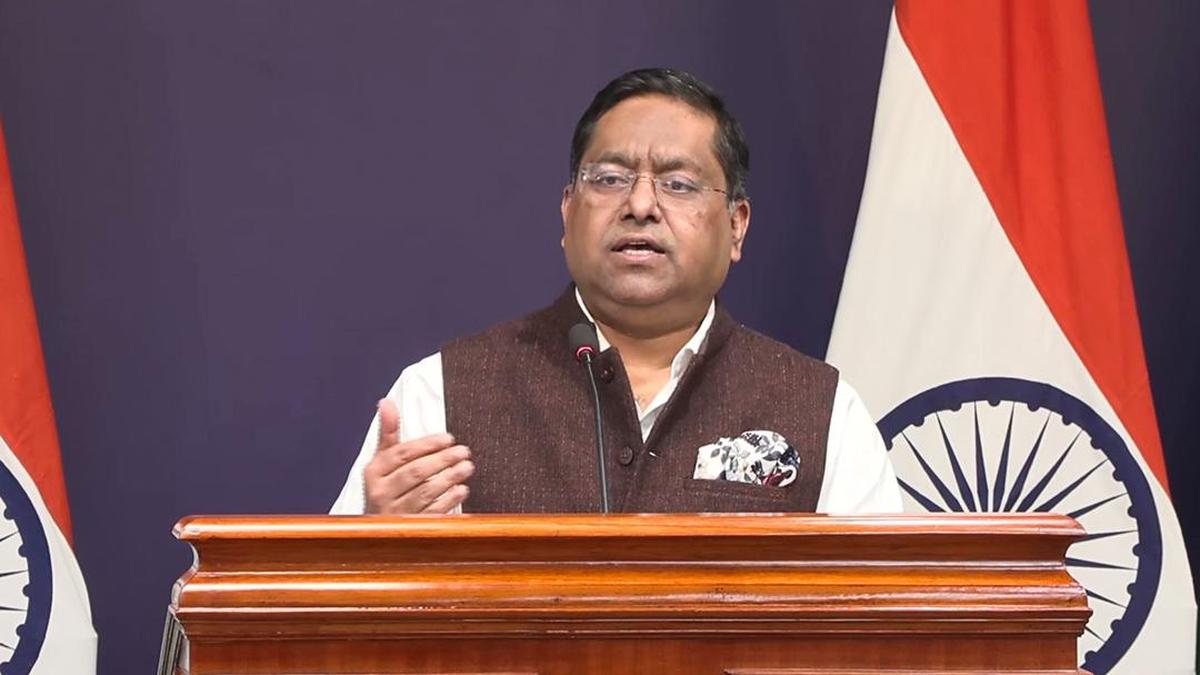
A Panama-flagged LPG tanker, MT Tara Gas, was attacked in the Strait of Hormuz, leaving one Indian national missing and two injured. India has condemned the incident, with the Indian Embassy in Oman coordinating ongoing rescue efforts for the crew.
Crisis in the Strait of Hormuz: Indian Crew Targeted
On November 16, a significant maritime security incident occurred in the Strait of Hormuz involving the Panama-flagged LPG tanker, MT Tara Gas. The vessel, which was carrying 24 Indian nationals, came under a targeted attack, resulting in an immediate international response and a stern condemnation from New Delhi. This event highlights the persistent vulnerabilities of commercial shipping lanes in one of the world's most critical maritime chokepoints.
Current Status and Rescue Operations
The Ministry of External Affairs (MEA) has confirmed that out of the 24 Indian crew members on board, 21 have been successfully evacuated to Khasab. However, the situation remains critical for the remaining three: two individuals are currently receiving hospital treatment for injuries sustained during the attack, and one Indian national remains missing. The Indian Embassy in Oman is actively engaged in coordinating search and rescue operations alongside local Omani authorities to locate the missing seafarer.
The Strategic Importance of the Strait
The Strait of Hormuz serves as a vital artery for global energy supplies, with a significant percentage of the world's oil and liquefied petroleum gas (LPG) passing through its narrow waters daily. Attacks on commercial vessels in this region are not merely isolated incidents; they represent a broader threat to global energy security and the stability of international trade routes. The targeting of civilian infrastructure and commercial shipping creates a volatile environment that complicates maritime logistics and insurance costs globally.
India’s Diplomatic Stance
India’s official condemnation reflects a hardening of its diplomatic position regarding regional maritime security. By emphasizing that the targeting of commercial shipping must end, New Delhi is signaling its concern over the safety of Indian seafarers who form a large component of the global merchant navy workforce. The MEA’s statement underscores a commitment to protecting its citizens abroad and highlights the necessity for international cooperation to ensure the freedom of navigation in contested waters.
Broader Implications and Future Trends
This incident underscores a worrying trend of increased hostility toward merchant vessels in the Middle East. If such attacks continue, they may force shipping companies to re-evaluate transit routes, potentially leading to delays and increased operational expenses. Furthermore, the reliance on regional coordination—as seen with the Omani authorities—demonstrates that while diplomatic channels remain open, the safety of civilian crews remains at the mercy of unpredictable regional security dynamics. Moving forward, the international community will likely face pressure to bolster naval presence or enhance maritime security protocols to prevent further escalation in the Strait of Hormuz.
Verification Required?