Tough measures on table as Railways seeks to curb linen theft in AC coaches
Source Entity
Dheeraj Mishra
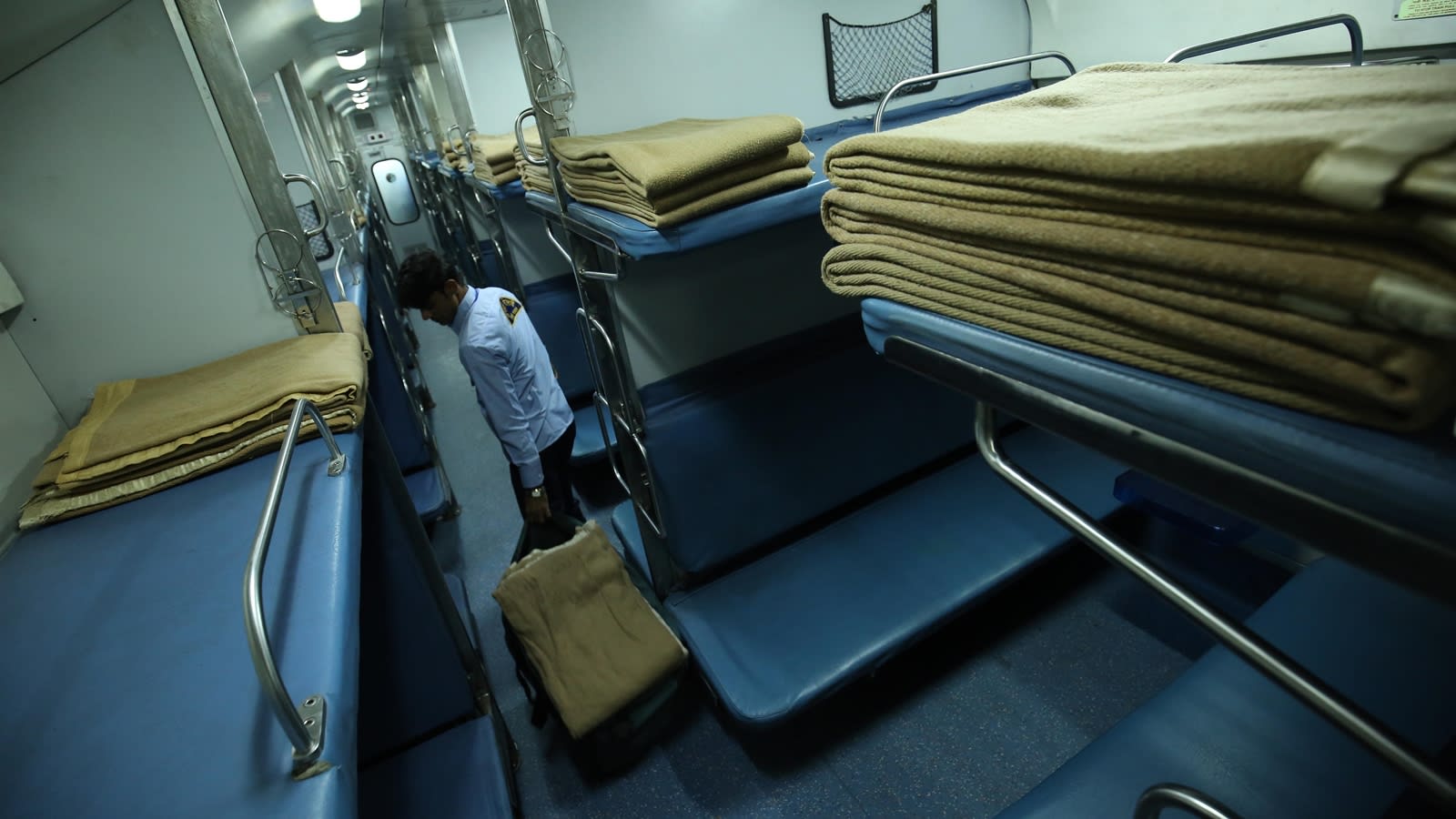
Indian Railways is considering strict measures to combat the widespread theft of linen and bedroll items from AC coaches, following reports that approximately 1.27 crore items have gone missing.
Addressing the Crisis of Asset Loss in Indian Railways
The revelation that approximately 1.27 crore linen items have been stolen from AC coaches in Indian Railways highlights a systemic vulnerability in the management of onboard amenities. While the railway network is often scrutinized for its infrastructure and safety records, the sheer scale of "soft asset" theft indicates a significant lapse in accountability and passenger discipline. The incident, brought to light by The Indian Express, underscores a growing financial drain on the national carrier, where items intended for passenger comfort are being misappropriated on a massive scale.
The Economic Burden of Systemic Theft
From a financial perspective, the loss of 1.27 crore linen items is not merely a logistical nuisance but a substantial economic blow. The cost of procuring, washing, and transporting millions of bedsheets, pillows, and blankets is immense. When these items are stolen, the Railways must continuously reinvest capital into replacements, which diverts funds that could otherwise be used for upgrading coach interiors or improving safety protocols. This cycle of theft and replacement creates an unsustainable operational overhead, especially in the premium AC segments where passengers pay higher fares for these specific amenities.
Operational Challenges in Linen Management
The ease with which such a vast quantity of linen can disappear points to a failure in the distribution and collection chain. Currently, bedrolls are distributed to passengers upon boarding, but the process of recovering them during disembarkation is often lax. In the rush of passengers exiting a train, the verification of returned linen is frequently overlooked by onboard staff. This lack of a rigorous check-out system creates an environment where theft is perceived as a low-risk activity, encouraging a culture of misappropriation among a subset of travelers.
Analyzing Potential "Tough Measures"
In response to this crisis, the Railways are now considering "tough measures" to curb the trend. Based on industry standards for asset tracking, these measures could include the implementation of RFID (Radio Frequency Identification) tags embedded in the fabric to track items through the laundry and distribution cycle. Additionally, the administration may explore a deposit-based system or a stricter mandate for onboard staff to verify the return of all linen items before a passenger leaves the coach. Such measures, while potentially increasing the friction of the travel experience, are necessary to safeguard public property.
Impact on Passenger Experience and Perception
There is a delicate balance between implementing security measures and maintaining the hospitality standards of AC travel. If the Railways introduce overly stringent recovery protocols, it may lead to friction between passengers and railway staff, potentially degrading the perceived quality of service. However, the alternative—a shortage of clean linen due to theft—is equally detrimental. The goal for the administration will be to implement a seamless tracking system that holds passengers accountable without turning the disembarkation process into a security checkpoint.
Conclusion and Future Outlook
Ultimately, the battle against linen theft in AC coaches is a battle against a culture of negligence regarding public assets. By combining technological interventions like RFID with stricter administrative oversight, Indian Railways can significantly reduce these losses. This event serves as a wake-up call for the administration to modernize its inventory management and instill a sense of civic responsibility among passengers. If successful, these measures will not only save crores of rupees but also ensure that the premium travel experience is sustained for all law-abiding citizens.