Food safety violations found at hotels and canteens in railway stations across Karnataka
Source Entity
India Latest News: Top National Headlines Today & Breaking News | The Hindu
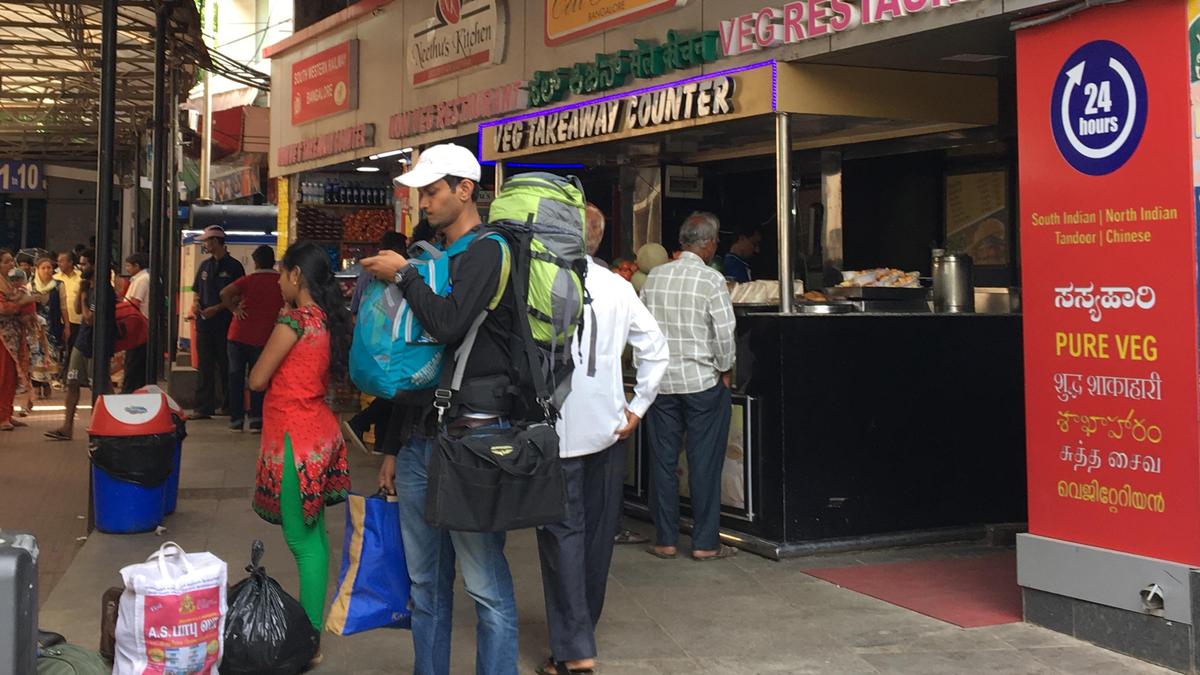
Indian Railways is advancing its infrastructure with high-speed trials on the Vande Bharat passenger and freight fleets. Simultaneously, safety authorities are cracking down on food hygiene violations at railway stations across Karnataka.
Modernizing Indian Rail: Speed, Innovation, and Accountability
The Indian railway network is currently undergoing a dual-track evolution, balancing technological breakthroughs in high-speed connectivity with a critical push for public health and safety standards. While engineering marvels are redefining the speed and reach of national transit, regulatory bodies are ensuring that the fundamental passenger experience—specifically food safety—is not sidelined in the pursuit of modernization.
Engineering Milestones: The Vande Bharat Expansion
Recent developments highlight significant progress in the Vande Bharat program. The successful trial of the first Vande Bharat freight train, which reached speeds of 145 kmph on the West Central Railway, signals a shift toward high-speed logistics. Developed by the Integral Coach Factory (ICF), this freight EMU rake is designed to modernize cargo movement. Simultaneously, the passenger network has achieved a historic milestone as the Vande Bharat Express clocked nearly 100 kmph while traversing the Chenab Railway Bridge in Jammu and Kashmir. This bridge, recognized as the world's highest railway bridge, represents a triumph of civil engineering that facilitates faster transit between Katra and Banihal.
The Critical Need for Hygiene Standards
While infrastructure speeds increase, the Food Safety and Drugs Administration Department of Karnataka has highlighted the necessity of rigorous oversight. A recent inspection of 112 food establishments across 36 railway stations revealed systemic failures in hygiene. Violations included the use of prohibited materials like newspapers for packing food, the storage of items in inappropriate containers, and the presence of expired products. These findings underscore the tension between rapid service delivery and the adherence to the Food Safety and Standards Act, 2006.
Regulatory Enforcement and Quality Control
The inspection drive in Karnataka focused on the entire ecosystem of railway catering, including canteens, pantry cars, and food stalls. By strictly enforcing food quality, storage, and labelling protocols, officials aim to mitigate health risks associated with improper handling, such as storing samosas in cardboard or using non-permitted food colors. This regulatory vigilance is essential to ensure that as the railway network accelerates, the quality of services provided to commuters remains safe and compliant.
Future Trends and Implications
The future of Indian rail depends on this delicate balance. As the Research Designs and Standards Organisation (RDSO) and ICF continue to push the boundaries of locomotive performance through oscillation and emergency braking tests, the focus must remain on integrated safety. The expansion of high-speed corridors like the one in the Jammu division necessitates a parallel commitment to station-level maintenance and hygiene. Ultimately, the modernization of the Indian railway system will be measured not only by the kilometers per hour clocked on the Chenab bridge but by the consistent safety and quality of the services provided to every passenger at every station.
Multiple Citing Sources
Verification Required?