There's no such thing as a small software team anymore
Source Entity
Hacker News
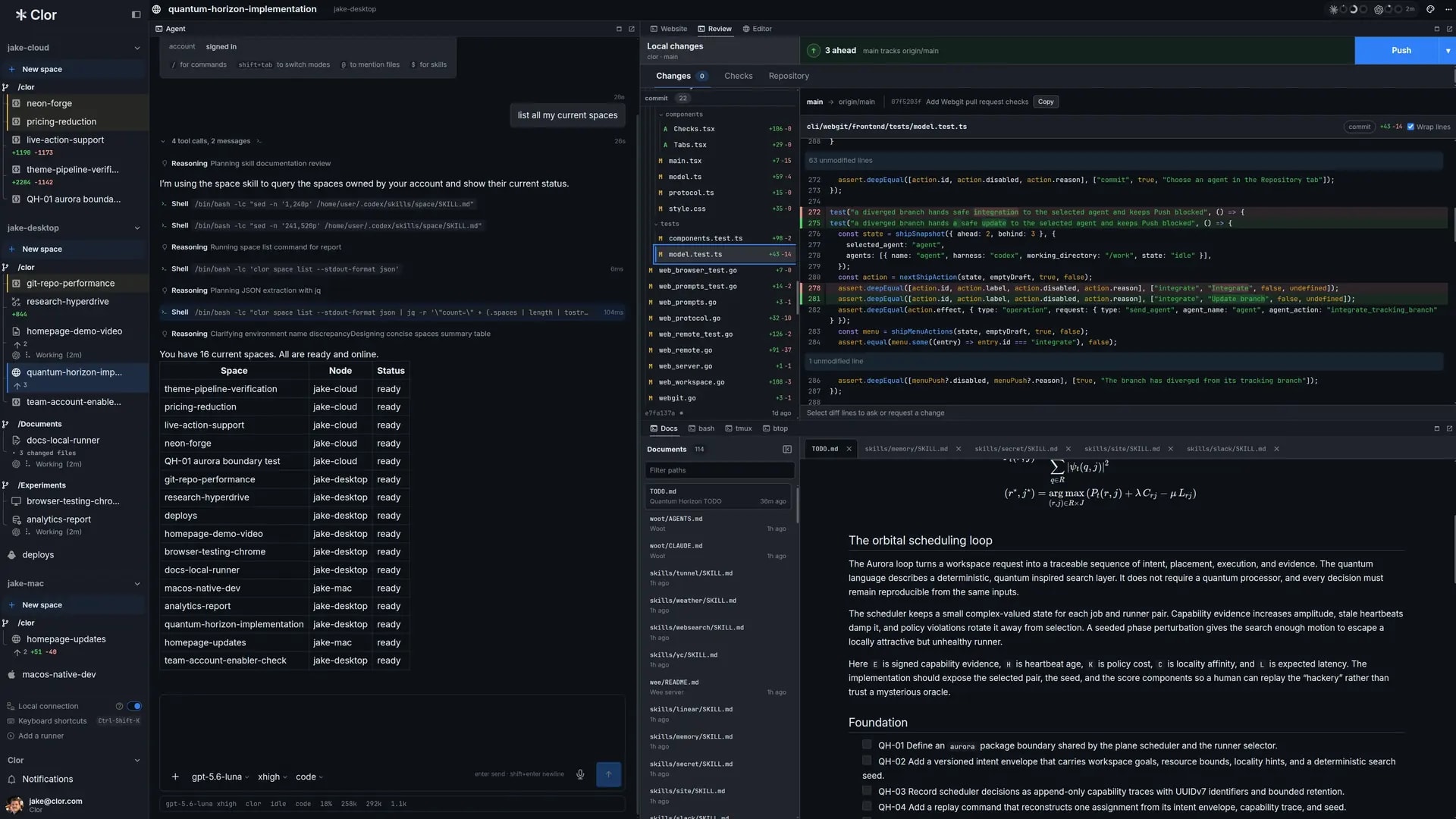
The rise of AI coding agents is fundamentally changing software development, shifting small teams from human-paced workflows to massive, parallelized code production. This transition mirrors the architectural modularity once pioneered by companies like Uber to manage scale.
The Paradigm Shift in Software Development
The traditional concept of a "small" software team is undergoing a radical transformation. Historically, a team of 5 to 10 engineers operated under the assumption of human-speed limitations, where code production was constrained by the cognitive and physical capacity of individuals to edit files sequentially. However, the introduction of AI-driven coding agents has shattered these constraints, pushing small teams to match the output previously reserved for massive, distributed engineering organizations.
The Uber Precedent: From Extreme to Standard
Uber’s well-documented architecture, which relies on thousands of microservices, was once viewed as an outlier or an extreme reaction to the bottlenecks of a monolithic codebase. By allowing hundreds of engineers to deploy independently, Uber eliminated the friction of a singular, congested merge queue. While this modular approach was previously restricted to tech giants, the current surge in AI agent adoption suggests that this level of architectural fragmentation is becoming the new baseline for even the smallest development units.
Quantifying the Productivity Explosion
To understand the magnitude of this shift, one must look at the data. A traditional small team might handle a modest flow of 50 commits, 20 pushes, and 10 pull requests on a busy day. In contrast, a modern team leveraging 20 to 100 AI agents running in parallel can generate 500 commits, 200 pushes, and 100 pull requests in the same timeframe. This represents a ten-fold increase in velocity, moving from a "single-threaded" development style—where one developer edits one file at a time—to a "multi-threaded" environment where agents execute tasks concurrently.
Implications for Code Ownership and Management
As small teams begin to mimic the output of large enterprises, the management of code ownership becomes increasingly complex. When hundreds of agents are pushing changes simultaneously, the traditional human-centric review process risks becoming a bottleneck. Teams are now forced to adopt the same micro-service and decoupled architecture patterns that Uber pioneered to ensure that code remains maintainable and that individual agents do not inadvertently cause system-wide failures.
Future Trends: The Age of Agentic Engineering
Looking ahead, we can expect the definition of a "developer" to evolve from a writer of code into an architect of agentic systems. The future of software engineering will not be defined by how many lines of code a human can type, but by how effectively a team can orchestrate a swarm of agents to build, test, and deploy features. Companies that fail to adopt these modular, agent-ready architectures will likely struggle to compete with the sheer velocity of teams that have embraced parallelized development workflows.
Conclusion
The era of the small, slow-moving software team is effectively over. By shifting to multi-threaded coding environments, modern teams are achieving levels of productivity that demand new organizational structures. As we embrace this transition, the lessons learned from scaling microservices will prove essential for maintaining quality and coherence in an increasingly automated development landscape.