Indian rider wins camel race in Dubai as over 40 expats from 28 nationalities compete
Source Entity
Latest News: Todays Latest News Headlines from India & World | Hindustan Times
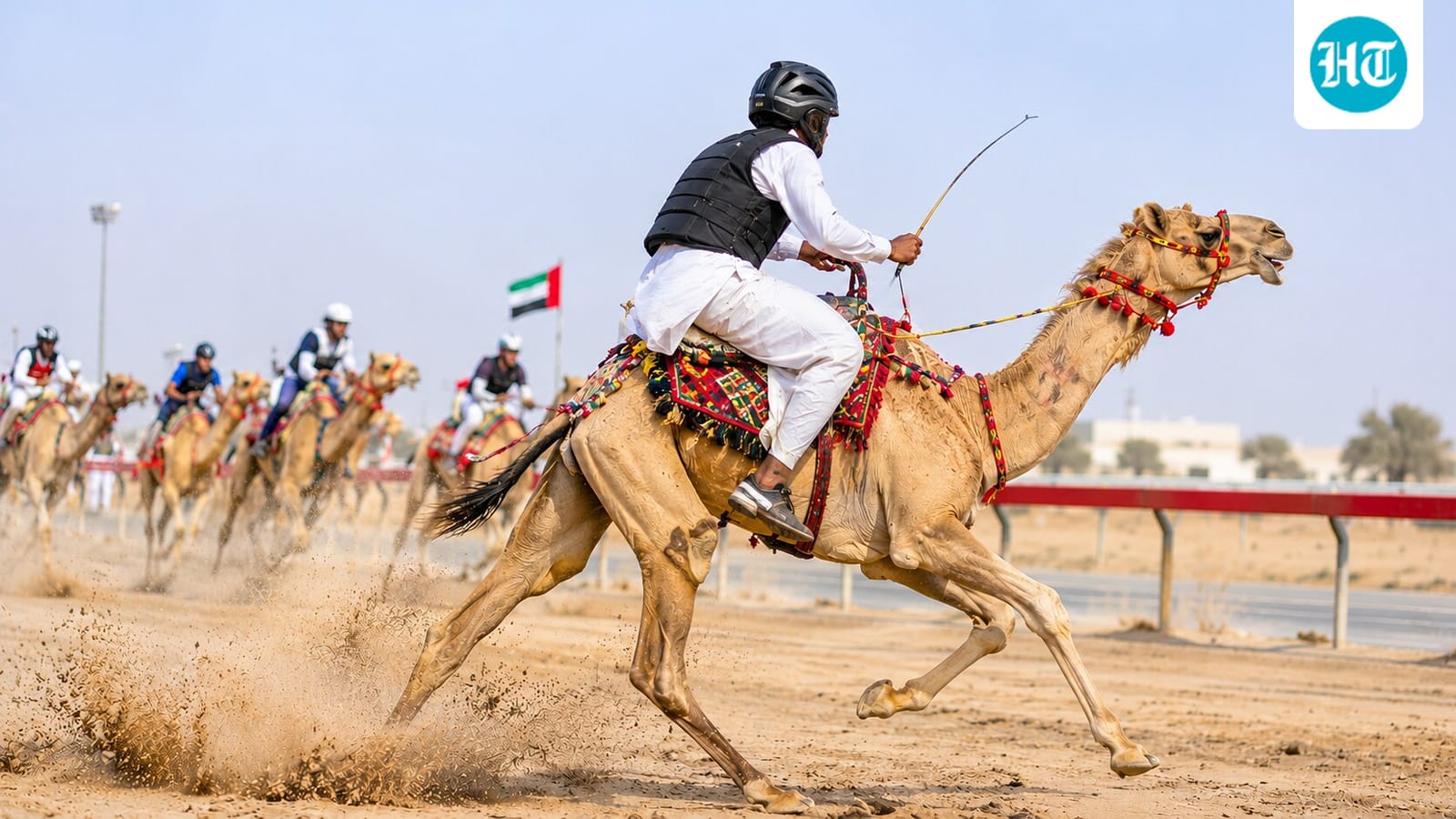
Indian expatriate Fateen Faisal emerged victorious in a 1,200-metre camel race held at Dubai's Al Marmoom circuit. The event, featuring over 40 participants from 28 nations, highlights the cultural integration of expatriates in Emirati heritage sports.
A Cultural Triumph: Indian Rider Wins at Dubai Camel Marathon
In a remarkable display of cultural integration and athletic prowess, Indian expatriate Fateen Faisal recently secured a notable victory at the Dubai Camel Racing Club. Competing in the 1,200-metre men's race during the first preliminary round of the eighth National Day Camel Marathon for Expatriates, Faisal outpaced a diverse field of competitors, including those from Egypt and China. This event serves as a powerful testament to the inclusive nature of traditional Emirati sports, which are increasingly being opened to the global community living within the UAE.
The Significance of the National Day Camel Marathon
The National Day Camel Marathon for Expatriates is an initiative organized by the Hamdan Bin Mohammed Heritage Centre, an organization dedicated to the preservation and promotion of UAE heritage. By inviting expatriates to participate in camel racing—a sport historically central to Bedouin life—the center is successfully bridging the gap between local traditions and the international population. The participation of over 40 individuals from 28 different nationalities underscores the event's role as a melting pot of cultures, fostering mutual respect and shared experiences through the lens of traditional heritage.
Al Marmoom: A Hub for Heritage and Sport
The race took place at the Al Marmoom Camel Racetrack, a venue synonymous with the professionalization of camel racing in the region. Unlike traditional, informal races, the Al Marmoom circuit provides a structured environment that allows both locals and residents to experience the complexities of camel handling and racing strategy. For participants like Fateen Faisal, competing here requires not just speed, but a deep understanding of the animal's temperament and the specific demands of the 1,200-metre track.
Bridging Global Communities Through Heritage
The victory of an Indian national in this specific event highlights the deep-rooted ties between India and the UAE. With a large Indian diaspora contributing significantly to the social and economic fabric of Dubai, their active participation in heritage events signifies a level of societal integration that goes beyond mere residency. It reflects a mutual desire to celebrate local customs, effectively turning national heritage into a shared global experience that transcends borders.
Future Trends in Expatriate Cultural Engagement
Looking ahead, the success of the eighth National Day Camel Marathon suggests that interest in heritage-based sports among expatriates is on the rise. As the Hamdan Bin Mohammed Heritage Centre continues to organize such events, we can expect to see higher levels of training and preparation among participants. This professionalization of expatriate racing could eventually lead to a more permanent, year-round racing circuit for international residents, further cementing the UAE's reputation as a leader in cultural diplomacy and traditional sports preservation.
Conclusion
Fateen Faisal’s win is more than just a athletic milestone; it is a symbol of the harmonious coexistence of diverse nationalities in Dubai. By participating in and mastering a sport that is so intrinsically linked to the history of the Arabian Peninsula, expatriates are not only learning about their host country but are also becoming active stakeholders in the preservation of its cultural identity. As these initiatives grow, they will continue to serve as a cornerstone for building community and celebrating the unique spirit of the UAE.
Verification Required?