Indian tourist killed, PIO injured as copters collide during Everest rescue
Source Entity
VISHANT V AGARWALA
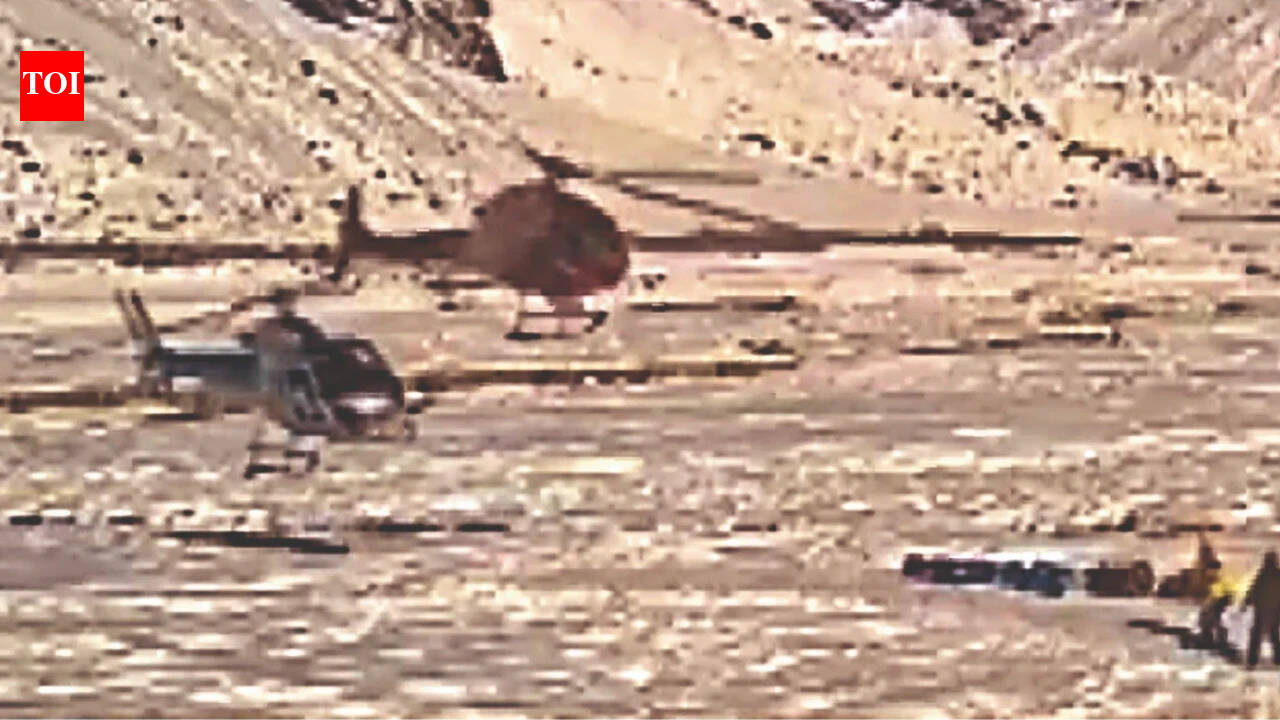
A tragic mid-air collision between two helicopters near Mount Everest's Pheriche helipad resulted in the death of an Indian tourist and injuries to two others. The accident occurred during a high-altitude rescue operation amid challenging weather conditions.
Tragedy Strikes at the Roof of the World: An Analysis of the Everest Helicopter Collision
The Incident Overview
On a Tuesday morning, a catastrophic aviation accident occurred near the Pheriche helipad, located approximately 12 kilometers south of the Mount Everest Base Camp. The collision involved two helicopters operating in a high-stakes environment, resulting in the tragic death of a 47-year-old tourist from Chennai. In addition to the fatality, an Indian-origin New Zealand citizen and a helicopter pilot sustained injuries during the incident, which occurred at an altitude where rescue operations are notoriously difficult and dangerous.
Operational Context and Environmental Challenges
The collision took place at approximately 8:11 AM, a time when aerial activity in the Everest region is typically at its peak. Reports indicate that one helicopter was engaged in the critical task of evacuating tourists who had become stranded due to heavy snowfall, while the second aircraft was performing logistics duties involving cargo transport. The proximity of the collision—barely 10 feet above the helipad—underscores the extreme constraints faced by pilots operating in the Himalayas, where narrow landing zones and unpredictable weather patterns require absolute precision.
The Mechanics of the Collision
According to preliminary reports, the rotor blades of the two choppers struck each other, leading to the immediate destabilization of the aircraft. In mountainous terrain, rotor clearance is a primary concern for pilots; however, the convergence of rescue and cargo traffic in a confined space created a scenario where human error or environmental factors likely overwhelmed standard safety protocols. This event highlights the inherent risks associated with high-altitude aviation, where thin air and localized turbulence can drastically alter aircraft handling.
Broader Implications for Himalayan Tourism
This accident raises significant questions regarding the safety management of the rapidly growing Everest tourism industry. As the number of trekkers and climbers increases, the demand for helicopter support has surged, leading to high traffic density at key transit points like Pheriche. The reliance on these aircraft for both emergency medical evacuations and routine supply delivery creates a complex air traffic management challenge that local authorities must now re-examine to prevent future tragedies.
The Future of High-Altitude Aviation Safety
Moving forward, the investigation into this collision will likely focus on communication protocols between pilots and ground controllers in the Khumbu region. The need for standardized air traffic control at remote helipads has never been more apparent. As Nepal continues to navigate the balance between accessible mountain tourism and the safety of those operating in its skies, this incident serves as a somber reminder of the fragility of life in the world's most extreme environments.
Conclusion
The loss of life in the Pheriche incident is a profound tragedy that reverberates through the international mountaineering community. While the focus remains on the recovery of the injured and the investigation of the wreckage, the incident serves as a critical catalyst for systemic improvements in Himalayan aviation safety. Enhanced training, stricter flight scheduling, and improved ground-to-air coordination are essential to ensuring that the vital lifeline provided by helicopter services does not become a source of further peril.