‘India is far superior to Italy’: Indian man complains after bad experience on Naples train with no AC
Source Entity
Latest News: Todays Latest News Headlines from India & World | Hindustan Times | Hindustan Times
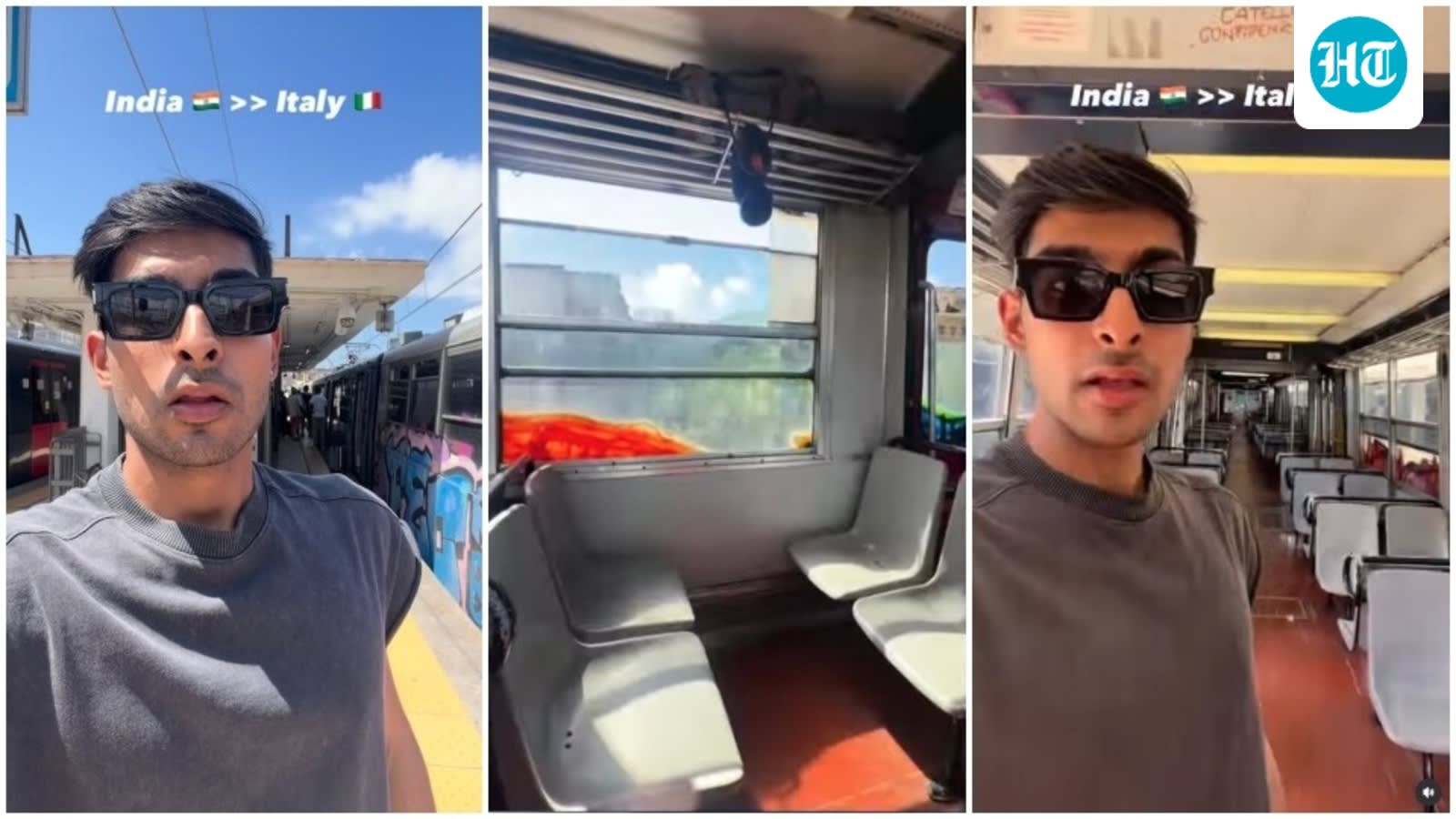
An Indian traveler's viral social media post comparing Indian and Italian public transport has ignited a heated online debate. The traveler criticized the lack of air conditioning and delays on a train from Sorrento to Naples, sparking discussions on infrastructure standards.
The Viral Critique: Infrastructure and Perception
A recent social media post by an Indian traveler named Binny has ignited a polarized debate regarding the comparative quality of public transportation systems between India and Italy. During a commute from Sorrento to Naples, the traveler experienced a significant delay, leaving passengers stranded at a station for nearly an hour. The central grievance centered on the lack of climate control, specifically the absence of air conditioning or fans both on the train and the platform, leading the traveler to assert that India is "far superior" to Italy in terms of passenger amenities.
Analyzing the Infrastructure Gap
The traveler's claim highlights a subjective experience that contrasts with the traditional perception of European public transit as highly efficient. While Italy's rail network is extensive, older regional lines—particularly those connecting tourist hubs like Sorrento and Naples—often utilize aging rolling stock that may lack modern climate control systems. In contrast, India’s massive investment in modernizing its railway infrastructure, including the introduction of Vande Bharat express trains and station upgrades, has significantly improved the passenger experience on high-traffic routes, creating a new baseline for what travelers expect.
The Role of Social Media in Global Discourse
This incident serves as a prime example of how individual anecdotes on platforms like Instagram can shape public perception and trigger cross-cultural debates. By documenting his frustration in real-time, the traveler tapped into a broader nationalistic discourse, drawing immediate reactions from both Indian and international audiences. The video highlights how modern travelers now use their personal experiences to challenge established narratives about "developed" versus "developing" nations, often focusing on specific service failures rather than systemic capabilities.
Contextualizing Travel Realities
It is important to contextualize this event within the broader scope of global travel. Public transport systems worldwide face challenges related to maintenance, budget constraints, and aging infrastructure. While a delay and lack of air conditioning in an Italian summer can be grueling, they represent localized service failures rather than a total indictment of a nation's transit network. The viral nature of the post suggests that the narrative of "India vs. Italy" resonated because it touched upon themes of national pride and the rapid pace of development in India's public sector.
Future Trends in Passenger Expectations
As global mobility increases, passenger expectations are becoming more standardized. Travelers who are accustomed to the modern, air-conditioned environments found in India's premium train services now expect similar standards globally. This trend suggests that transit authorities in popular tourist destinations will face mounting pressure to upgrade legacy systems to meet the demands of an increasingly globalized and vocal traveling public. This incident is likely not the last of its kind, as digital connectivity ensures that local service disruptions are increasingly subjected to international scrutiny.
Verification Required?