Indian woman praises swift US emergency response after swimmer rescued within minutes: ‘All facilities were ready’
Source Entity
Latest News: Todays Latest News Headlines from India & World | Hindustan Times | Hindustan Times
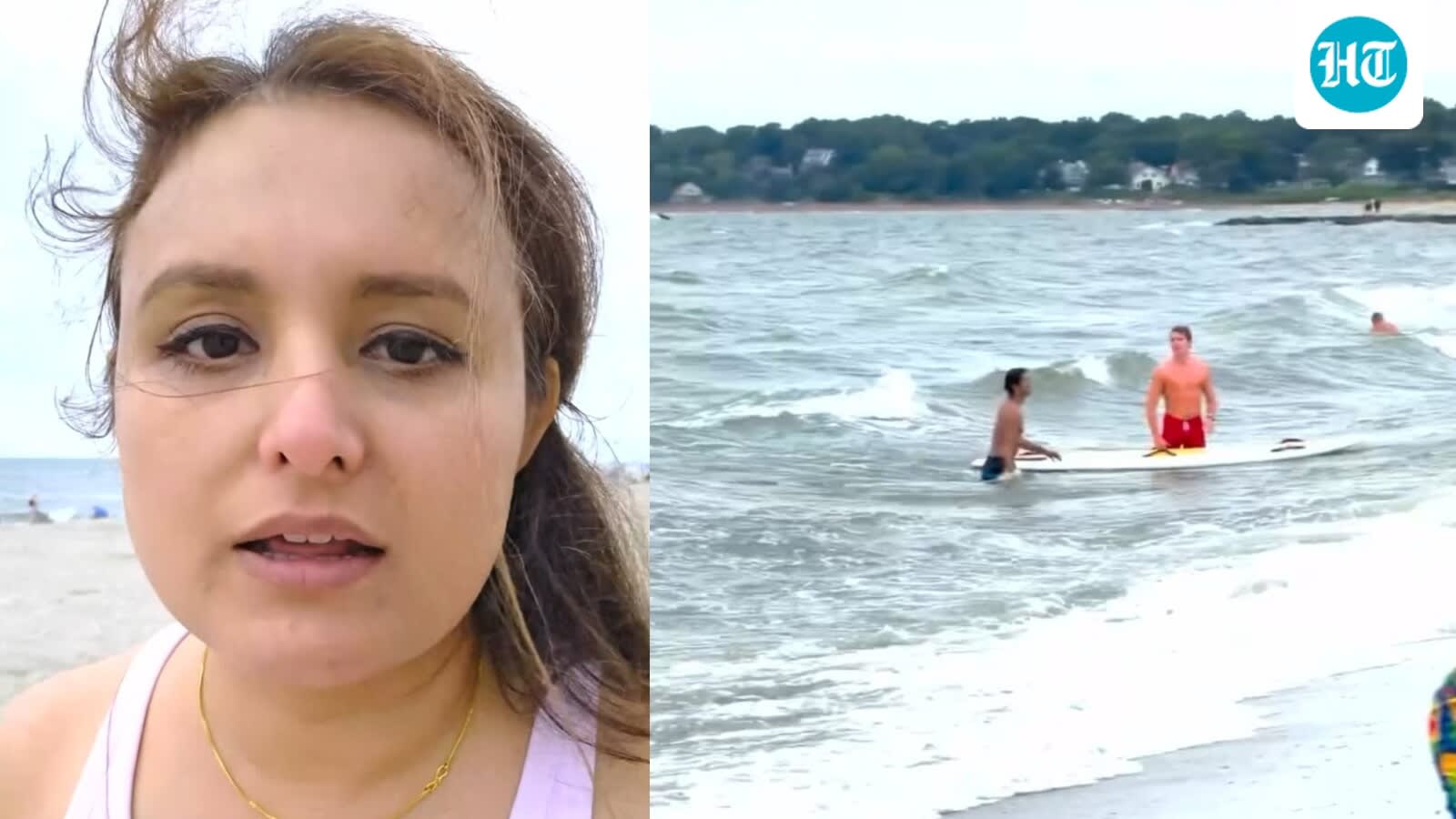
An Indian expatriate in the US recently praised the rapid and highly coordinated emergency response at a Connecticut beach. The incident highlights the effectiveness of American public safety protocols when dealing with water-related emergencies.
Swift Emergency Response at Hammonasset Beach: A Case Study in Public Safety
The Incident at Hammonasset
Recently, an Indian expatriate living in the United States, Sonal Chaudhary, took to social media to share a personal account of a life-saving emergency response she witnessed at Hammonasset Beach. The situation unfolded when a swimmer ventured too far into the sea, necessitating an immediate intervention. According to Chaudhary’s account, the response was not merely reactive but highly organized, involving a multi-agency effort that included lifeguards, paramedics, police officers, and park rangers.
Multi-Agency Coordination and Preparedness
What struck the observer most was the sheer speed and seamless coordination of the responders. Within five minutes of the distress signal, the beach was swarmed by emergency personnel, demonstrating a high level of institutional preparedness. This level of synergy between municipal police, medical services, and specialized park staff is a hallmark of the American public safety framework, which prioritizes rapid deployment to mitigate the risks of drowning and related beach injuries.
The Emphasis on Human Life
Chaudhary’s commentary reflects a broader sentiment often shared by international observers regarding the value placed on individual life within US public infrastructure. By highlighting that "all facilities were ready," she underscores the proactive nature of US beach management. This operational readiness—where equipment, personnel, and communication protocols are pre-positioned—serves as a critical deterrent to tragedy in high-traffic recreational zones.
Broader Implications for Public Safety
This event serves as a microcosm of the systemic approach to emergency management in the United States. The integration of local law enforcement and emergency medical services (EMS) into recreational zones like state parks ensures that help is never far away. Such frameworks are essential in mitigating the unpredictable nature of ocean swimming, where seconds often determine the difference between a successful rescue and a fatality.
Comparative Perspectives and Future Trends
The recurring nature of these positive testimonials—evidenced by similar accounts of rapid responses in other parts of the US—suggests a consistent standard of care across various jurisdictions. As public interest in outdoor recreation continues to grow, the reliance on these robust emergency networks will remain a foundational pillar of public trust. The ability of US agencies to maintain these standards under pressure remains a significant factor in the perceived safety of American public spaces for both residents and international visitors.
Conclusion
In summary, the rescue at Hammonasset Beach highlights the efficacy of well-funded and highly coordinated emergency services. By ensuring that multiple agencies are prepared to act in unison, the US creates a safety net that protects the public during moments of crisis. Such accounts not only provide reassurance to the public but also reinforce the importance of maintaining investment in emergency infrastructure to preserve human life.
Verification Required?