Indiana executes Jeffrey Weisheit; two others set to be put to death in Florida and Alabama
Source Entity
Latest News: Todays Latest News Headlines from India & World | Hindustan Times
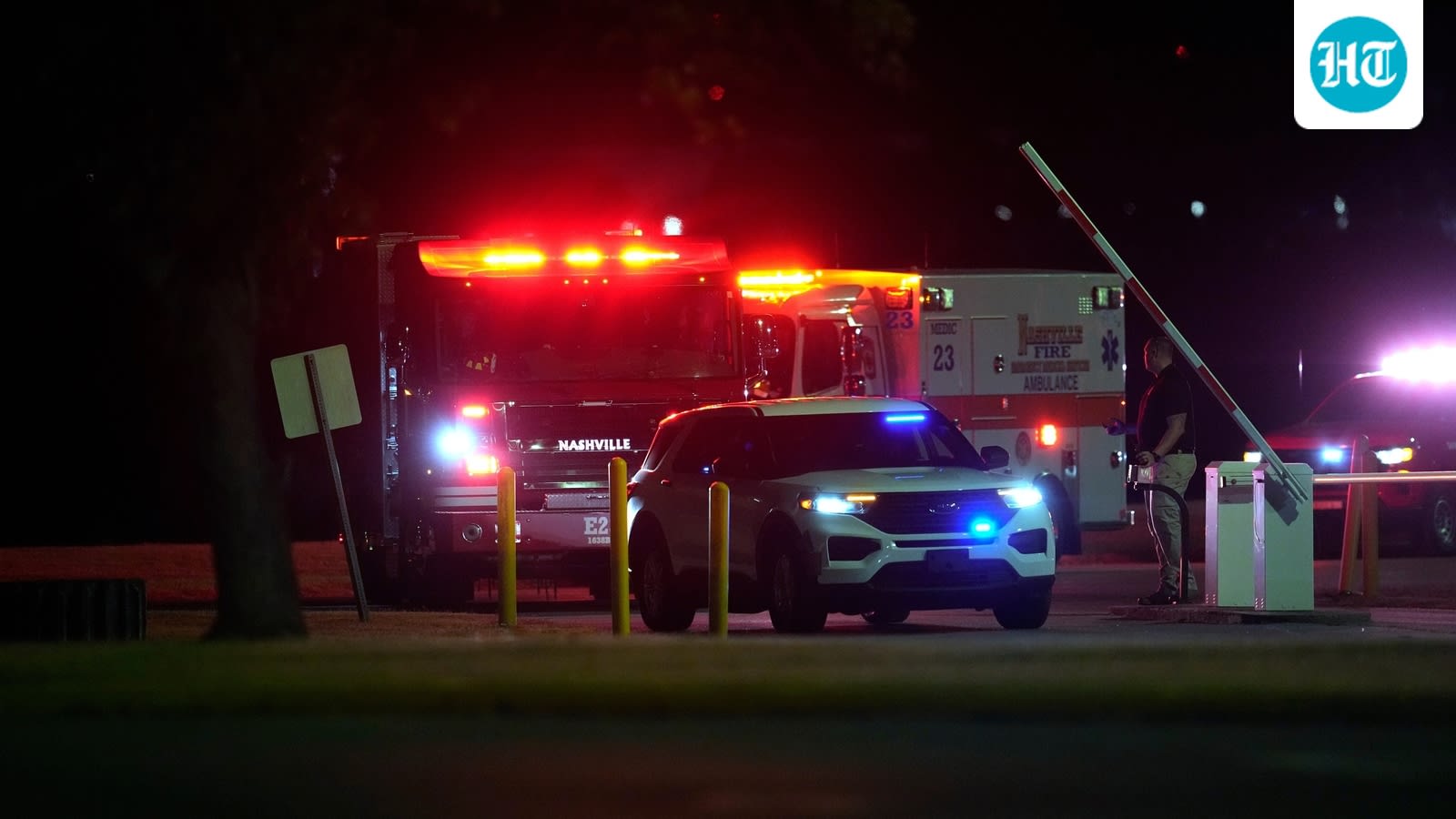
Indiana executed Jeffrey Weisheit for a 2010 double murder, marking the start of a rare day featuring three scheduled executions across the U.S. This event highlights the ongoing national debate surrounding capital punishment as Florida and Alabama proceed with their own scheduled lethal injections.
The Resurgence of Capital Punishment in the United States
On Thursday, November 5, the United States saw a rare convergence of capital punishment cases as three separate states scheduled executions for a single day. The process began in Indiana, where 50-year-old Jeffrey Weisheit was executed by lethal injection. Weisheit had been on death row for his conviction in the 2010 murders of his girlfriend’s two children—aged 8 and 5—whom he killed by setting fire to a home near Evansville, Indiana. The tragedy was rooted in a deteriorating domestic relationship, a factor that underscores the often-volatile nature of the crimes that lead to the ultimate sentencing of death.
A Rare Triple Execution Day
The execution of Weisheit marked the first of three such procedures scheduled across the nation for that day, with Florida and Alabama following suit. This occurrence represents the second time in 2025 that three individuals have been slated for execution on the same calendar day, according to reports from the Associated Press. This clustering of executions highlights the administrative and judicial momentum currently present in states that maintain active death penalty protocols, despite long-standing national debates regarding the morality and efficacy of the practice.
Regional Enforcement and Political Context
The executions in Florida and Alabama, which targeted men convicted of killing older adults during home robberies, reflect a broader trend in state-level criminal justice. Notably, Florida’s involvement brings its total number of executions for the year to 19 under Governor Ron DeSantis, effectively matching a record set in 2025. This underscores a persistent commitment to capital punishment in certain jurisdictions, even as other states move toward moratoriums or complete abolition of the death penalty.
The Shadow of Procedural Scrutiny
This wave of activity arrives during a period of heightened national scrutiny regarding the mechanics of lethal injection. The conversation was significantly reignited following the failed execution of Christa Pike in Tennessee earlier in September. Despite Pike surviving two doses of the lethal cocktail, courts have generally continued to reject legal challenges aimed at halting executions in other states, allowing the current schedule to proceed largely unabated.
Future Trends and Judicial Outlook
The persistent use of the death penalty, evidenced by the events of November 5, suggests that the legal landscape remains deeply divided. While legal advocates continue to challenge the constitutionality of lethal injection protocols—citing risks of cruelty and procedural error—the judiciary appears increasingly hesitant to grant broad stays of execution. As states like Indiana, Florida, and Alabama continue to carry out sentences, the debate over capital punishment will likely remain a defining and contentious aspect of the American legal system for the foreseeable future.
Verification Required?