He went to Russia to study. Rs 3 lakh visa took him to Ukraine war zone instead
Source Entity
Anju Agnihotri Chaba
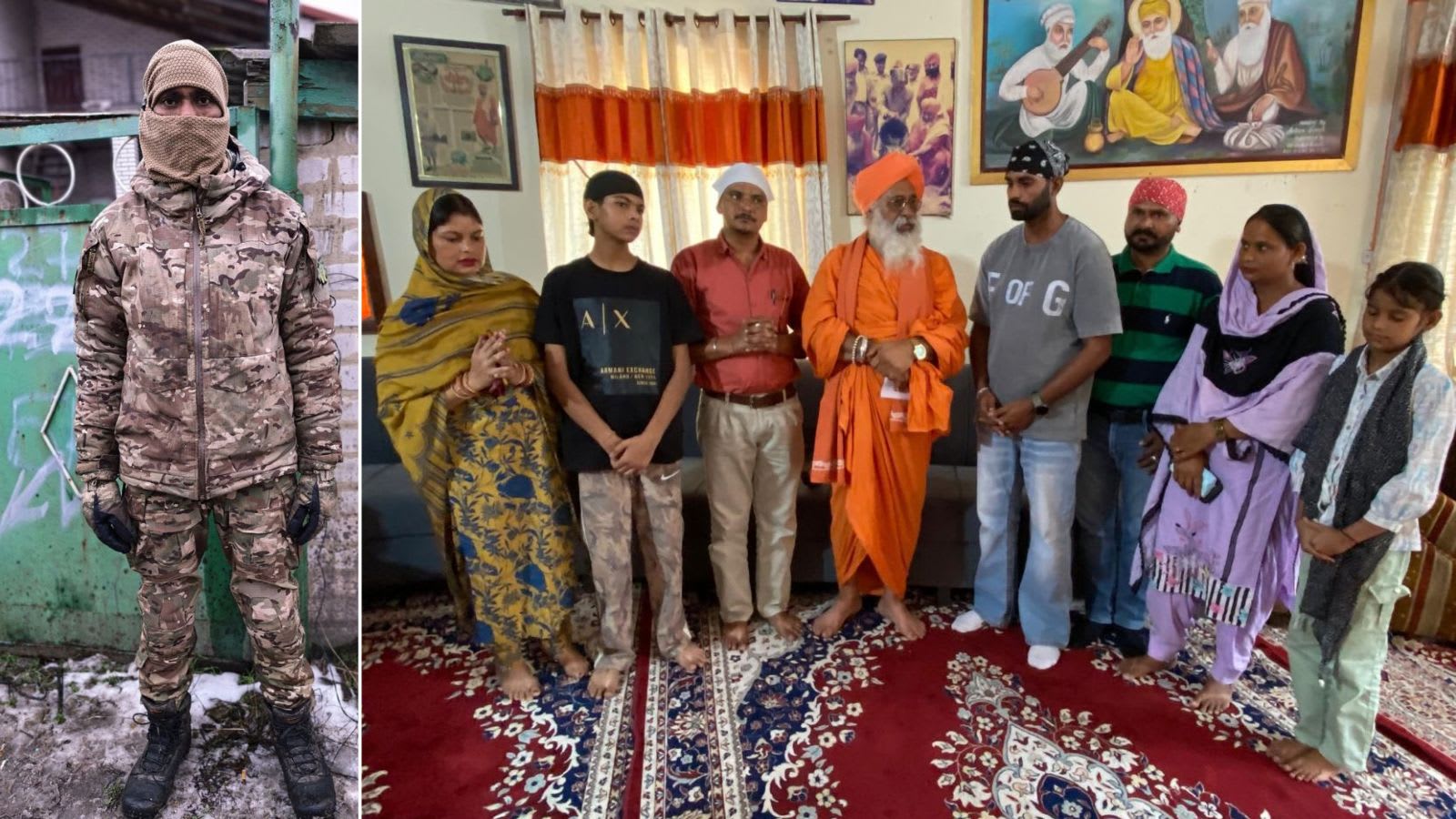
Indian nationals are being lured to Russia by fraudulent job agents with promises of employment, only to be forced into the frontlines of the Russia-Ukraine war. Investigations are underway as families desperately seek the repatriation of their loved ones trapped in the conflict zone.
The Desperate Lure of Foreign Employment
The recent accounts of Indian nationals like Gagandeep Singh from Punjab and D. Kishan from Telangana reveal a disturbing pattern of human trafficking disguised as legitimate overseas recruitment. These individuals, seeking to improve their economic conditions, were lured by agents with promises of stable employment in Russia. Instead of the job opportunities they were promised, these men found themselves navigating the lethal reality of the Russia-Ukraine war, forced into combat roles that they never signed up for.
The Mechanics of Exploitation
The modus operandi identified in these cases involves local job agents who capitalize on the aspirations of individuals from modest backgrounds. By charging exorbitant fees—ranging from Rs 2.5 lakh to Rs 3 lakh—these agents facilitate travel under the guise of student or work visas. Once the victims arrive in Russia, the reality shifts drastically. The victims, lacking the language skills or legal protection to protest, are often coerced into military service, turning their pursuit of a better life into a struggle for survival against drones and landmines.
Psychological and Economic Drivers
For many of these victims, the decision to move abroad is rooted in profound personal loss and economic stagnation. Gagandeep Singh, a yoga teacher, was driven by the trauma of losing his parents, while others are motivated by the need to support their families back home. The agents exploit this vulnerability, offering a false sense of security through the promise of foreign wages. The tragic irony is that these individuals leave behind stable, albeit modest, lives in India, only to be thrust into a high-risk combat environment.
Law Enforcement and Diplomatic Challenges
As families of the victims raise alarms, local law enforcement agencies, such as the Yellareddypet police, have begun intensifying investigations into these recruitment rackets. The challenge lies in the transnational nature of these crimes. While the Indian government is tasked with the complex diplomatic effort of repatriating citizens from active war zones, the local agents operate within a shadow economy that is difficult to dismantle. The calls for a thorough probe into illegal recruitment are essential to curbing this trend.
Broader Implications and Future Trends
This trend poses a significant threat to the security of Indian citizens and highlights a major gap in the regulation of overseas employment agencies. If left unchecked, the proliferation of such human trafficking networks could continue to endanger more lives, complicating India's diplomatic relations and creating long-term humanitarian crises. Future efforts must focus on stricter scrutiny of visa applications for high-risk destinations and enhanced public awareness campaigns to warn potential migrants about the dangers posed by unlicensed recruitment agents.
Conclusion
The harrowing experiences of Singh and Kishan serve as a sobering reminder of the costs associated with unregulated job migration. As investigations continue, the focus must remain on the safe return of those still trapped in the conflict zone and the prosecution of those who profit from such dangerous deception. Protecting vulnerable citizens from being coerced into geopolitical conflicts is an urgent priority for both state and central authorities.