World War II: The unsung role of India and its soldiers in the global conflict
Source Entity
India Latest News: Top National Headlines Today & Breaking News | The Hindu
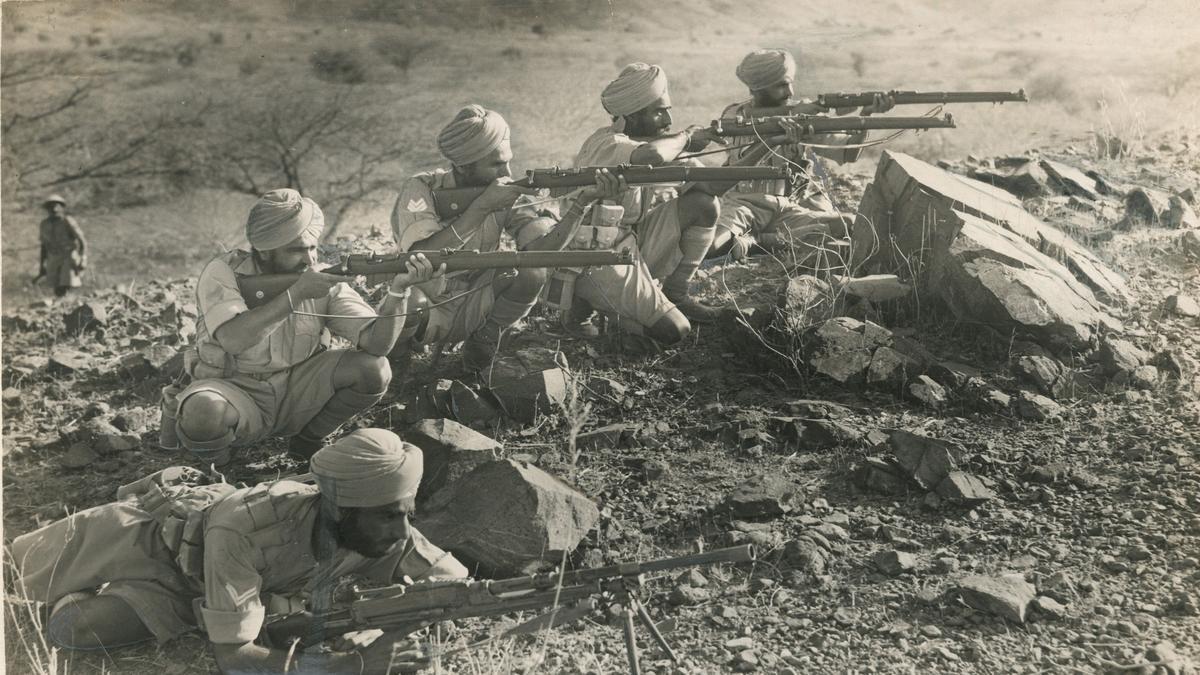
India's critical contribution of the largest volunteer force during World War II remains historically under-documented. Despite the global scale of the conflict, the experiences and sacrifices of Indian soldiers lack a comprehensive archival presence.
The Overlooked Contribution: India’s Role in WWII
The Second World War, spanning from the German invasion of Poland on September 1, 1939, to the formal surrender of Imperial Japan on September 2, 1945, fundamentally reshaped the geopolitical landscape of the 20th century. While historical discourse often centers on the European and Pacific theaters through the lenses of the primary Allied powers—Great Britain, the Soviet Union, the United States, France, and China—the narrative frequently obscures the massive logistical and human contributions made by colonial forces. Among these, India’s role stands out as a profound, yet systematically underrepresented, chapter of global military history.
The Largest Volunteer Force in History
One of the most staggering facts of the conflict is that India fielded the largest volunteer army in history. Millions of Indian soldiers were deployed across four continents, fighting on diverse battlefields to support the Allied effort against the Axis powers, which included Nazi Germany, Italy, and Imperial Japan. These troops were not merely auxiliary units; they were central to key campaigns that determined the trajectory of the war. Despite this massive involvement, the individual and collective experiences of these millions remain largely absent from the mainstream global historical narrative.
The Grim Reality of a Global Conflict
To understand the scale of the Indian contribution, one must acknowledge the sheer magnitude of the devastation during those six years. The war resulted in the loss of approximately 85 million lives, a staggering toll driven not only by direct combat but by mass killings, genocide, systemic starvation, and the rapid spread of disease. This conflict also holds the dark distinction of being the only war in which nuclear weapons were deployed, an event that marked the beginning of the atomic age and permanently altered the nature of global security.
The Archival Gap and Historical Memory
Despite the scale of India's participation, there is a notable deficit in comprehensive archives that document the lives, struggles, and battlefield experiences of Indian soldiers. This archival silence has left a void in the historiography of the war, where the personal narratives of these millions of volunteers remain unrecorded or scattered. This lack of documentation hampers our ability to fully grasp the complexities of the colonial experience during the war and how these soldiers perceived their role in a conflict that was simultaneously a fight for global freedom and an extension of imperial authority.
Broader Implications and Future Research
Addressing this historical gap is essential for a more inclusive understanding of World War II. Recognizing the Indian contribution forces a re-evaluation of the 'Allied' narrative, shifting the focus from purely Western-centric perspectives toward a more globalized, nuanced history. Future trends in historiography are likely to focus on digitizing oral histories and uncovering local records to piece together the experiences of the Indian volunteers. By bridging this gap, historians can provide a more accurate account of the war that honors the sacrifices of those who served on the front lines, ensuring their legacy is no longer relegated to the margins of history.
Verification Required?