IndiGo aircraft’s belly scrapes runway again; plane grounded
Source Entity
India Latest News: Top National Headlines Today & Breaking News | The Hindu
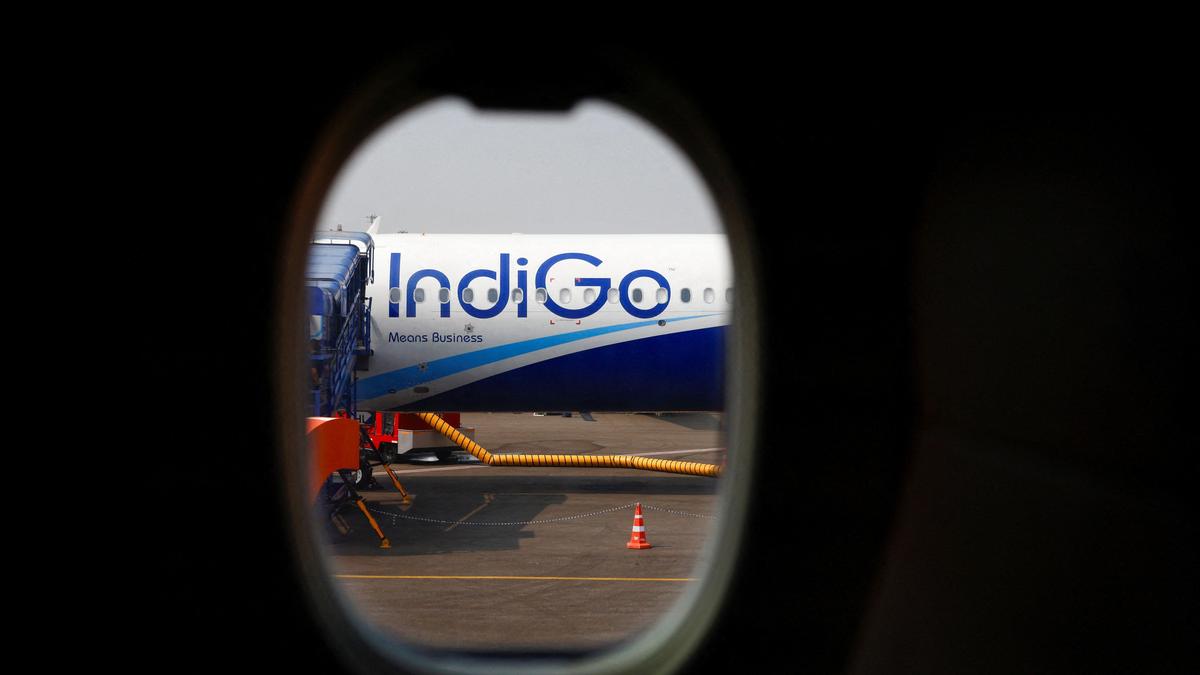
An IndiGo Airbus A321neo suffered a tail-strike incident while landing in Gorakhpur, leading to the aircraft being grounded. This marks the eighth such incident involving the A321 fleet since 2023, raising concerns regarding operational safety protocols.
Analysis of the Recent IndiGo A321neo Tail-Strike Incident
The Incident at Gorakhpur
An Airbus A321neo operated by IndiGo recently suffered a tail-strike during its landing sequence at Gorakhpur airport. The incident, which occurred on August 19, resulted in the grounding of the aircraft as it underwent technical inspection to assess the structural integrity of the fuselage. This specific flight, arriving from Delhi, marks yet another event in a concerning series of similar occurrences that have plagued the airline's operations over the past two years.
The Vulnerability of the A321 Fuselage
Industry experts note that the Airbus A321 is uniquely susceptible to tail-strike events due to its extended fuselage length compared to the A320 or A319 models. This increased length reduces the clearance angle during the rotation or flare phases of flight. If a pilot executes a landing with an overly aggressive pitch or fails to manage the descent rate properly, the rear section of the fuselage is highly likely to make contact with the runway surface, leading to the damage observed in this recent case.
A Pattern of Operational Concerns
This event is not an isolated occurrence but rather the latest in a troubling trend. According to industry reports, this incident represents at least the 10th tail-strike involving IndiGo aircraft since 2023. Of these 10 events, eight have specifically involved the A321 fleet, while the remaining incidents involved an A320 and an ATR regional aircraft. The frequency of these events suggests a potential systemic issue in pilot training, landing techniques, or operational monitoring, despite the lack of official public data from the airline regarding these incidents.
Safety Protocols and Regulatory Implications
When a tail-strike occurs, the primary concern is the potential for structural fatigue or damage to the pressure bulkhead and lower fuselage skin. Grounding the aircraft is a mandatory safety precaution to allow for a comprehensive non-destructive testing (NDT) inspection. Regulators must now evaluate whether these recurring incidents are a result of individual pilot error or a broader deficiency in the airline's standard operating procedures (SOPs) regarding heavy aircraft handling.
Moving Toward Future Mitigation
To prevent further incidents, it is likely that the airline will need to implement enhanced simulator training specifically targeting A321 landing characteristics. As the airline continues to expand its fleet with more A321neo aircraft, which are favored for their fuel efficiency and capacity, the pressure to maintain safety standards during landing becomes paramount. The aviation industry will be watching to see if IndiGo introduces more rigorous monitoring systems to track landing performance and prevent future fuselage damage.
Verification Required?