Individual investors are dumping stocks at the fastest pace since the COVID crash
Source Entity
Christine Idzelis
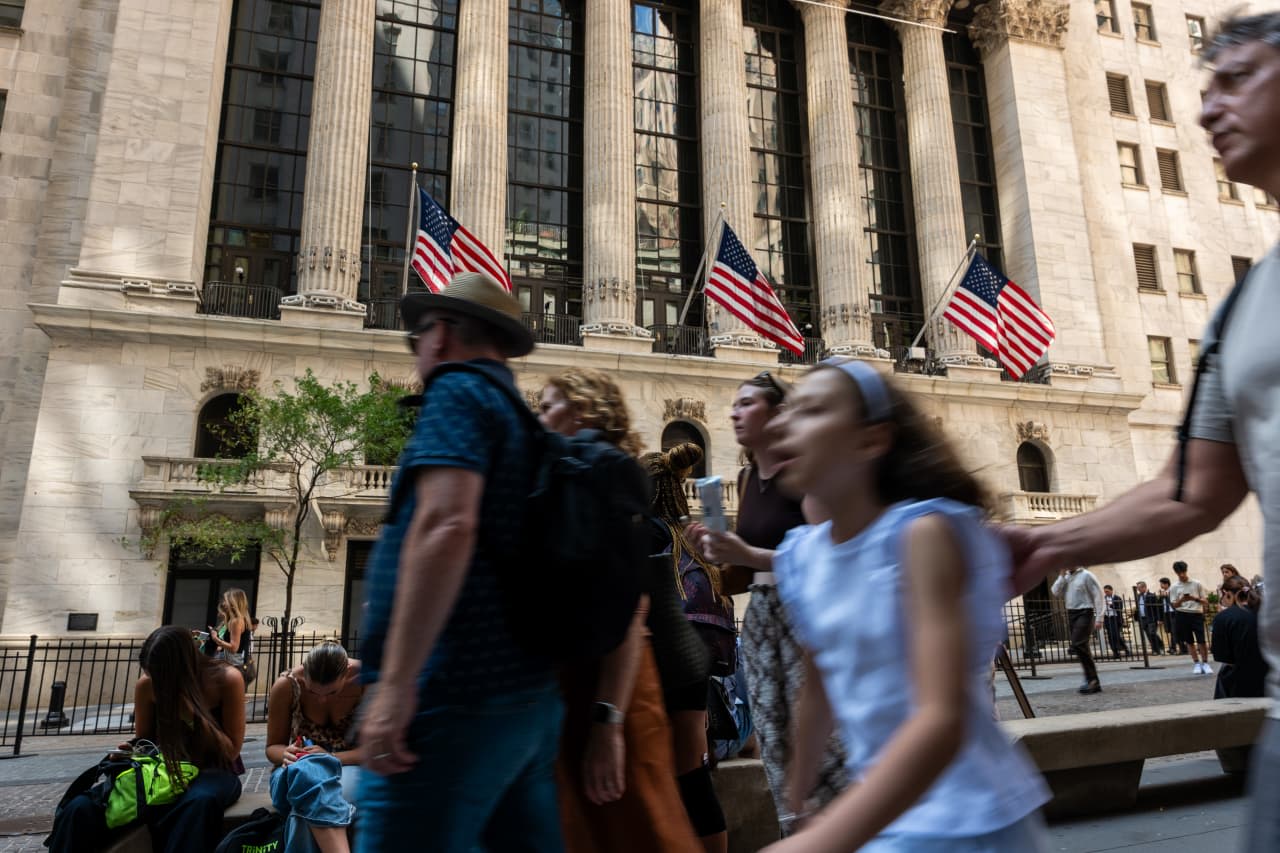
Individual investors have offloaded single stocks at their highest rate since the 2020 market crash, according to data from Vanda Research. This shift reflects a significant change in retail sentiment and market participation.
Retail Investor Sentiment Shift
Recent data from Vanda Research indicates a dramatic pivot in market behavior, with individual investors recording their largest net selling of single stocks since the onset of the COVID-19 pandemic. This trend marks a stark reversal from the 'meme stock' era and the aggressive retail buying patterns that characterized the post-2020 recovery period. As retail participants exit positions, it suggests a cooling of the speculative fervor that defined the previous few years of market volatility.
Analyzing the Exit Strategy
The scale of this sell-off is particularly notable because it mirrors the panic-selling observed during the 2020 market collapse. Unlike that period, which was driven by an exogenous global shock, the current liquidation appears to be a calculated response to macroeconomic pressures. High interest rates, persistent inflation, and concerns over corporate earnings have likely eroded the conviction of individual traders who were previously bolstered by low borrowing costs and fiscal stimulus.
The Macroeconomic Context
To understand why retail investors are pulling back, one must look at the broader financial landscape. Since the COVID crash, the Federal Reserve has shifted from a policy of quantitative easing to aggressive monetary tightening. This transition has significantly increased the opportunity cost of holding volatile equities. When risk-free assets like Treasury bonds offer competitive yields, the incentive to hold speculative single stocks diminishes, leading to the net selling behavior identified by Vanda Research.
Implications for Market Volatility
Historically, retail investors have acted as a form of 'liquidity provider' during market dips. When this demographic shifts to net selling, the market loses a significant buffer that often helps stabilize prices during corrections. The absence of this buying pressure could lead to increased market fragility, as institutional algorithms and professional traders now dominate the daily flow without the counterbalance of retail enthusiasm.
Future Trends and Outlook
Looking ahead, this trend may signal a long-term normalization of market participation. If retail selling persists, we may see a transition back to more traditional valuation-based investing, where individual investors favor diversified index funds or ETFs over the high-risk, single-stock strategies that defined the early 2020s. The market is likely entering a phase where fundamentals, rather than social sentiment or speculative momentum, dictate price action.
Conclusion
The findings from Vanda Research serve as a critical barometer for current market sentiment. The fact that retail investors are offloading single stocks at a pace not seen since the COVID crash underscores a fundamental shift in risk appetite. As the financial environment continues to evolve, the behavior of these individual participants will remain a key indicator of broader economic confidence and market stability.
Verification Required?