Indonesian stocks plunge to six-year low as MSCI downgrade fears mount
Source Entity
US Top News and Analysis
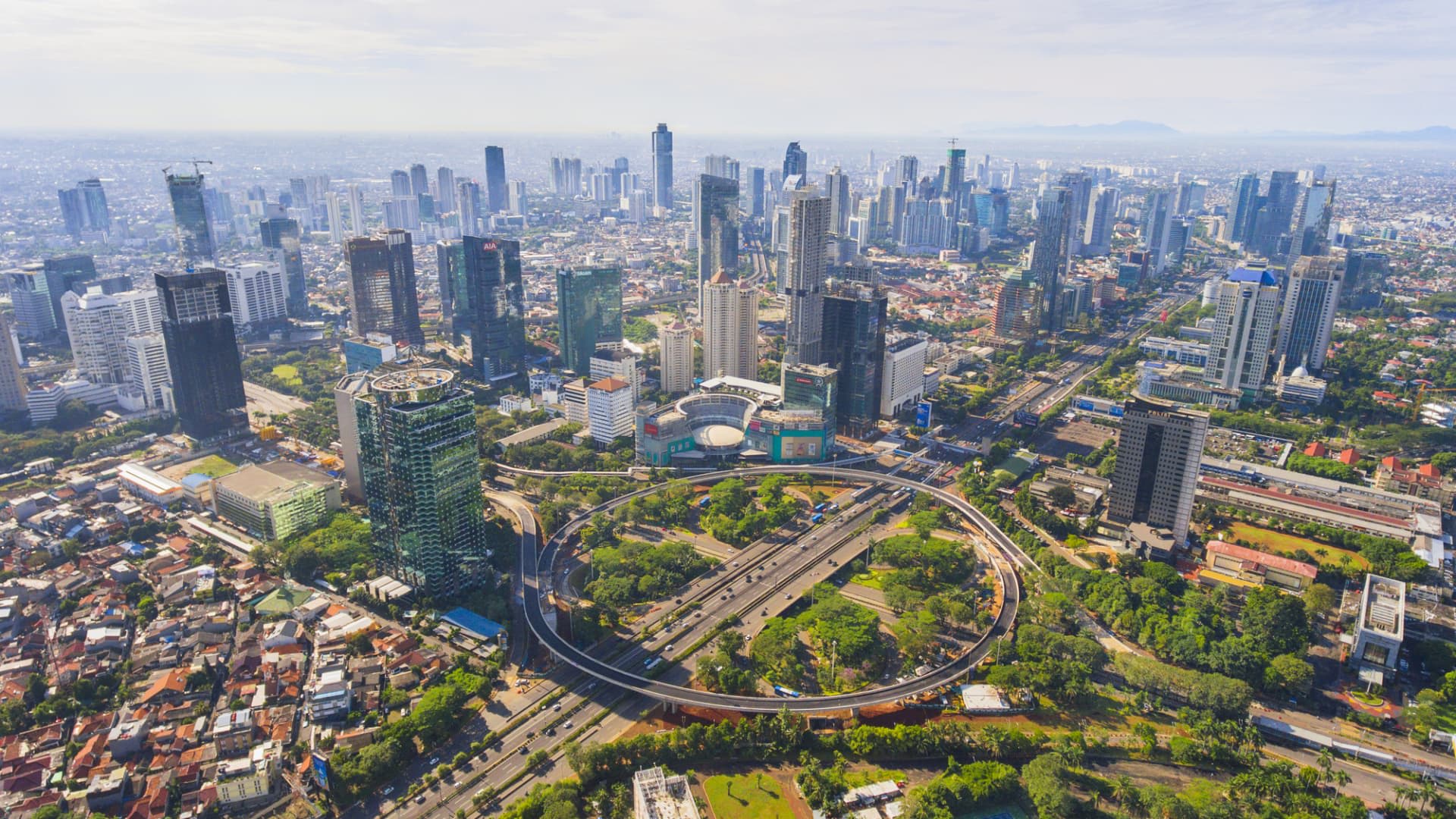
Indonesia's stock market has hit a six-year low following MSCI's proposal to downgrade the nation from an emerging market to stand-alone status. The potential reclassification has triggered significant foreign investor outflows, with a final decision expected by June.
Indonesia Market Turmoil: The MSCI Reclassification Crisis
Indonesia's financial markets are facing a period of extreme volatility, as the Jakarta Composite Index (JCI) plummeted by over 5% this past Monday. This sharp downturn has pushed the index to its lowest valuation since October 2020, representing a significant six-year low. The catalyst for this sudden erosion of investor confidence is the recent announcement by index provider MSCI, which has proposed reclassifying Indonesia from its current status as an emerging market to a 'stand-alone' market classification.
The Mechanics of the MSCI Sell-off
The prospect of a reclassification has sent shockwaves through the investment community because of the ripple effect it creates for passive investment funds. Global equity benchmarks, which track MSCI indices, would be forced to divest their holdings in Indonesian assets if the country is removed from the emerging market basket. This potential forced selling has exacerbated fears of sustained foreign capital flight, as institutional investors prioritize liquidity and benchmark compliance over long-term local exposure.
Governance and Transparency Challenges
At the heart of the MSCI proposal is a critical assessment of Indonesia's market governance and transparency standards. MSCI has indicated that the decision to downgrade is not final, with a definitive ruling expected by June. This window provides a narrow opportunity for Indonesian authorities to implement structural reforms that address concerns regarding market accessibility and regulatory clarity. The threat of reclassification serves as a stern warning that global capital markets demand high standards of institutional transparency to maintain emerging market status.
Institutional Warning Signals
Leading financial institutions have begun to quantify the severity of this shift. A note released by Goldman Sachs on Sunday highlighted the risks associated with this potential transition, warning of the adverse impact on capital inflows. When major investment banks issue such warnings, it often acts as a self-fulfilling prophecy, accelerating the pace of selling as market participants attempt to reduce their risk exposure ahead of potential index deletions.
Historical Context and Future Implications
Historically, Indonesia has benefited significantly from its inclusion in emerging market indices, which have served as a magnet for foreign direct investment and portfolio capital. A move to 'stand-alone' status would essentially isolate the market from the massive pools of capital that are mandated to invest only in recognized emerging or developed markets. Should the downgrade occur, Indonesia may face a long, uphill battle to regain its status, necessitating years of regulatory reform and market liberalization to satisfy international investors.
Conclusion: A Path Forward
The coming months will be a defining period for Indonesia’s financial landscape. The government and regulatory bodies must engage in proactive dialogue with index providers to demonstrate progress. Failure to address these governance concerns could lead to a structural shift in the country's economic standing, making it harder for local firms to attract international capital in the foreseeable future.