Indonesia Wildfires: Thick Haze Chokes Pangkalan Bun After Months Of Smoke
Source Entity
Latest News: Todays Latest News Headlines from India & World | Hindustan Times | Hindustan Times
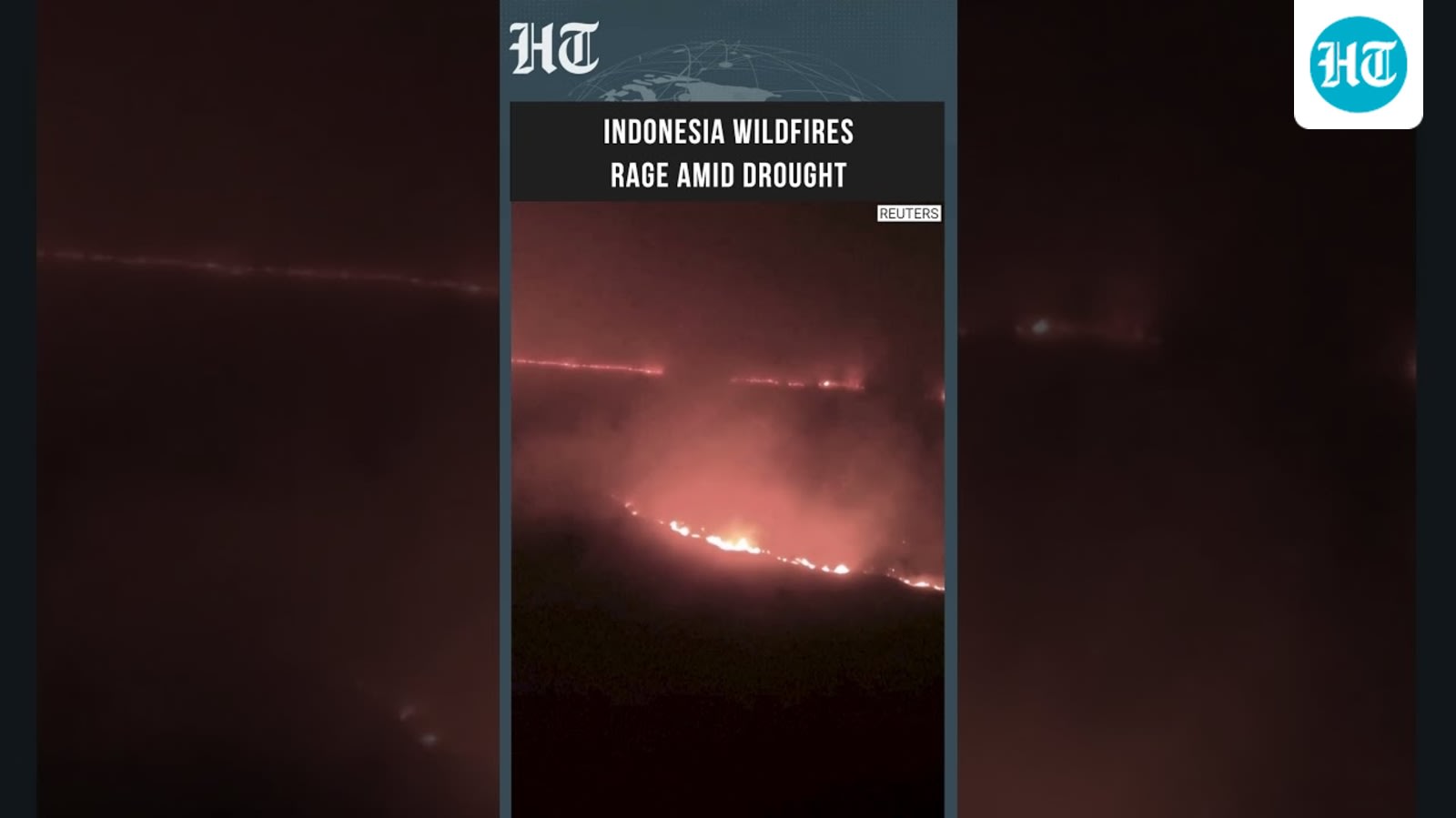
Pangkalan Bun in Indonesia is suffering from hazardous air quality caused by persistent wildfires exacerbated by severe drought. The crisis has severely disrupted local business and daily life as firefighters struggle against difficult terrain and water shortages.
The Environmental Crisis in Central Kalimantan
The city of Pangkalan Bun in Indonesia’s Central Kalimantan province is currently enduring a severe environmental crisis as thick, toxic haze from ongoing wildfires blankets the region. For months, residents have been forced to navigate an atmosphere that fluctuates between unhealthy and hazardous levels, significantly impacting public health and the fundamental rhythm of daily existence. This sustained exposure to particulate matter presents immediate risks to the respiratory and cardiovascular health of the local population.
The Anatomy of the Wildfire Crisis
At the heart of this disaster are thousands of active fire hotspots identified by authorities. These fires are not merely isolated incidents but are part of a broader, systemic challenge fueled by a prolonged period of drought. The lack of rainfall has dried out the peatlands and vegetation, creating a tinderbox environment that is highly susceptible to ignition. Once these fires take hold, they become notoriously difficult to extinguish, often smoldering underground for extended periods.
Operational Hurdles for Firefighting Efforts
Efforts to mitigate the disaster are being severely hampered by a convergence of logistical and environmental obstacles. Firefighters are contending with rugged, difficult terrain that limits the deployment of heavy equipment, while a critical shortage of water—exacerbated by the very drought that started the fires—prevents effective suppression tactics. Without sufficient water to douse the flames or saturate the peat, ground crews are finding it nearly impossible to contain the spread.
Socio-Economic Repercussions
The economic impact on Pangkalan Bun is profound and multifaceted. Small businesses have reported significant disruptions, as the hazardous air quality forces closures and discourages the movement of goods and people. The haze acts as a barrier to commerce, reflecting the vulnerability of local economies to climate-induced disasters. As the smoke lingers, the financial strain on the community deepens, threatening the livelihoods of those dependent on outdoor labor and local trade.
Future Outlook and Policy Implications
Looking ahead, the situation in Central Kalimantan highlights the urgent need for more robust disaster preparedness and climate-resilient infrastructure. As climate patterns become more unpredictable, the frequency of such droughts may increase, necessitating a shift toward proactive fire management strategies, such as better water management systems and early detection technology. The current crisis serves as a stark reminder that environmental health is inextricably linked to economic stability and social well-being in the region.
Conclusion
In summary, the wildfire crisis in Pangkalan Bun is a multifaceted challenge that combines environmental extremes with logistical constraints. While local authorities continue to battle the fires, the path to recovery remains contingent on a change in weather patterns and sustained support to overcome the resource shortages currently hindering firefighting operations. The situation remains a critical focal point for regional stability.
Verification Required?