A look inside Gwalior royal family's palace featuring the world's largest pair of chandeliers, grand architecture
Source Entity
Latest News: Todays Latest News Headlines from India & World | Hindustan Times | Hindustan Times
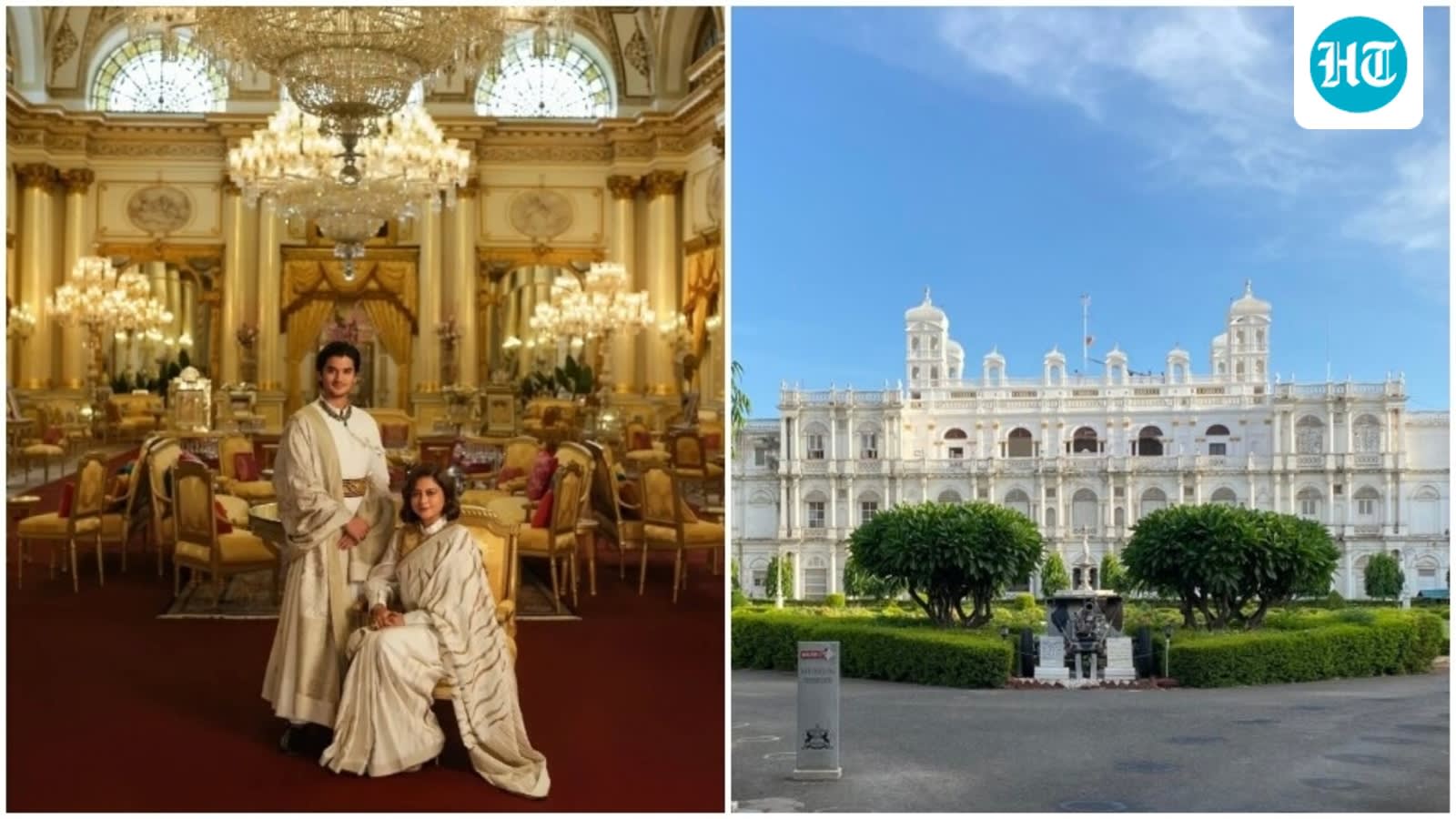
The Jai Vilas Palace in Gwalior, built in 1874, remains a symbol of Indo-European architectural grandeur. Recently showcased by the Scindia family, the estate is renowned for its vast scale and the world's largest pair of chandeliers.
The Architectural Grandeur of Jai Vilas Palace
Constructed in 1874 by Maharaja Jayajirao Scindia, the Jai Vilas Palace stands as a monumental testament to the intersection of European aesthetic sensibilities and the rich cultural heritage of the Maratha Scindia dynasty. As the seat of the former Princely State of Gwalior, the palace serves as a tangible link to India's regal past, reflecting an era where architectural ambition was a primary tool for projecting power and prestige on a global stage.
A Synthesis of Styles
The palace is celebrated for its unique architectural fusion. By integrating intricate Indian craftsmanship with European structural designs, the Scindia family created a residence that defies simple categorization. This blend is evident in its elaborate frescoes, sprawling gardens, and the meticulous preservation of historical artifacts that provide scholars and visitors alike with a glimpse into the lifestyle of one of India’s most affluent princely families.
Scale and Management
Spanning nearly 30 acres, the logistical requirements of maintaining such a vast estate are immense. Managed by a dedicated staff of approximately 400 individuals, the palace functions today as both a private residence for the erstwhile royal family and a public museum. This dual-purpose management model is crucial for the preservation of cultural heritage, ensuring that the site remains accessible to the public while maintaining its historical integrity.
The World’s Largest Chandeliers
Among the palace's most famous features are the pair of massive chandeliers housed within its halls. Recognized as the largest of their kind in the world, these fixtures are not merely decorative but serve as a hallmark of the opulence associated with the Gwalior royalty. Their presence highlights the historical trend of Indian rulers commissioning bespoke luxury items from European markets to adorn their palaces, further cementing their status in the international sociopolitical hierarchy of the 19th century.
Historical and Contemporary Significance
Recently, Maharani Priyadarshini Raje Scindia and Yuvraj Mahanaaryaman Rao Scindia provided a rare look into the palace’s interior, bridging the gap between historical legacy and contemporary relevance. By opening their doors to media outlets like Outlook Luxe, the family reinforces the palace's role as a living museum. This transparency helps in educating the public about the architectural evolution of Gwalior and the ongoing efforts to conserve these expansive monuments for future generations.
Conclusion
The Jai Vilas Palace remains a cornerstone of Indian heritage tourism. As it continues to evolve from a private royal seat to a public institution, its significance lies in its ability to balance the demands of modern management with the preservation of its historical grandeur. The ongoing stewardship by the Scindia family ensures that this architectural marvel continues to serve as an enduring symbol of Gwalior’s rich history and cultural complexity.
Verification Required?