The insider trading you're allowed to do
Source Entity
Hacker News
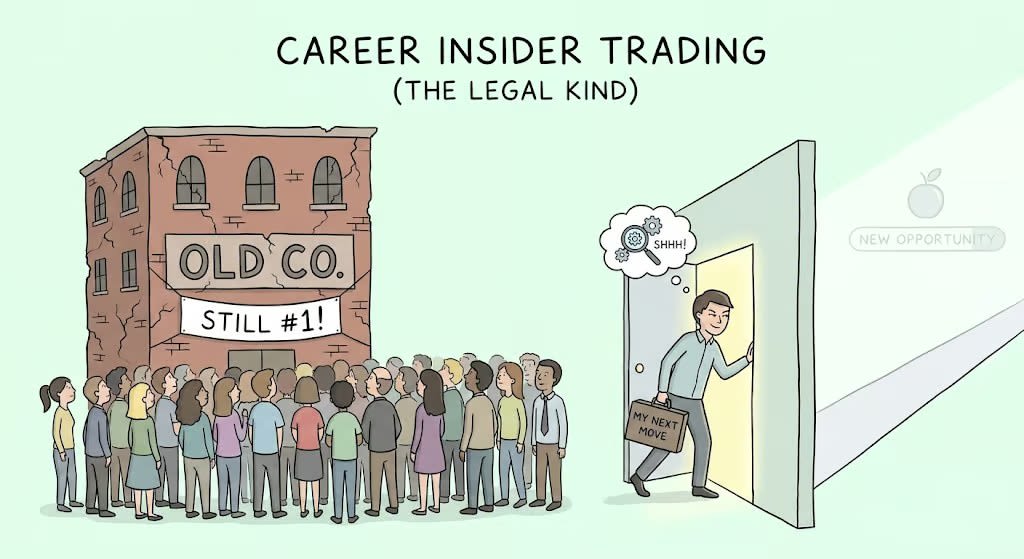
Insider trading remains strictly illegal in public markets to maintain fairness, but employees often possess 'soft' non-public insights. This creates a gray area where internal knowledge of competitive inferiority can influence personal financial behavior before the market realizes the truth.
The Hidden Frontier of Insider Knowledge
Insider trading is fundamentally prohibited in global financial markets because it undermines the core principle of a level playing field. When an individual possesses material, non-public information—such as the failure of a clinical drug trial—they hold an asymmetrical advantage that virtually guarantees profit. The regulatory framework, including the SEC in the United States and similar bodies worldwide, enforces these prohibitions with the threat of severe legal consequences, including imprisonment, to protect investor confidence and market integrity.
The Nokia Case Study: A Historical Context
To understand the nuances of non-public information, one must look at the transition period of the late 2000s. In the 1990s, Nokia was the undisputed titan of the mobile phone industry. However, upon the release of the iPhone in 2007, Nokia’s internal engineering teams quickly realized that their own hardware and software architecture were fundamentally incapable of competing with Apple’s innovation. While the public and financial analysts continued to view Nokia as an industry giant, the internal reality was one of obsolescence and impending decline.
The Gray Area of Internal Insight
This discrepancy between internal knowledge and public perception highlights a unique phenomenon. Employees often possess a deep, granular understanding of their company’s competitive trajectory long before that reality is reflected in stock prices or quarterly reports. While traditional insider trading involves acting on specific, non-public financial events, this 'soft' insider knowledge—the awareness of a product's inferiority—creates a functional advantage that mirrors the mechanics of illegal trading, despite often falling outside the strict legal definition of the term.
Implications for Market Dynamics
When a company's workforce knows that their firm is fundamentally behind a competitor, it creates a silent shift in organizational behavior and sentiment. This internal consensus acts as a precursor to market corrections. The broader implication is that markets are rarely as efficient as theory suggests, because the 'insiders'—the employees building the products—see the cracks in the foundation years before the external headlines catch up to the reality of the situation.
Future Trends and Regulatory Challenges
As technology accelerates, the gap between internal product development and public market reaction is likely to widen. Regulators face an ongoing challenge in distinguishing between legitimate professional expertise and the exploitation of proprietary information. As we look forward, the ability of companies to manage internal transparency while preventing the leakage of sensitive competitive assessments will remain a critical issue for corporate governance and market fairness.
Conclusion
Ultimately, the story of Nokia serves as a powerful reminder of how internal knowledge functions as a potent, if often quiet, factor in market movements. While the law draws a hard line against trading on specific, material financial secrets, the reality of corporate life is that employees are always privy to qualitative insights that the market has not yet priced in. Balancing this reality with the need for fair markets remains one of the most complex challenges in modern finance.