Dallas insurer paid $4,261 for floor damage; court rejects $58,150 claim
Source Entity
TOI WORLD DESK
Two recent appellate court rulings highlight the complexities of insurance claims, with one Indiana couple winning a reprieve in an arson-related dispute while Dallas homeowners lost a lawsuit over expired filing deadlines. These cases underscore the critical importance of policy compliance and strict adherence to legal timelines in property insurance disputes.
Navigating the Complexities of Insurance Litigation
Insurance contracts are designed to provide a safety net during moments of catastrophic loss, yet they often become the center of complex legal battles when claims are denied. Recent rulings from appellate courts in Indiana and Texas illustrate the divergent paths policyholders face when disputes arise between homeowners and their insurance providers. These cases highlight how technical compliance, evidentiary standards, and procedural deadlines dictate the success or failure of claims.
The Indiana Arson Dispute: Compliance vs. Good Faith
In the case of Antonne and Lisa Gose, a fire in November 2020 left their Richmond, Indiana, property in ruins. While investigators determined the fire was deliberately set, no suspect was identified, leaving the Goses in a precarious position with Indiana Farm Bureau Insurance. The insurer denied the claim, pointing to the suspected arson and the couple's refusal to grant access to specific storage-unit records. The appellate court’s decision to revive the lawsuit suggests that the lower court’s initial dismissal may have overlooked nuanced questions regarding what constitutes 'cooperation' versus an invasion of privacy, and whether the insurer acted in bad faith.
The Dallas Freeze: The Weight of Procedural Deadlines
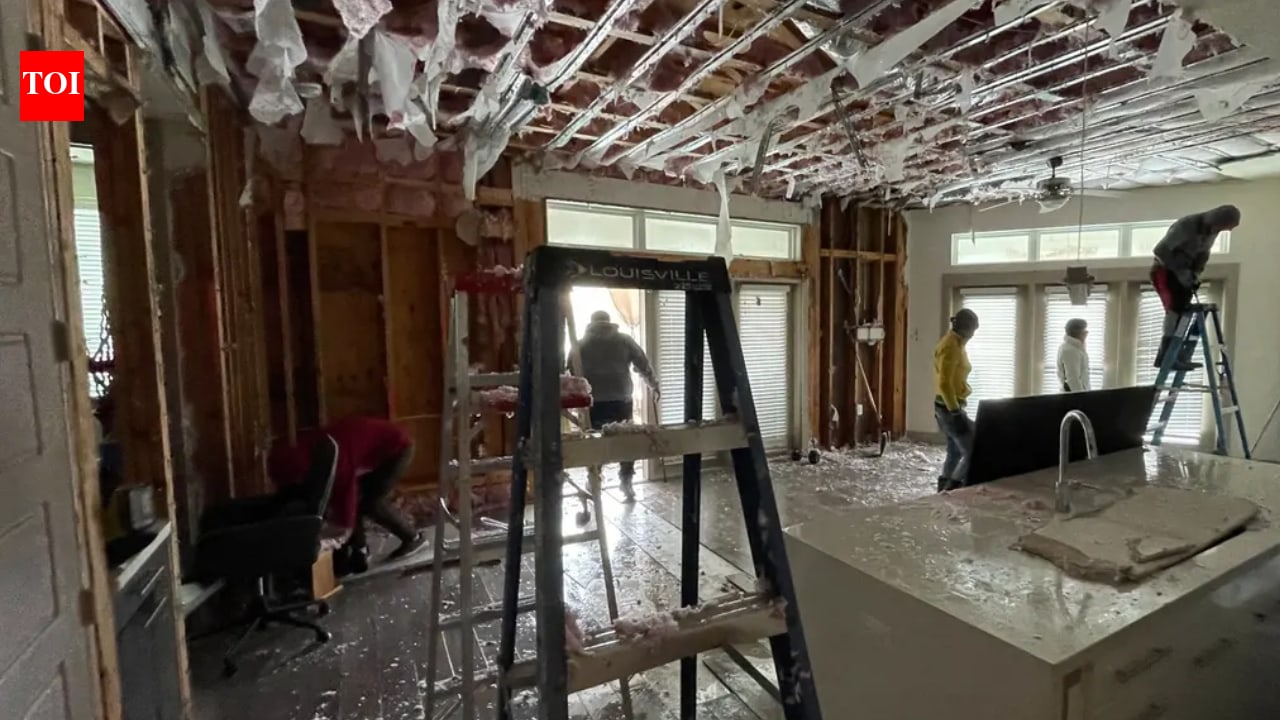
Conversely, the situation in Dallas serves as a stark reminder of the rigid nature of contractual deadlines. Following the severe winter storms of February 2021, homeowners sought over $58,000 for water damage caused by burst pipes at a neighboring property. State Farm had provided an initial payment of $4,261 but denied subsequent, larger claims. The federal appeals court ultimately ruled against the homeowners, citing that the lawsuit was filed after the policy-stipulated deadline. This decision reinforces the principle that courts will strictly enforce time-bar provisions in insurance contracts, regardless of the perceived merits of the underlying claim.
Broader Implications for Policyholders
These rulings demonstrate the dual nature of insurance litigation: the substantive battle over facts and the procedural battle over deadlines. In the Indiana case, the dispute revolves around the interpretation of policy terms and the extent to which an insurer can demand access to personal records during an arson investigation. In the Texas case, the focus is on the statute of limitations as defined within the private contract. For homeowners, these cases emphasize that insurance policies are not merely financial instruments but binding legal agreements that demand meticulous adherence to every clause.
Future Trends in Insurance Disputes
As extreme weather events become more frequent and property damage costs rise, insurance companies are increasingly scrutinizing claims for potential fraud or non-compliance. We can expect to see a continued trend of 'bad faith' litigation as policyholders challenge aggressive denial tactics. Simultaneously, insurers are likely to double down on enforcing strict filing deadlines to mitigate long-term liability. Future disputes will likely hinge on the balance between consumer protection laws and the sanctity of the insurance contract.
Conclusion
Ultimately, the outcomes for the Goses in Indiana and the homeowners in Dallas highlight the necessity of proactive legal management. Whether dealing with suspected criminal activity or large-scale weather damage, the documentation of evidence and the observance of strict filing windows remain the primary determinants of legal success. These cases serve as a cautionary tale for all property owners regarding the critical importance of understanding and complying with every detail of their insurance policies.