Intel's foundry lands first named customer under CEO Lip-Bu Tan, as Fortinet signs on for security chips
Source Entity
US Top News and Analysis
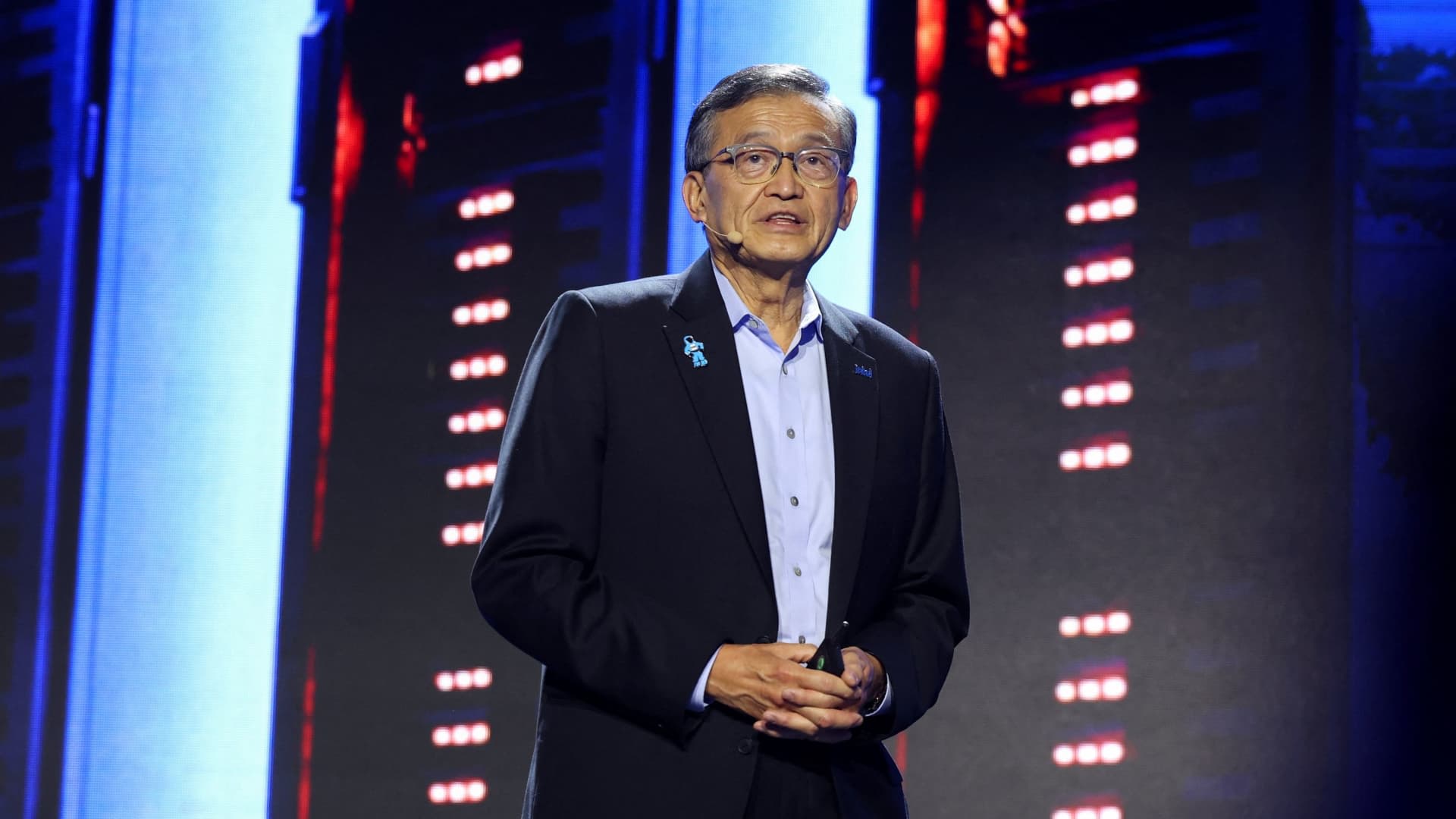
Intel has secured Fortinet as its first major foundry customer under the leadership of CEO Lip-Bu Tan. Fortinet will utilize Intel's 4 process technology to manufacture its next-generation SP6 security chips.
Intel Foundry Secures First Major Client Under CEO Lip-Bu Tan
In a pivotal development for Intel’s strategic pivot, the semiconductor giant has officially announced Fortinet as the first named corporate customer for its foundry services since CEO Lip-Bu Tan assumed leadership in March 2025. This partnership marks a significant milestone for Intel, which has been aggressively attempting to transition from a traditional integrated device manufacturer into a competitive foundry player capable of manufacturing chips for external clients.
The Technical Scope: Intel 4 Process and SP6
The collaboration will see Fortinet utilizing Intel’s 'Intel 4' manufacturing process to produce the SP6, the company’s next-generation security chip. The Intel 4 process represents a critical node in Intel’s technology roadmap, designed to offer high efficiency and performance density. By securing a cybersecurity leader like Fortinet, Intel demonstrates that its foundry capabilities are viable for specialized, high-security hardware, moving beyond its historical reliance on internal processor production.
Navigating Financial and Operational Challenges
Intel’s foundry business is currently under intense scrutiny as the company attempts to justify massive capital expenditures required for its global factory expansion. In an April filing, Intel acknowledged that it is still actively seeking a 'significant' customer for its most advanced manufacturing technologies—specifically the 14A process. While the Fortinet contract is a positive indicator of market trust, the company remains under pressure to secure higher-volume, state-of-the-art partnerships to offset the immense costs of its fabrication facilities in the U.S. and abroad.
Strategic Implications for the Foundry Model
The transition to a foundry model is essential for Intel’s long-term survival in an industry increasingly dominated by specialized chip design and outsourced manufacturing. Under Lip-Bu Tan’s leadership, the company is attempting to prove that it can serve third-party clients with the same reliability as industry incumbents like TSMC. The Fortinet deal serves as a foundational proof-of-concept that Intel can manage external client requirements effectively.
Future Trends and Market Outlook
Looking ahead, Intel’s success will hinge on its ability to scale its foundry operations to accommodate larger, more complex design wins. While the Intel 4 node is an important step, the future viability of the business segment rests on the adoption of the 14A process. Investors and analysts will be watching closely to see if this partnership with Fortinet acts as a catalyst for larger tech conglomerates to entrust Intel with their most advanced chip architectures in the coming fiscal years.