Electric air taxis go to war
Source Entity
Andrew J. Hawkins
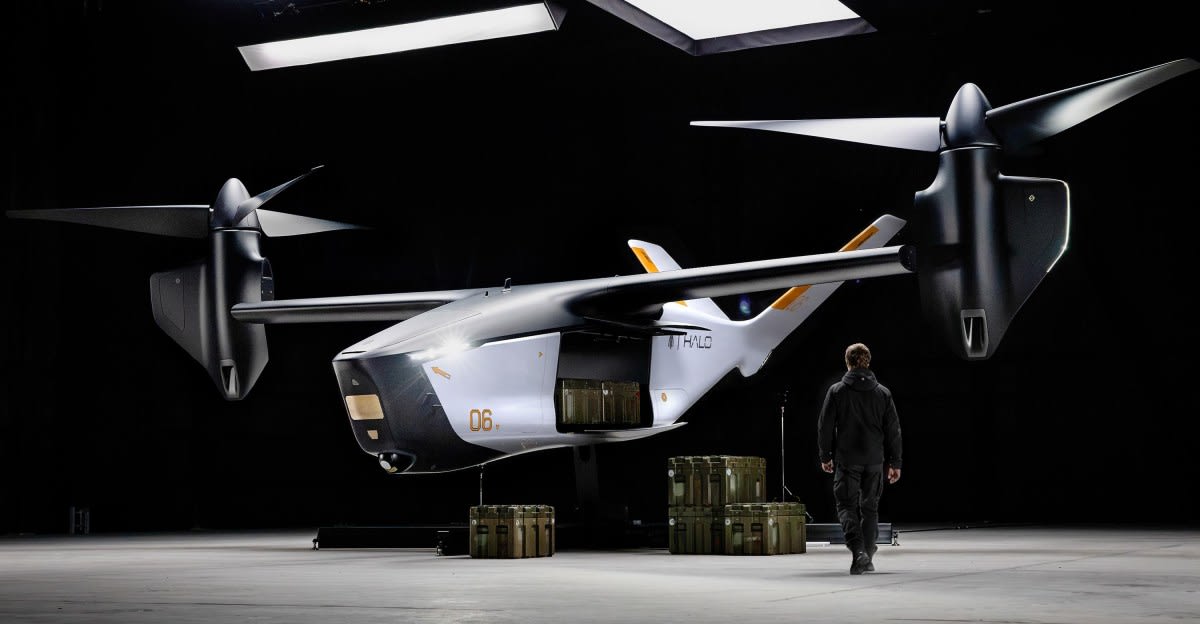
Archer Aviation and Anduril have unveiled 'Thunder,' a new autonomous eVTOL aircraft designed for both military and commercial defense applications. This strategic partnership aims to broaden the utility of electric aviation beyond urban air taxi services, driving significant market interest.
The Convergence of eVTOL and Defense Technology
Electric aviation, once viewed strictly as a solution for urban congestion and sustainable passenger transport, is undergoing a significant strategic pivot. The recent unveiling of the 'Thunder' aircraft by San Jose-based Archer Aviation and defense tech firm Anduril marks a pivotal moment where commercial eVTOL (electric vertical takeoff and landing) innovation intersects with military operational requirements. By leveraging Archer’s expertise in electric flight and Anduril’s defense-oriented systems, the companies are moving beyond the standard air taxi model to address the needs of modern, autonomous defense operations.
Designing the Future of Autonomous Defense
The Thunder aircraft represents a unique architectural hybrid, drawing visual and functional inspiration from Archer’s Midnight air taxi while incorporating the rugged, high-stakes versatility of established military platforms like the V-22 Osprey. Designed to function as an autonomous support craft for crewed helicopters and fixed-wing aircraft, Thunder is engineered to operate in environments where agility and vertical takeoff capabilities are paramount. This move signifies that the underlying technology powering the next generation of air taxis is sufficiently mature to be adapted for reconnaissance, logistics, and tactical support.
Strategic Partnerships and Market Impact
The collaboration between Archer and Anduril, which first initiated in 2024, highlights a growing trend of cross-sector partnerships. Archer, which has been under the spotlight for its ambitious goal of achieving FAA certification for its commercial air taxis in time for the 2028 Los Angeles Olympics, is now diversifying its risk profile. By securing a foothold in the defense sector, the company is not only opening a new revenue stream but also validating its proprietary electric propulsion and flight control systems under the rigorous scrutiny of military standards.
Financial and Operational Trajectory
Market response to the announcement was swift, with Archer Aviation shares rallying more than 20% following the unveiling at the Farnborough Air Show. This investor enthusiasm reflects a broader recognition that the path to profitability for eVTOL startups may lie in dual-use applications. While Archer CEO Adam Goldstein maintains that the 2028 commercial deadline remains a primary focus, the Thunder platform provides a tangible asset that functions independently of the complex and lengthy FAA certification process required for public passenger flight.
Future Trends in Electric Aviation
Looking ahead, the integration of autonomous electric craft into defense arsenals suggests that the future of aviation will be increasingly decentralized and automated. If the Thunder platform proves successful, we can expect other eVTOL manufacturers to pursue similar defense contracts to sustain their operations during the high-burn phase of commercial development. This trend ensures that the infrastructure, battery technology, and software developed for urban air mobility will have a robust secondary market, potentially accelerating the overall pace of electric aviation adoption globally.