We're Squandering LEDs' Potential to Save Our Night Skies
Source Entity
Hacker News
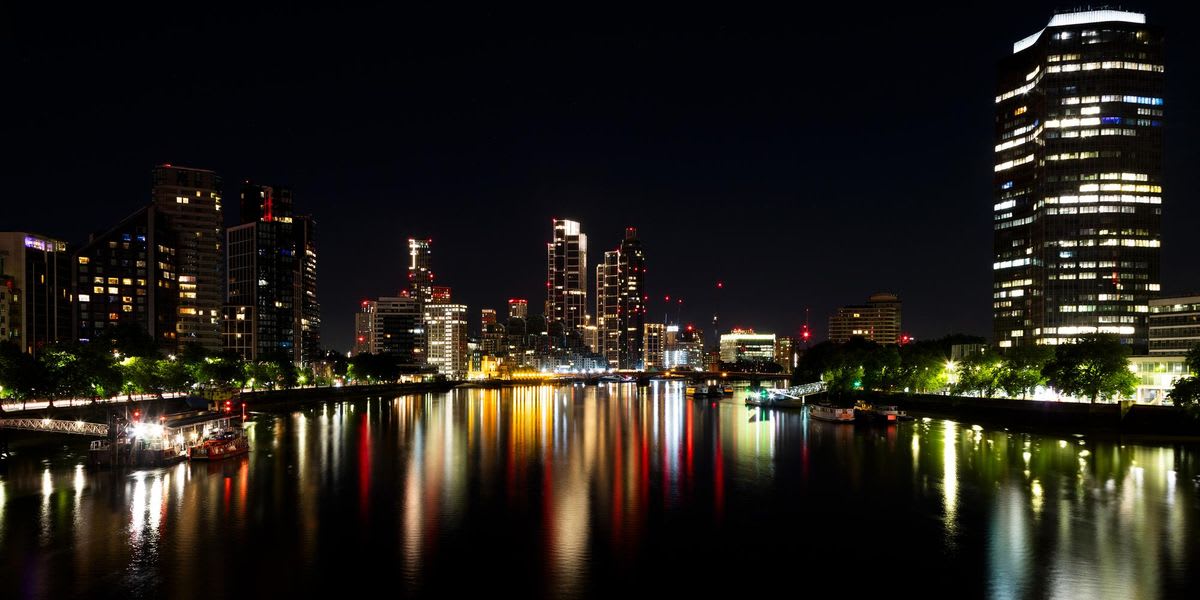
The rapid adoption of LED lighting has revolutionized urban visibility but threatens to permanently degrade our night skies. Experts are now calling for a reevaluation of how we manage artificial light to mitigate light pollution in historical and public spaces.
The Silent Erosion of Our Night Skies
The transition to light-emitting diodes (LEDs) was initially hailed as a triumph of modern engineering and sustainability. By drastically reducing energy consumption compared to traditional incandescent or sodium-vapor lamps, LEDs promised to shrink the carbon footprint of global cities. However, as demonstrated by recent field observations in iconic locations like London’s Trafalgar Square, this technological shift has introduced a complex environmental challenge: the mismanagement of artificial light at night, commonly referred to as light pollution.
The Historical Context of Urban Illumination
London’s Trafalgar Square, which dates back to its 13th-century origins as the Royal Mews, serves as a poignant backdrop for this discussion. Over centuries, the site has evolved from a royal facility for hawks and horses into a global urban landmark. The introduction of modern lighting, specifically high-intensity LEDs, represents the latest layer of this history. While illumination is essential for public safety and aesthetic presentation, the current trend of over-lighting is fundamentally altering the character of such historic environments.
Quantifying the Intrusion
Fieldwork conducted by lighting professionals, such as designer Simon Thorp, highlights the discrepancy between necessary visibility and excessive glare. Using a light meter to capture readings—such as the two lux recorded at the base of Nelson’s Column—experts are beginning to map the footprint of light trespass. This data is critical, as it confirms that the efficiency of LEDs has led to a 'rebound effect,' where the lower cost of operation encourages municipalities to install more lights, often at higher intensities, rather than simply reducing energy usage.
Broader Environmental and Social Implications
Beyond the aesthetic loss of the starry sky, the pervasive reach of LED light intrusion has significant biological and psychological consequences. Nocturnal ecosystems, which have relied on natural light cycles for millennia, are being disrupted by the blue-rich spectrum of many standard LEDs. This light pollution interferes with the migratory patterns of birds, the behavior of nocturnal insects, and even human circadian rhythms, suggesting that our current lighting strategies are not as sustainable as they appear on the surface.
Future Trends and Policy Shifts
As we look toward the future, the challenge lies in shifting the paradigm from 'more light is better' to 'smarter light is essential.' Experts are advocating for the implementation of directional shielding, motion-activated dimming, and warmer color temperatures to minimize the environmental impact. The goal is to preserve the utility of urban spaces while reclaiming the darkness necessary for both ecological health and the preservation of our cultural connection to the night sky.
Conclusion
While LEDs remain a powerful tool for energy conservation, their potential is currently being squandered through poor design and excessive application. By integrating precision lighting design into urban planning, cities can honor their historical sites like Trafalgar Square while ensuring that the transition to modern technology does not come at the cost of our natural heritage.