‘It’s total devastation’: inside the Amazonian war against illegal gold mining
Source Entity
Tom Phillips in the Sararé Indigenous territory
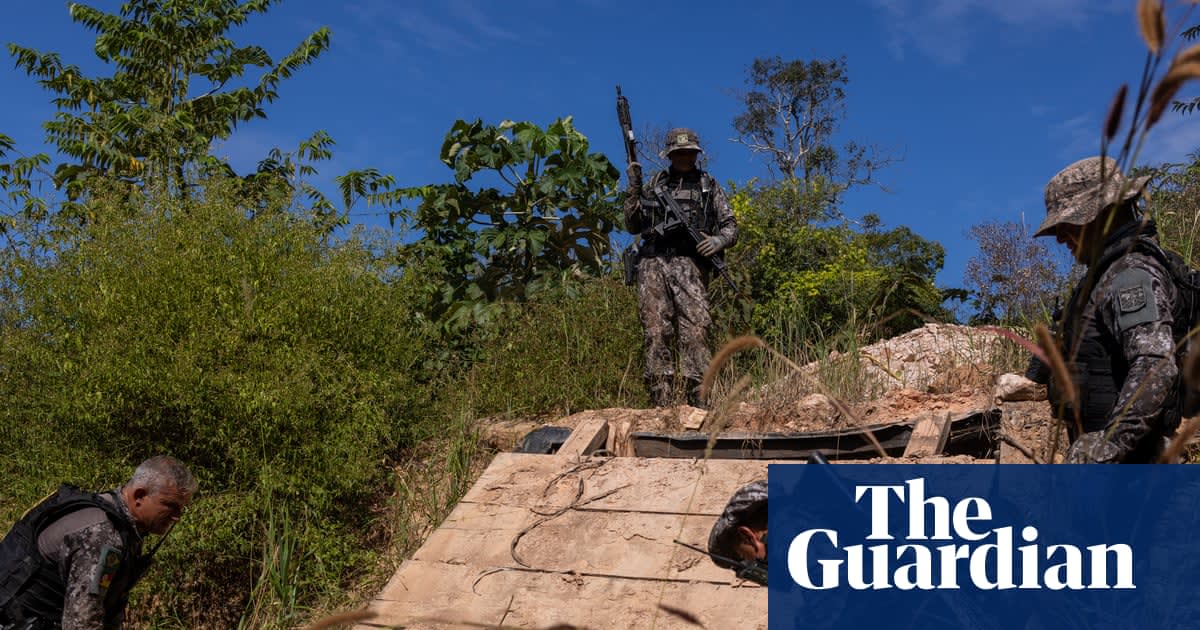
Illegal gold mining in Brazil's Indigenous territories has caused severe environmental destruction and social degradation. Recent enforcement actions have begun dismantling these illicit settlements to protect vulnerable communities.
The Environmental and Social Ruin of Vila Cururu
The illicit gold mining settlement of Vila Cururu stands as a stark testament to the ongoing exploitation of Brazil’s protected Indigenous lands. For years, this settlement functioned as a hub for criminal activity, characterized by illegal resource extraction and the exploitation of vulnerable individuals. The site was not merely a mining camp; it served as a center for depravity, where prospectors engaged in illicit commerce and human exploitation, fundamentally altering the social fabric of the surrounding region.
The Mechanics of Ecological Devastation
The methods employed by these miners are inherently destructive to the delicate Amazonian ecosystem. Utilizing pickaxes, heavy machinery, and explosives, these intruders have systematically burrowed into the hillsides and savannas. This process does not just extract gold; it leaves behind a scarred landscape, stripped of its biodiversity and natural integrity. As Indigenous leader Jackson Katitãurlu of the Nambiquara people noted, the miners have effectively "wiped out everything," causing irreparable damage to the environment that his people have stewarded for generations.
Social Degradation and Human Exploitation
Beyond the environmental impact, the presence of illegal mining settlements like Vila Cururu brings profound social hazards. The existence of makeshift brothels and the normalization of exploitative labor practices highlight the darker side of the gold rush economy. These settlements operate outside the reach of the law, fostering environments where human trafficking and substance abuse thrive, further marginalizing the Indigenous populations who live in the vicinity and suffer the direct consequences of this unchecked influx.
The Shift in Enforcement and Sovereignty
The recent destruction of the bordello at Vila Cururu signals a pivotal shift in the effort to reclaim Indigenous territories from illegal miners. For years, these encampments flourished with impunity, but recent operations suggest a more aggressive stance by authorities to dismantle the infrastructure that supports illegal mining. This pushback is essential for reasserting the sovereignty of Indigenous lands and protecting the Nambiquara people from further encroachment and cultural erasure.
Future Trends and Challenges
Looking ahead, the challenge remains significant. While the physical destruction of mining infrastructure is a necessary first step, long-term success depends on consistent monitoring and the prevention of re-occupation. The struggle against illegal gold mining is not just a localized conflict; it is a broader battle for the preservation of the Amazon rainforest—a vital global carbon sink. If authorities can maintain this momentum, there is hope for the restoration of these lands, though the scars left by explosives and industrial extraction may take decades to heal. The future of the Nambiquara territory depends on sustained political will to keep these intruders at bay permanently.