Intel foundry push faces critical test after stock's 45% plunge in October
Source Entity
US Top News and Analysis
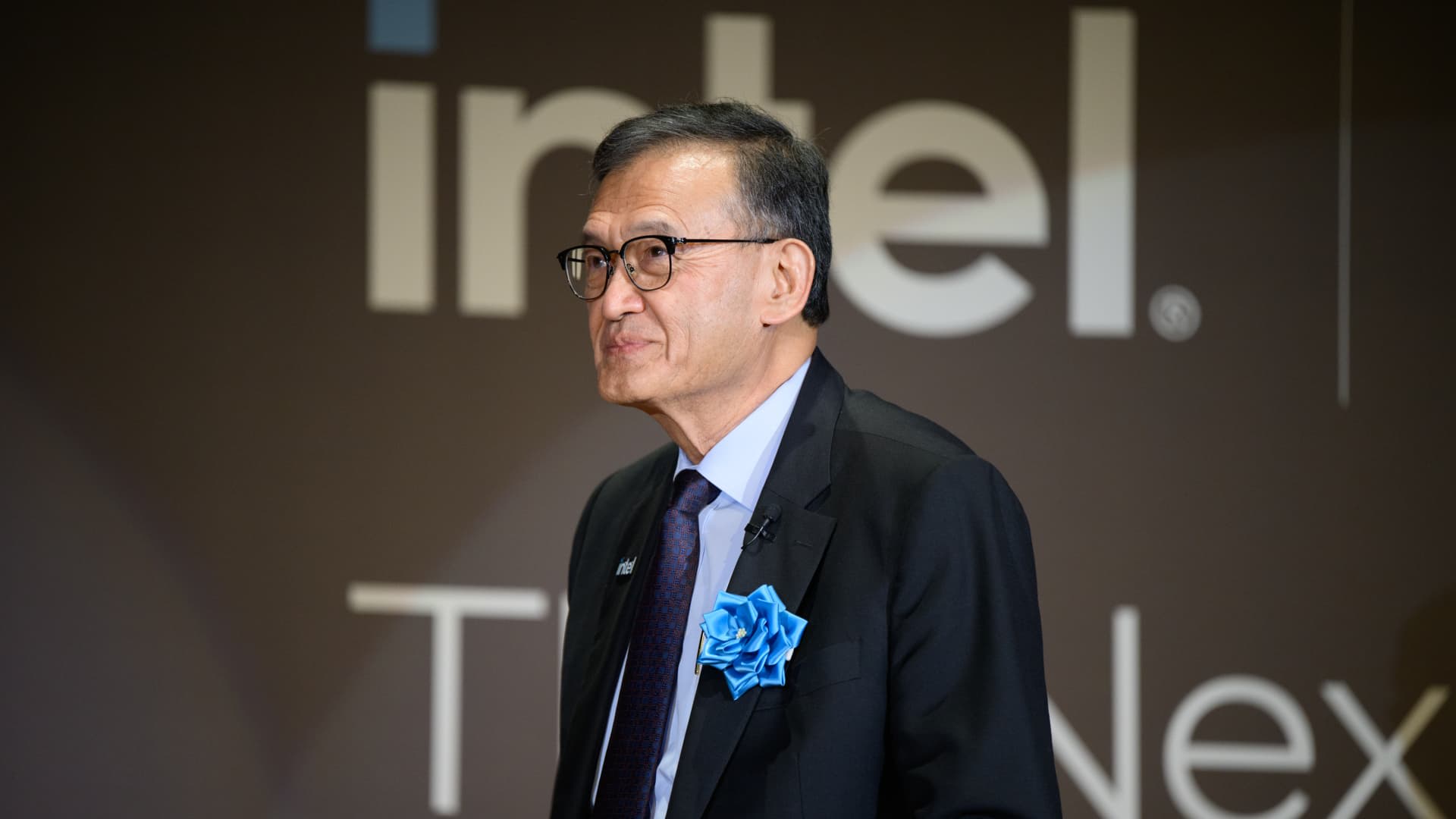
Intel is under immense pressure to prove its foundry strategy after a record-breaking stock decline. The company must now secure marquee customers to compete with TSMC and justify its massive capital expenditure.
The Crucible for Intel’s Future
Intel Corporation is currently navigating the most precarious period in its storied history. Following a staggering 45% stock plunge in October—the company's most significant decline since the 1970s—the narrative surrounding the chipmaker has shifted from one of industry dominance to one of survival. The primary catalyst for this instability is a weakening global PC market, which has exposed the fragility of Intel’s traditional revenue streams and highlighted the urgent necessity of its pivot toward a foundry-based business model.
The Foundry Strategy Under Siege
For the past five years, Intel has aggressively pursued a strategy to transform into a contract manufacturer, effectively attempting to challenge the supremacy of the Taiwan Semiconductor Manufacturing Company (TSMC). This transition has been incredibly capital-intensive, with Intel allocating a substantial portion of its $108 billion in capital expenditures toward expanding fab capacity. Despite this massive investment, the company has yet to secure a 'marquee' customer for its most advanced processes, leaving its foundry business largely reliant on manufacturing internal products rather than serving the broader market.
The Erosion of Investor Confidence
Wall Street’s patience has reached an inflection point. The market’s reaction is not merely a response to quarterly volatility but a profound skepticism regarding Intel’s execution capabilities. Investors are scrutinizing whether the company can successfully transition from being a vertically integrated designer and manufacturer to a competitive foundry provider. The lack of external adoption for their advanced nodes suggests a gap between Intel’s technological ambitions and its ability to meet the rigorous demands of fabless chip designers.
Government Intervention and Oversight
The stakes were further heightened in August when the United States government acquired a 10% stake in the company. This move underscores the strategic importance of Intel to national security and domestic semiconductor self-sufficiency. However, this involvement adds a layer of political complexity, as the company must now balance the expectations of public shareholders with the strategic mandates of the U.S. government, all while attempting to rectify its operational shortcomings.
Future Outlook and Strategic Imperatives
Looking ahead, Intel’s path to recovery is narrow. The company must demonstrate tangible progress in its foundry operations to regain the trust of the financial markets and potential external clients. Success will likely depend on the company's ability to optimize its manufacturing yield and prove that its advanced processes can compete on performance and cost with TSMC. If Intel fails to attract significant external volume, the financial burden of its foundry ambitions may continue to weigh heavily on its valuation, forcing a potential reassessment of its long-term corporate structure.